Array
(
[SERVER_SOFTWARE] => nginx
[REQUEST_URI] => /engage-with-us/student-engagement/student-funding-internship/cohort-2025/
[USER] => fpm200111
[HOME] => /home/fpm200111
[WPENGINE_ACCOUNT] => harvardhealth
[WPENGINE_PHPSESSIONS] => on
[WPENGINE_DB_SESSIONS] => off
[DOCUMENT_URI] => /index.php
[HTTP_X_WORDPRESS_TYPE] => DEFAULT
[HTTP_USER_AGENT] => Mozilla/5.0 AppleWebKit/537.36 (KHTML, like Gecko; compatible; ClaudeBot/1.0; +claudebot@anthropic.com)
[HTTP_CF_RAY] => 9b05c0cee8d018aa-CMH
[HTTP_X_WPE_INSTALL_NAME] => harvardhealth
[REDIRECT_STATUS] => 200
[REMOTE_PORT] =>
[HTTP_X_WPE_EDGE] => AN
[HTTP_CF_VISITOR] => {\"scheme\":\"https\"}
[HTTP_VIA] => 1.1 pod-403756 (Varnish/7.7)
[HTTP_HOST] => globalhealth.harvard.edu
[HTTP_CF_IPCOUNTRY] => US
[HTTP_X_FORWARDED_HOST] => globalhealth.harvard.edu
[HTTP_ACCEPT_ENCODING] => gzip
[HTTP_CDN_LOOP] => cloudflare; loops=1
[PATH_TRANSLATED] => /nas/content/live/harvardhealth/index.php
[QUERY_STRING] =>
[GATEWAY_INTERFACE] => CGI/1.1
[HTTP_CF_CONNECTING_IP] => 216.73.216.31, 216.73.216.31, 216.73.216.31
[HTTP_X_WPENGINE_PHP_VERSION] => 8.2
[HTTP_X_CACHE_GROUP] => normal
[HTTP_RAWHOST] => globalhealth.harvard.edu
[HTTP_X_UA_ORIGINAL] => Mozilla/5.0 AppleWebKit/537.36 (KHTML, like Gecko; compatible; ClaudeBot/1.0; +claudebot@anthropic.com)
[HTTP_X_WPE_SSL] => 1
[REMOTE_ADDR] => 216.73.216.31
[SERVER_PORT] => 80
[HTTP_X_IS_BOT] => 1
[PHP_ADMIN_VALUE] => newrelic.appname=harvardhealth;
newrelic.browser_monitoring.auto_instrument=off;
newrelic.enabled=off;
newrelic.license=;
sendmail_path=/bin/sendmail-wrapper.sh 79e309318abe46fb70c4b52b782c479d04ddf08b /usr/sbin/sendmail -t -i;
syslog.ident=phperr-harvardhealth;
[SERVER_NAME] => globalhealth.harvard.edu
[SERVER_PROTOCOL] => HTTP/1.1
[REQUEST_METHOD] => GET
[IS_WPE] => 1
[SERVER_ADDR] => 127.0.0.1
[HTTP_X_WPE_LOCAL_SSL] => 1
[HTTP_X_WPE_REQUEST_ID] => edd92dd5cd973c3c69ec46a0c33485d7
[HTTP_ACCEPT] => */*
[HTTP_X_FORWARDED_PROTO] => https
[PHP_VALUE] => post_max_size=100M;
upload_max_filesize=50M;
[DOCUMENT_ROOT] => /nas/content/live/harvardhealth
[HTTPS] => on
[HTTP_WPE_READONLY] => on
[PATH_INFO] =>
[SCRIPT_NAME] => /index.php
[SCRIPT_FILENAME] => /nas/content/live/harvardhealth/index.php
[CONTENT_LENGTH] => 0
[CONTENT_TYPE] =>
[REQUEST_SCHEME] => http
[HTTP_X_REAL_IP_REMOTE] => 104.23.197.111
[HTTP_REFERER] => https://globalhealth.harvard.edu/?p=9315
[SYSLOG_IDENT] => phperr-harvardhealth
[FCGI_ROLE] => RESPONDER
[PHP_SELF] => /index.php
[REQUEST_TIME_FLOAT] => 1766135283.06
[REQUEST_TIME] => 1766135283
)
Photo Blog
Explore photos and stories from the 2025 HGHI Summer Global Health Interns. This gallery showcases the experiences and contributions as interns engage in public health efforts around the globe.
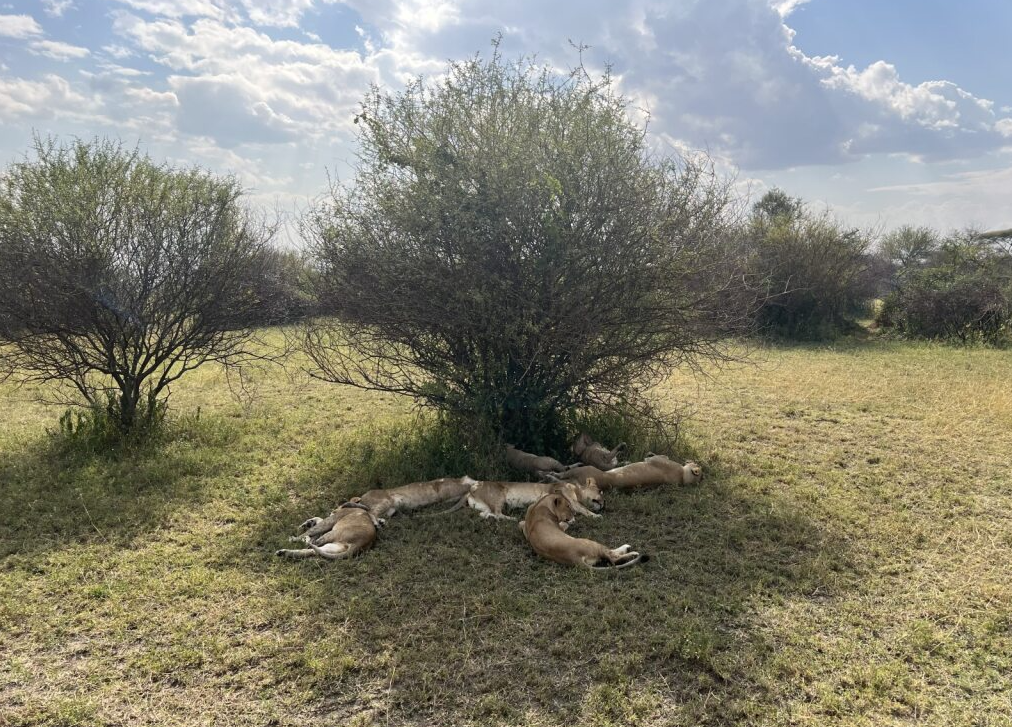
A group of three interns and I went on a trip to the iconic Serengeti National Park and Ngorongoro Crater. This is a picture of a group of lions lounging around and escaping the intense midday sun. This was the trip of a lifetime! – Suheila Mukhtar
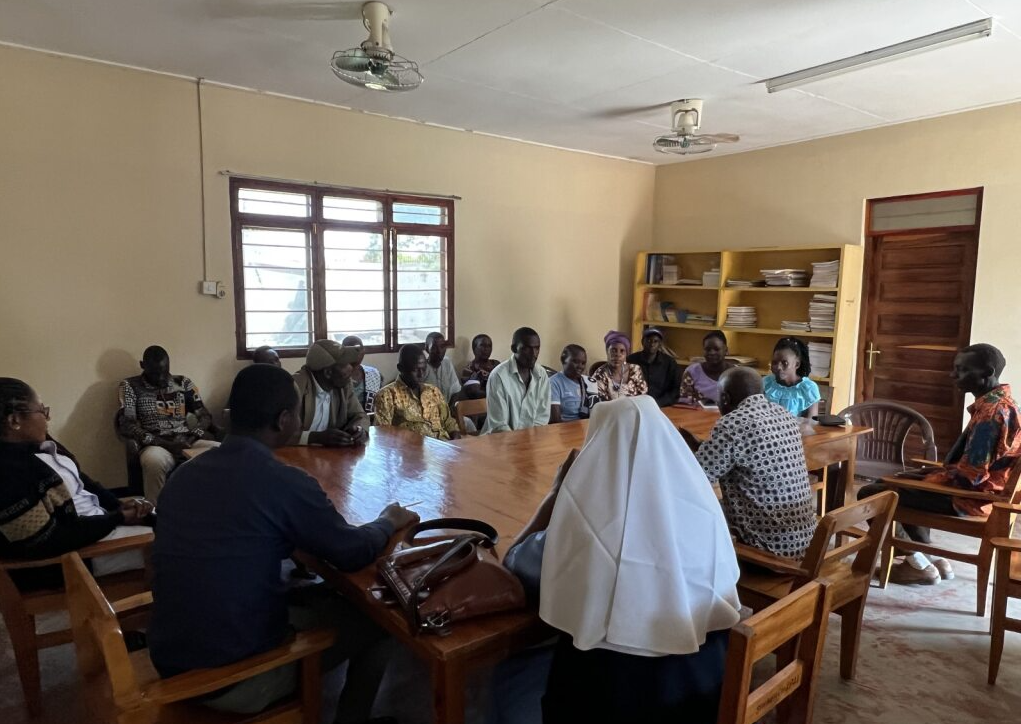
In the picture, we are gathered at Sumve Hospital with the Medical Officer in Charge and Community Health Workers for a briefing on how this service will run. – Suheila Mukhtar
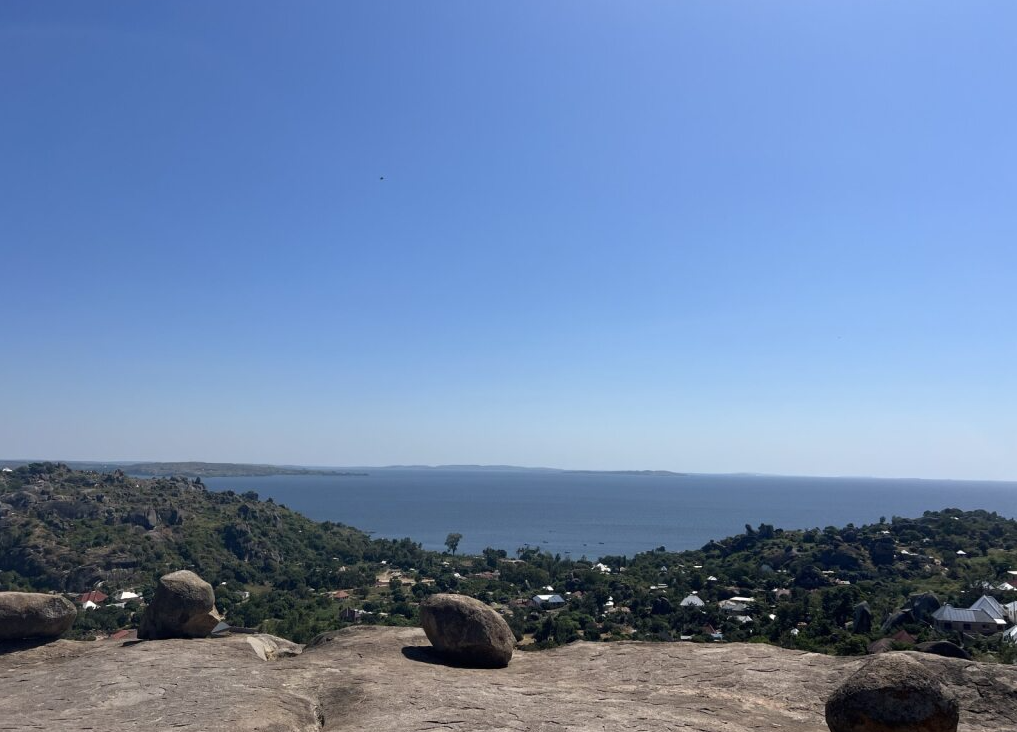
The views in Mwanza are absolutely gorgeous. This picture was taken at a lookout point called Dancing Rocks, where you can see Lake Victoria. Mwanza, often called Rock City, lives up to its name with stunning rock formations that dot the landscape. – Suheila Mukhtar

This photo was taken during one of our weekend trips to the Makadikadi salt pans in northwestern Botswana. As we watched the sunset, I brushed aside the salt on the ground, revealing a layer of malleable clay that I shaped into a heart. To me, this photo symbolizes the ability of research to peel back and discover what lies beneath the surface to reveal deeper connections and knowledge that we are able to shape, with our own hands, into something even more beautiful, ultimately touching human lives and hearts. – Sophia Lichterfield
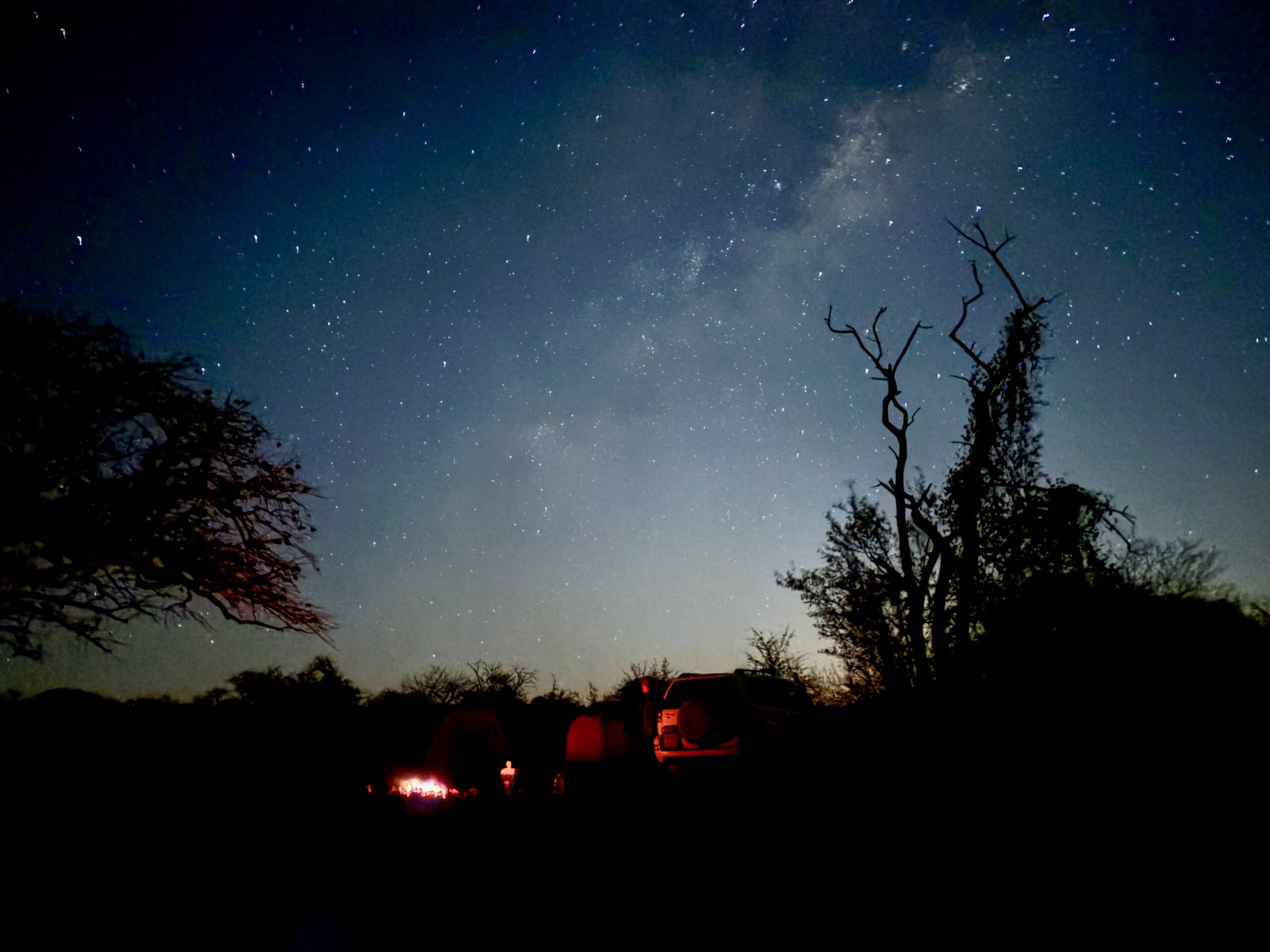
This photo was taken of our campsite at night during one of our weekend trips to the Makgadikgadi salt pans. We slept under the vast expanse of the Milky Way stretched out above us and watched the moon rise from the horizon to the middle of the sky. It was beneath these stars that I was deeply humbled and reminded of the value of curiosity and the profound wonder that the natural world around us evokes constantly. – Sophia Lichterfield

This photo is from the massive sand dunes along the ocean in Namibia during one of our weekend trips. Taking my first view from the top of the dunes, the glistening water, gorgeous dunes, and isolated footsteps along the ridge really caught my eye. To me, being on the sand dunes opened an entire world for me, with the footsteps demonstrating the value of forging one’s own path in research and embracing the spirit of discovery and curiosity rather than unquestioningly conforming to existing conventions and ideas. – Sophia Lichterfield
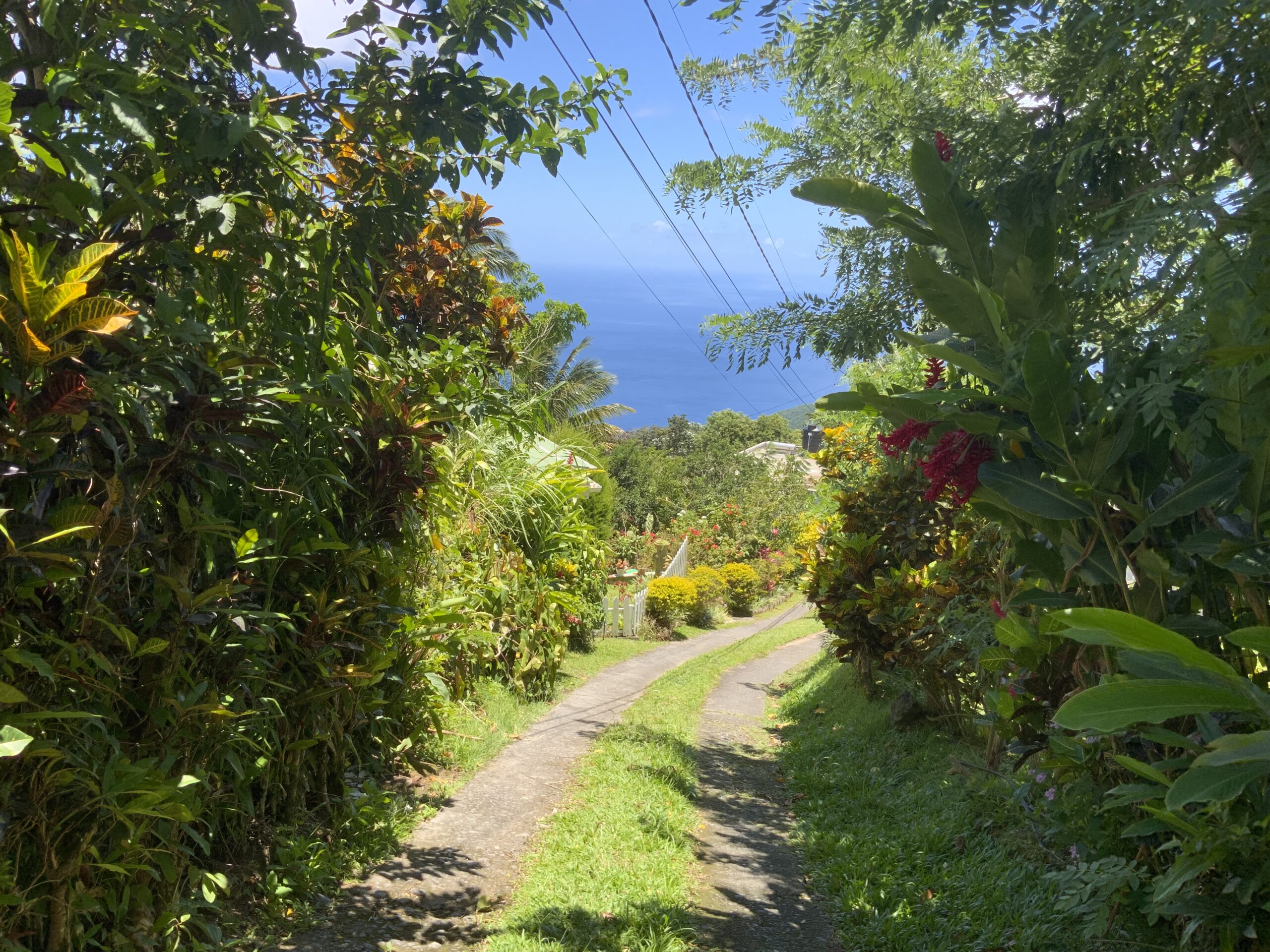
This photo was taken during a data collection trip to a remote neighborhood of Canefield, Dominica. Nicknamed the Nature Island, Dominicans take pride in the natural beauty of their country, as lush surroundings are never far from ocean views. Committed to becoming the world’s first climate-resilient country, I have sadly uncovered a plethora of shortcomings to this promise. – Isabella John
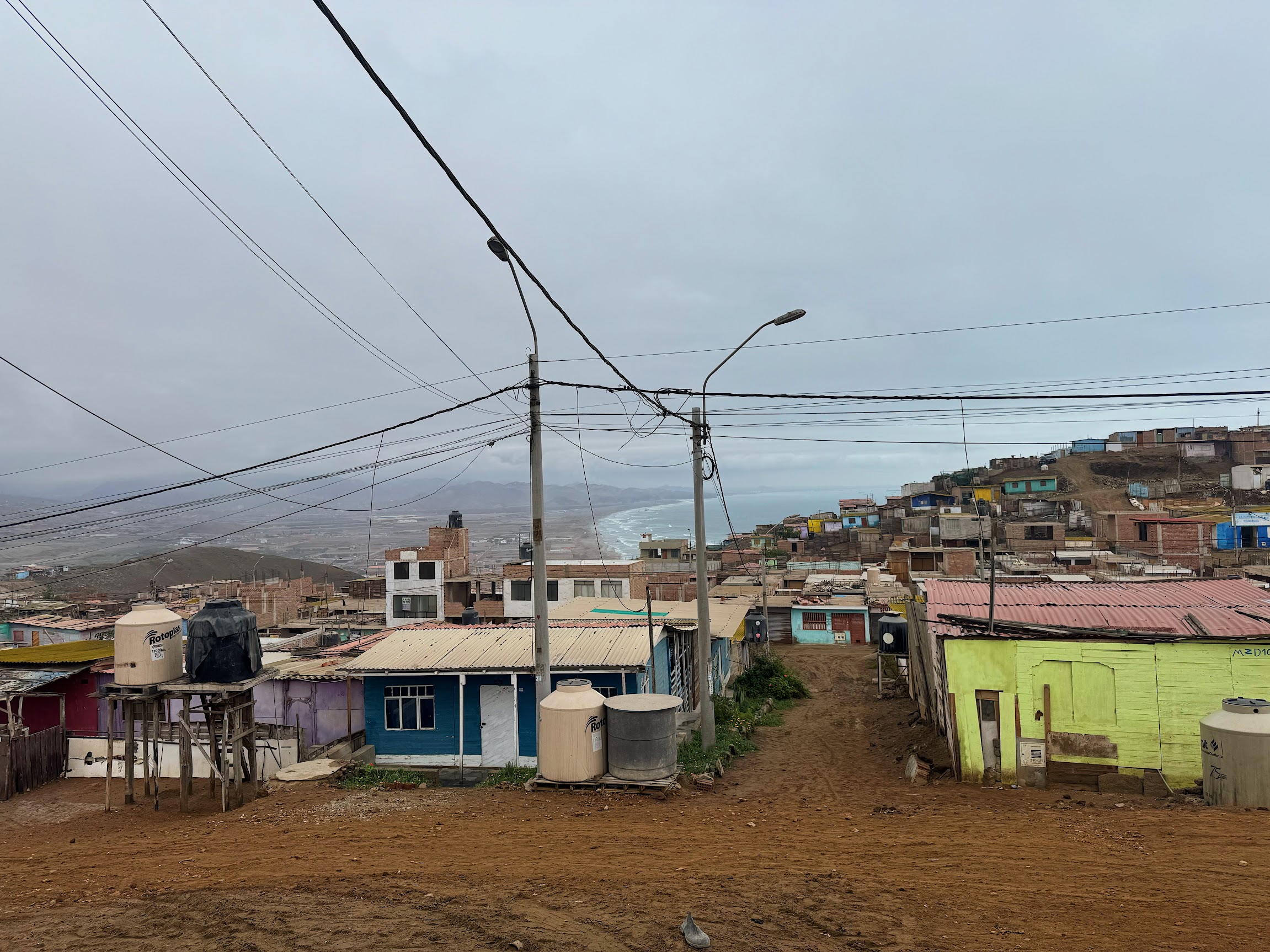
This photo was taken in Ventanilla, the region where the CASITA project runs. I took this picture while we were commuting from one house to the next, something that we do regularly as we join in on house visits to check on children’s development, simultaneously interviewing parents about their perspectives on gender and fatherhood. Ventanilla has become an important community to me, and this was a particularly clear day, rare in Peruvian coastal winter, where we could see all the way down to the coast. – Arya Prasad
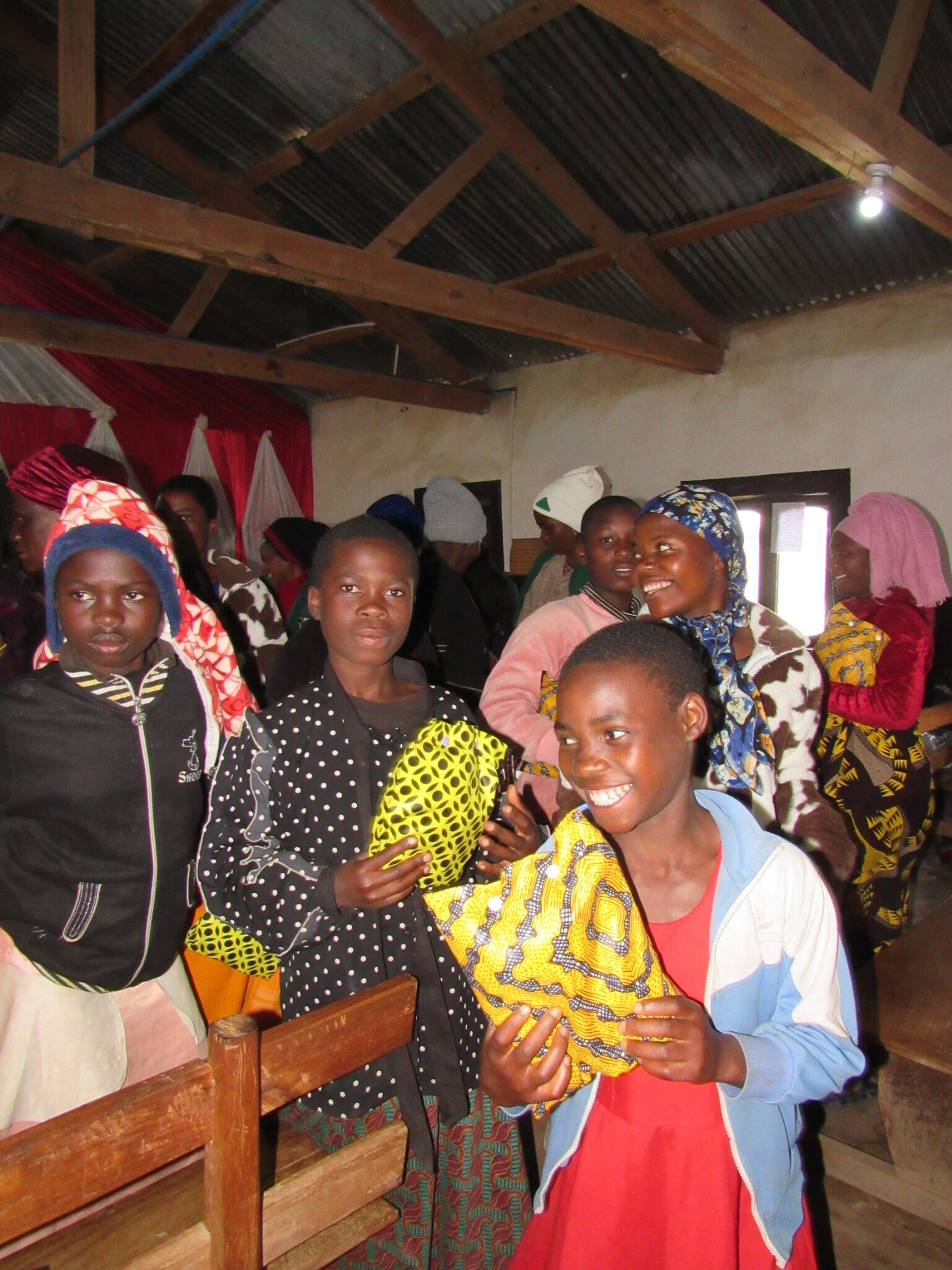
This photo was taken during a presentation we gave at a school in rural Tanzania, about four hours from Iringa. It shows young girls proudly holding the free menstrual kits provided by Dignity for Daughters, the organization where I’m currently interning. After receiving a comprehensive presentation on sexual and reproductive health, each student is given one of these kits. In Tanzania, more than one in four girls becomes a mother before the age of 18. Through education, access to menstrual products, and open dialogue, Dignity for Daughters aims to break this cycle—empowering girls to stay in school, delay early motherhood, and take control of their futures. – Elizabeth DaCunha
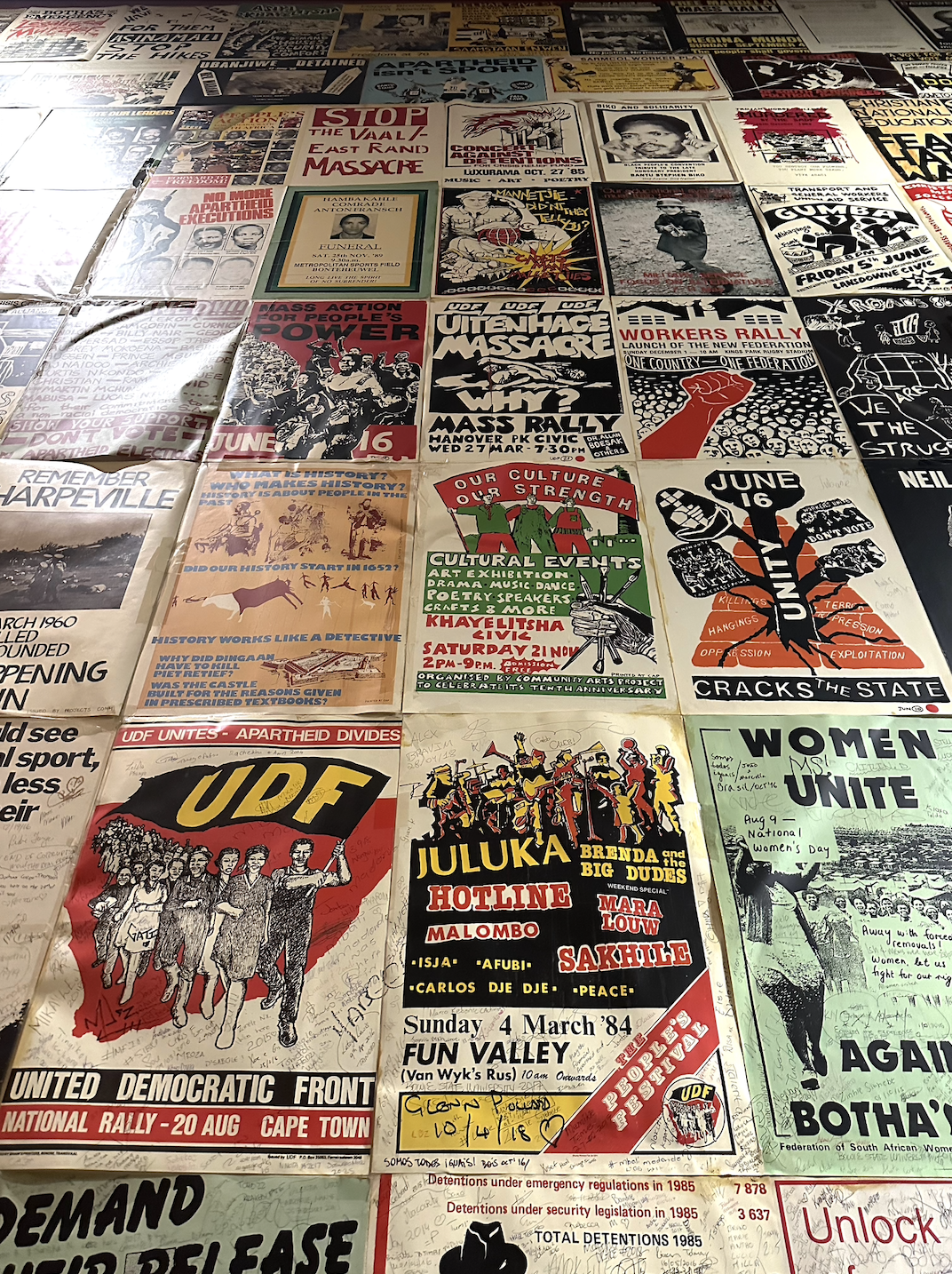
Historical protest posters at the Apartheid Museum in Johannesburg. This site documents the history of apartheid in South Africa and commemorates the leaders of solidarity movements against state segregation. Visiting this museum was an educational experience incredibly important to my time in the country. – Emma Lu
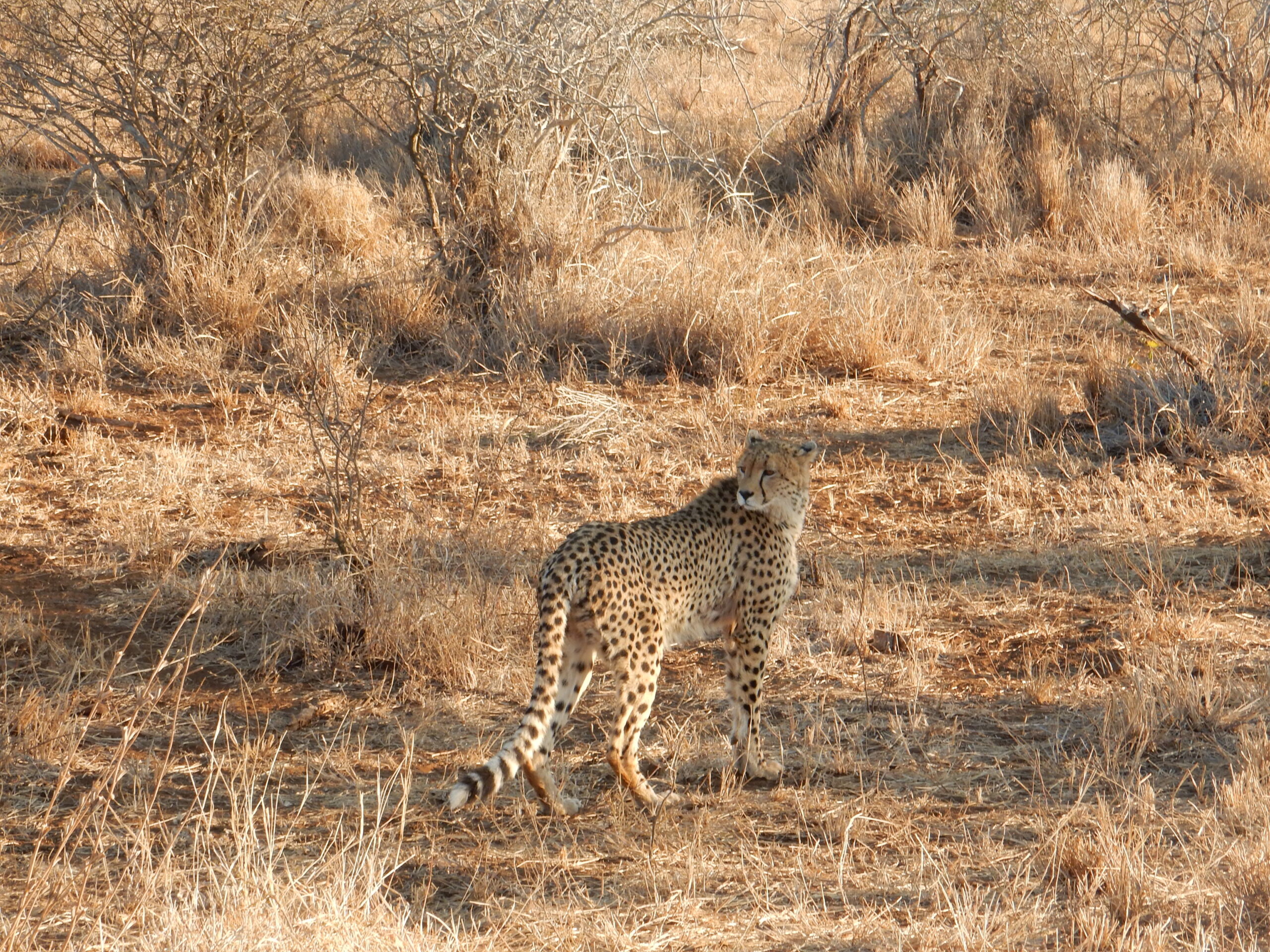
Cheetah spotted on the roadside at Kruger National Park, one of Africa’s largest reserves. As an endangered species (numbering only to around 400 in the entire national park), we were awestruck to be able to witness one with our own eyes. This experience illustrated for me the importance of ongoing wildlife conservation efforts and to critically consider our manmade impact on our surrounding ecosystems. – Emma Lu
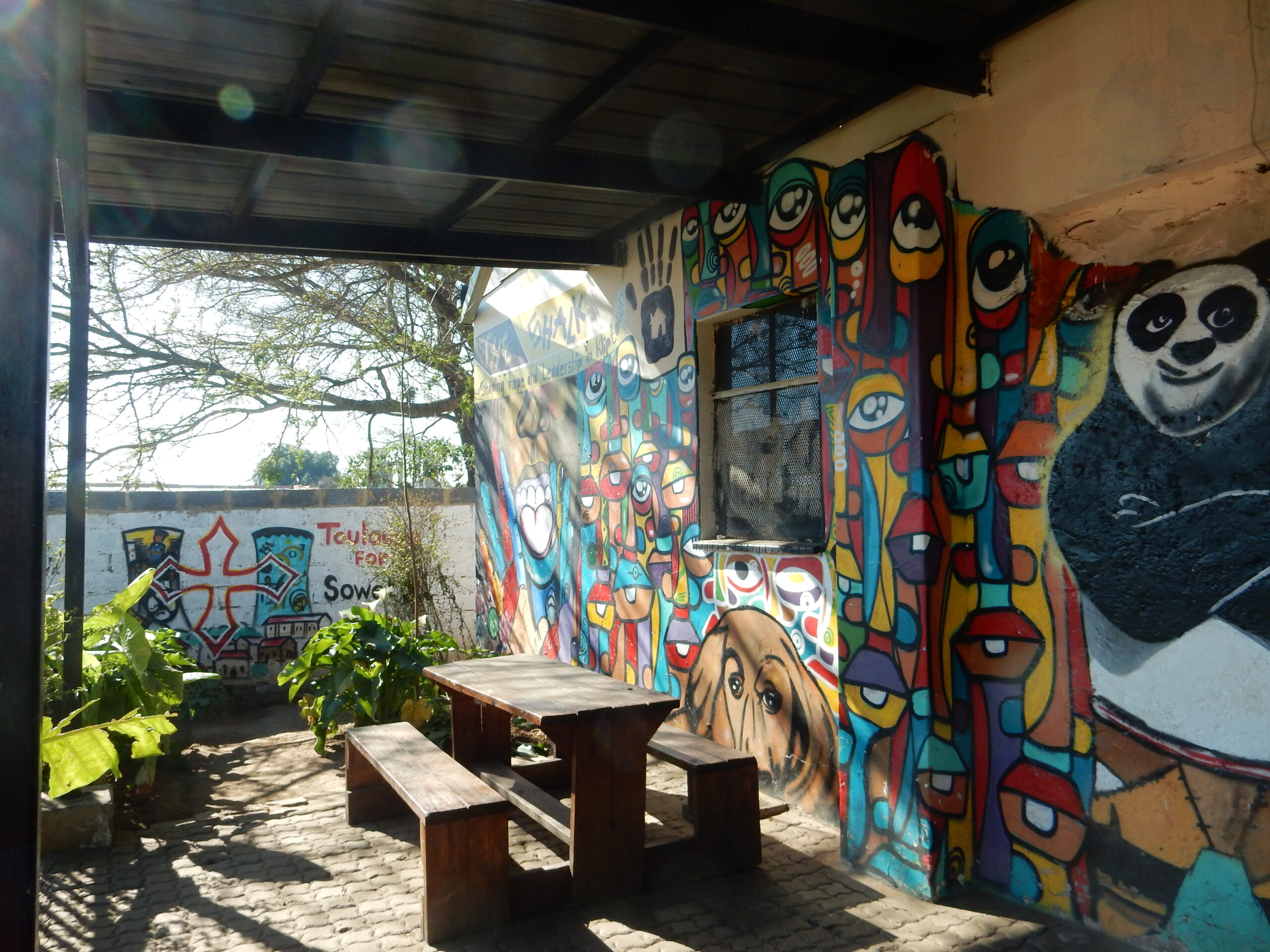
Exterior of the community center, SHALK, in Kliptown — one of the oldest residential areas of the former Black township, Soweto. The nonprofit provides afterschool programming for students as part of efforts to promote food security, safety of women, and reduce adolescent drug usage. This visit illustrated how community members undertake public health initiatives through building networks of support. – Emma Lu
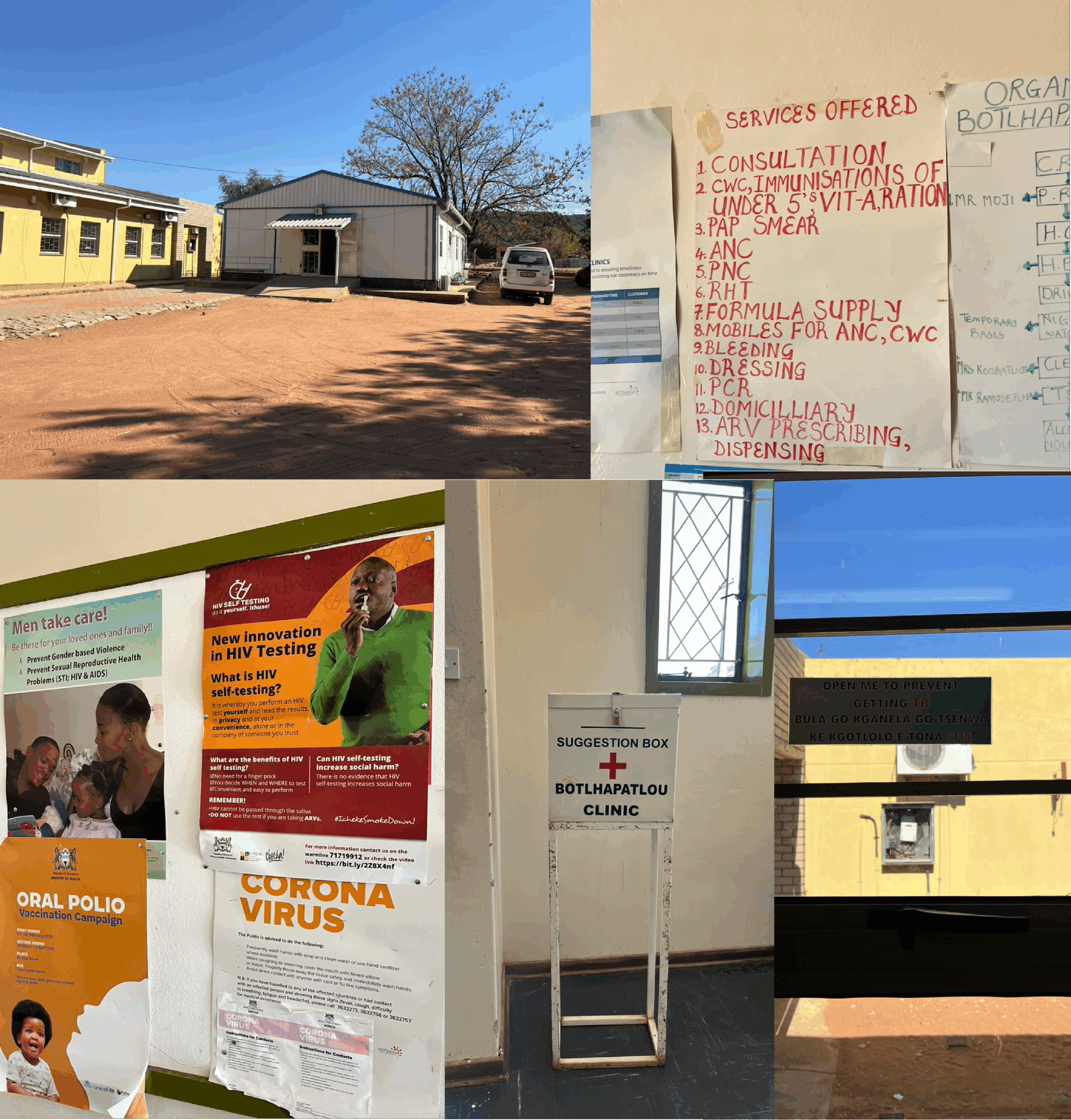
“These photos are from visits to the clinics outside of Gaborone where the Tshireletso team conducts follow ups for our participants. CAB-LA requires an injection every two months so the team drives to these government clinics closer to where the women live to administer the injection. I’ve learned a lot about Botswana’s health care system from visiting these clinics, where care is offered mostly for free. The signs pasted on the walls around the clinics show what issues affect people the most here — HIV, Tuberculosis and COVID. At these clinic visits, I’ve gotten to speak with our participants and learned from the team about conducting clinical studies in Sub Saharan Africa.” – Asher Montgomery
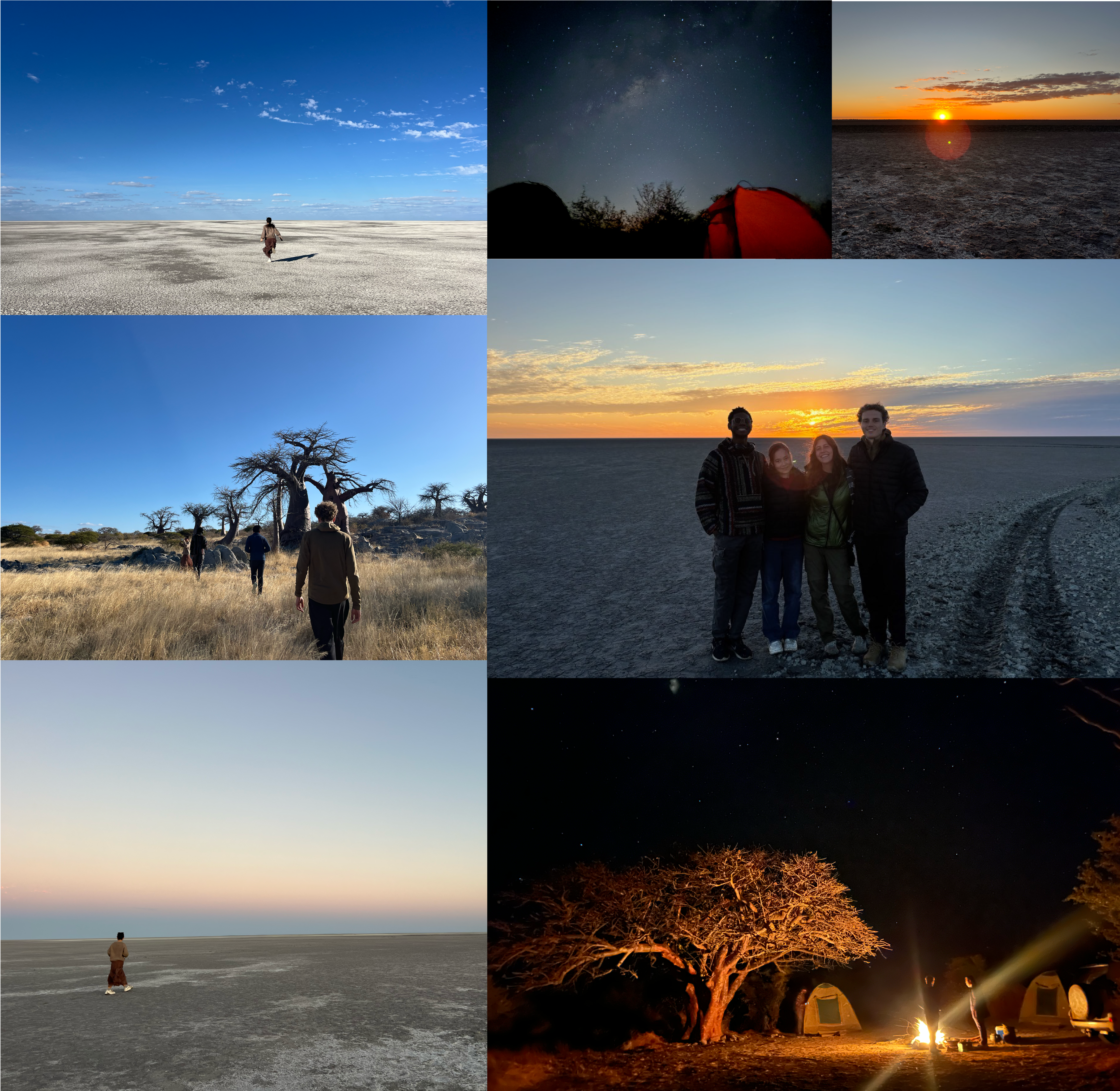
A group of four student interns (pictured) on a trip to the Sua Pan of the Makgadikgadi Pans of Central/Northern Botswana over one of their weekends during the internship.
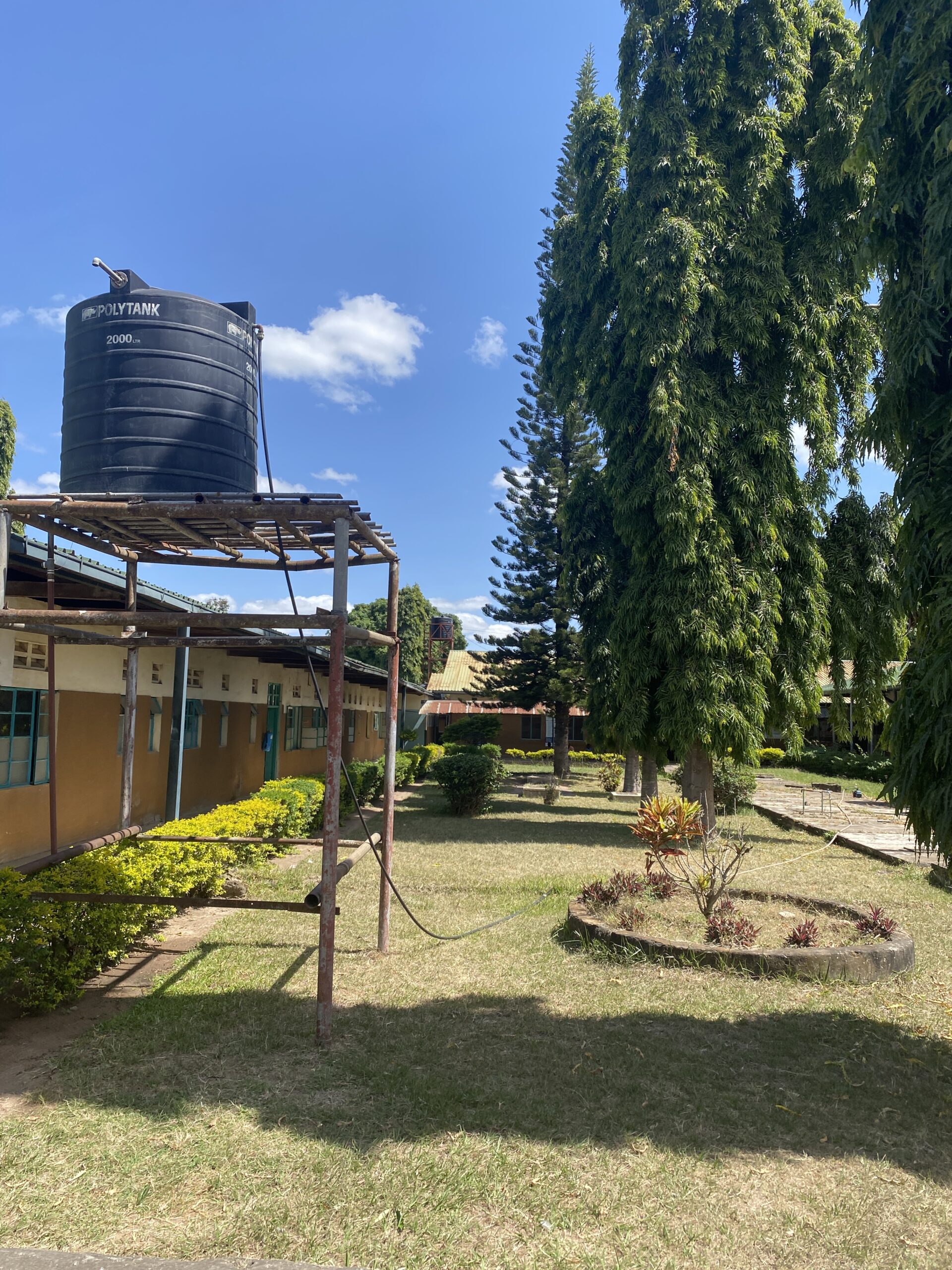
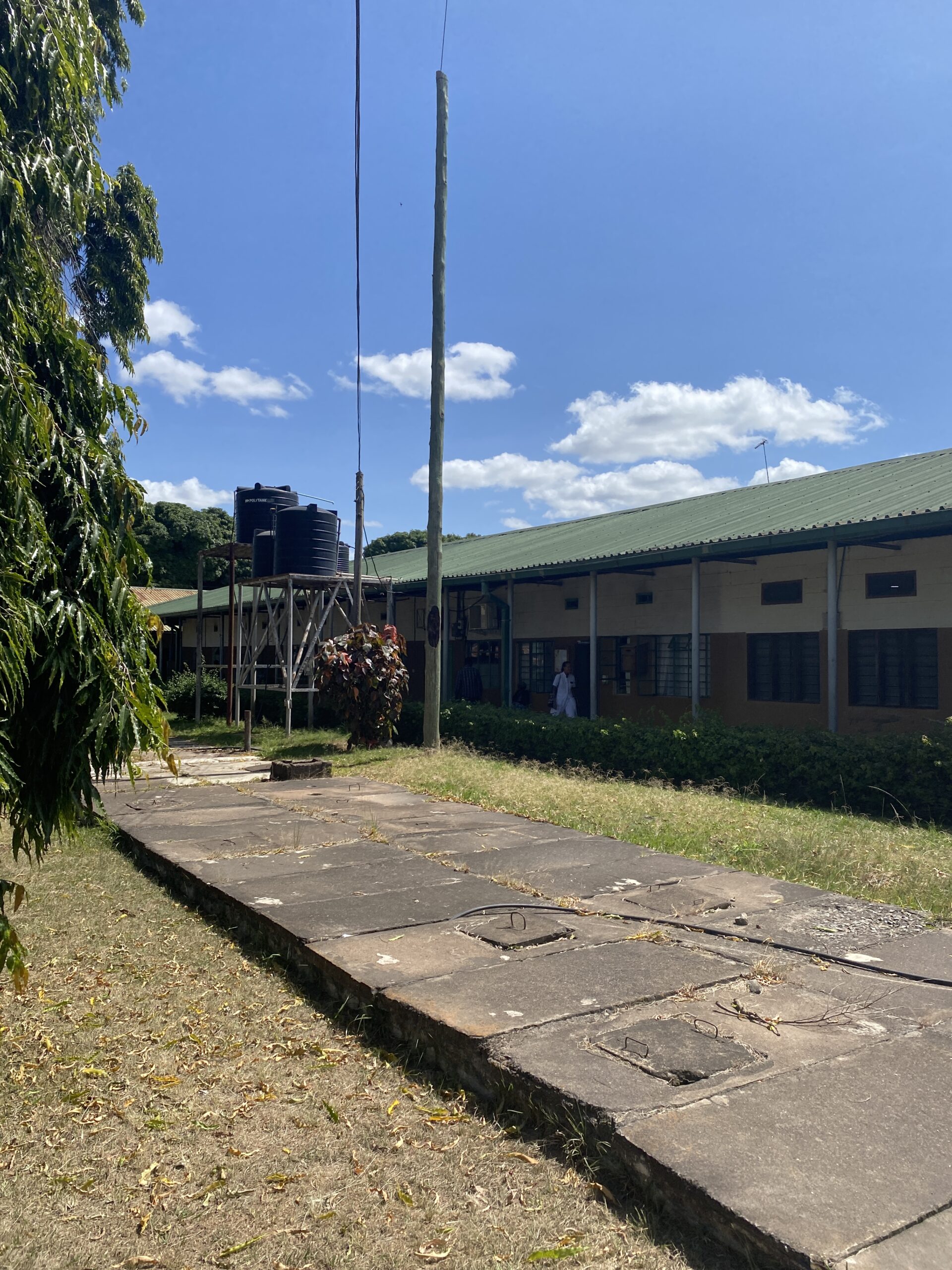
“I visited the Sengerema District Hospital for 3 days to understand how Touch Health’s watotoCare program operated there alongside usual hospital processes. This experience allowed me to connect the various types of data I was seeing and analyzing to how they were obtained.” – Anna Shao
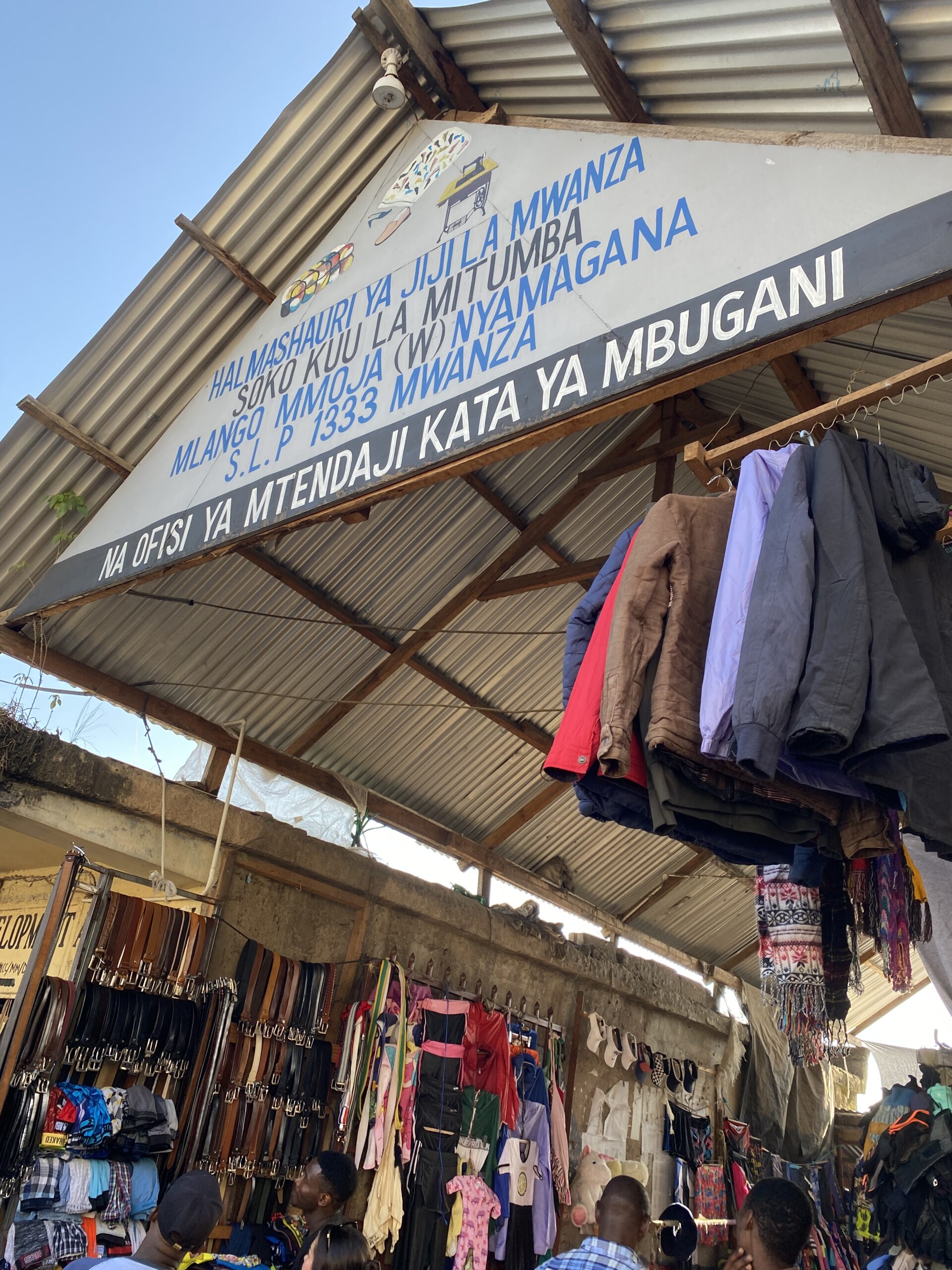
“To better understand the experience of locals, we explored a mitumba, or second-hand market, in Mwanza, Tanzania. Vendors presented a variety of clothes and accessories, some organized on racks and others simply in piles. It was lively and densely populated with narrow walkways.” – Anna Shao
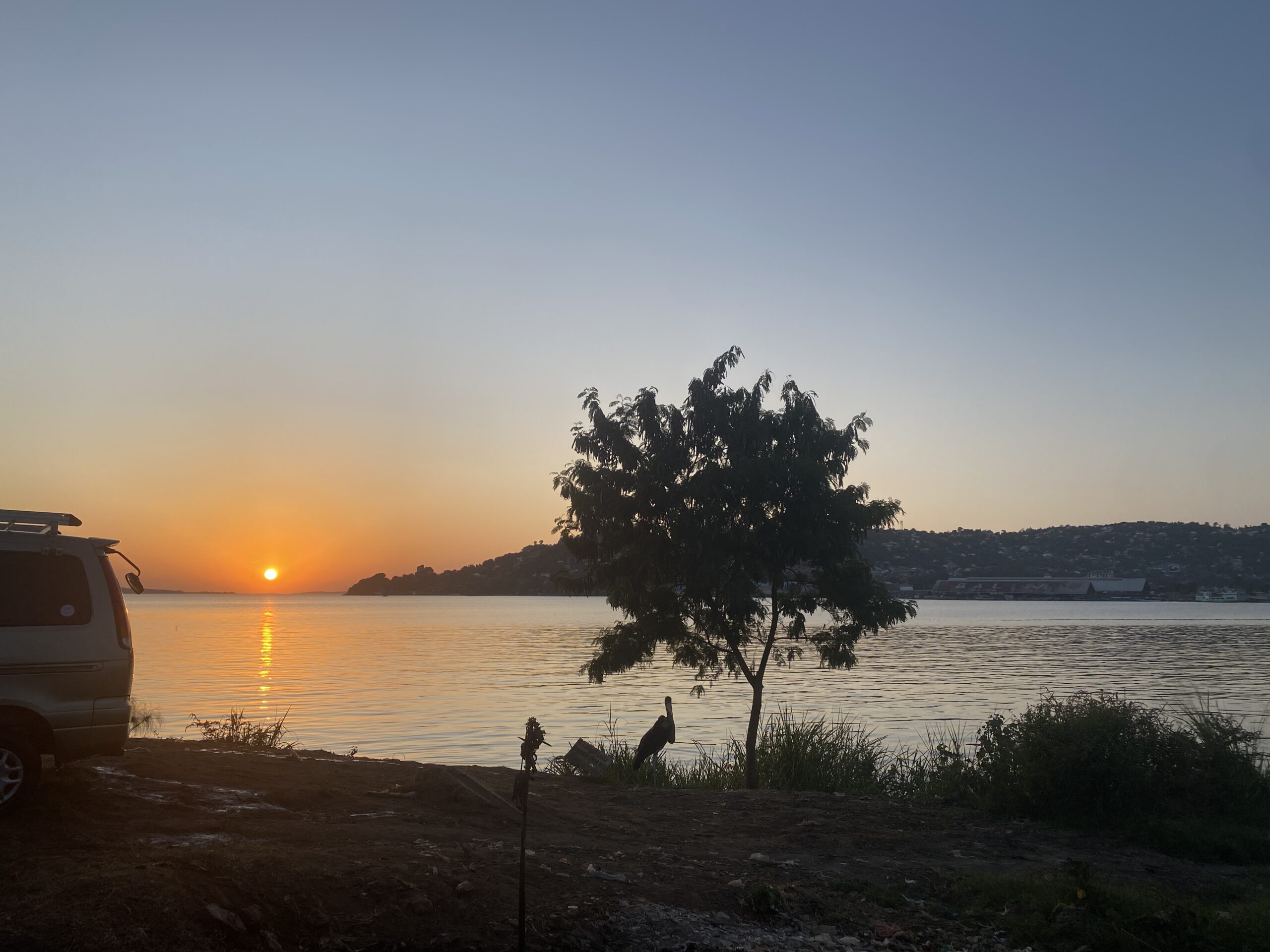
“We often go on walks right before sunset to appreciate Mwanza’s beautiful scenery. A detour from our walk to the supermarket led us to this beautiful sunset with a trash-eating bird (marabou stork). This was by an open-air fish market that was closing for the day. ” – Anna Shao

“This photo was taken in the Sua Pan of the Makgadikgadi Pans of Central/Northern Botswana. It showcases tire tracks from a car I was driving that began to sink into the vast nothingness that was the 24000 square kilometers of flat salt and sand that surrounded us. Luckily, I was able to regain control of the car and drive it to solid ground, leaving just the tire tracks as proof of my driving scare.” – Oziomachukwu Obi
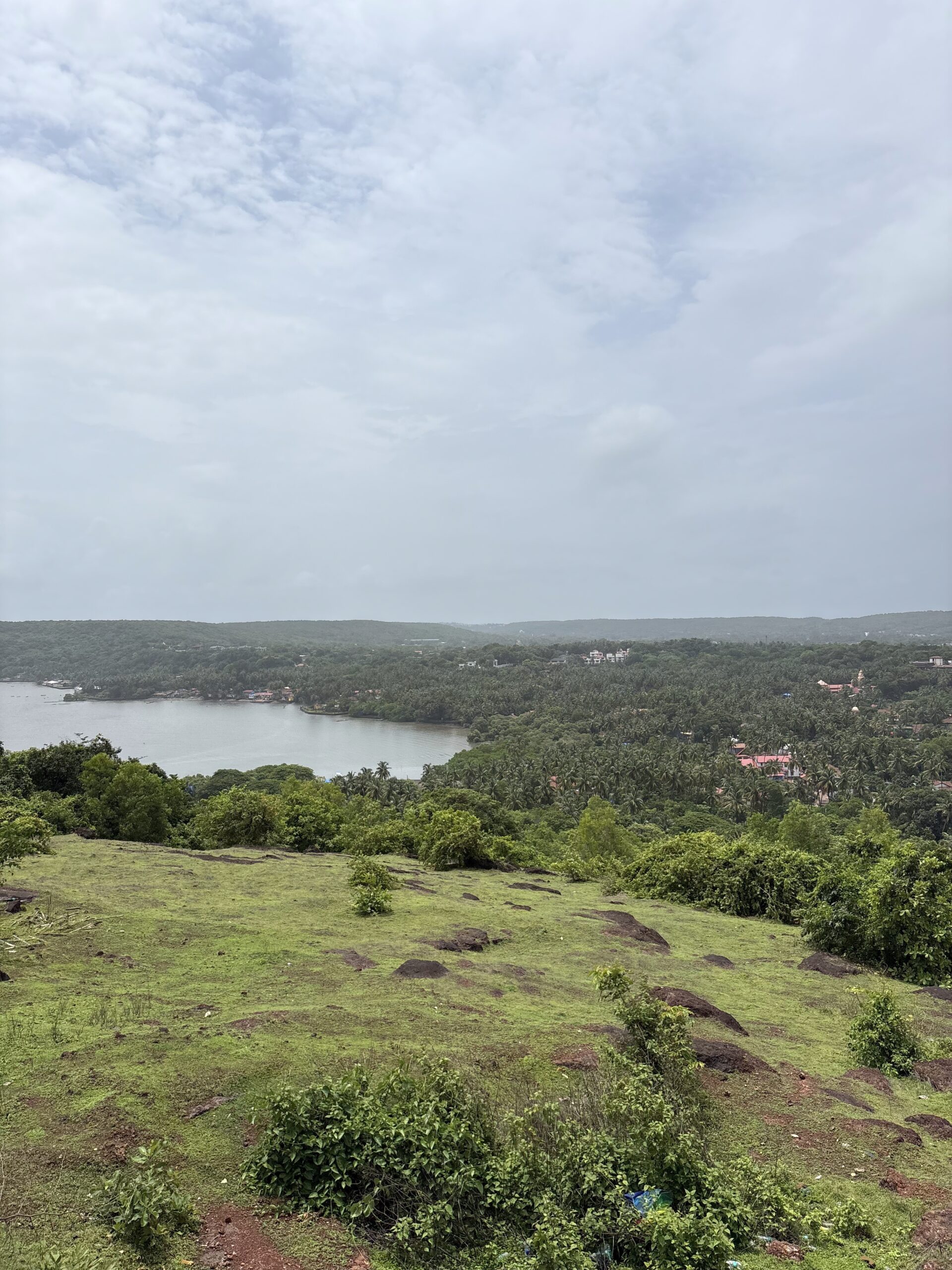
“This photo captures my first sight seeing experience in Goa. I went to a fort on the coast and it was lovely to see the area from above, to match the map I had seen so many times laid out in front of me in person.” – Anna Zettelmeyer
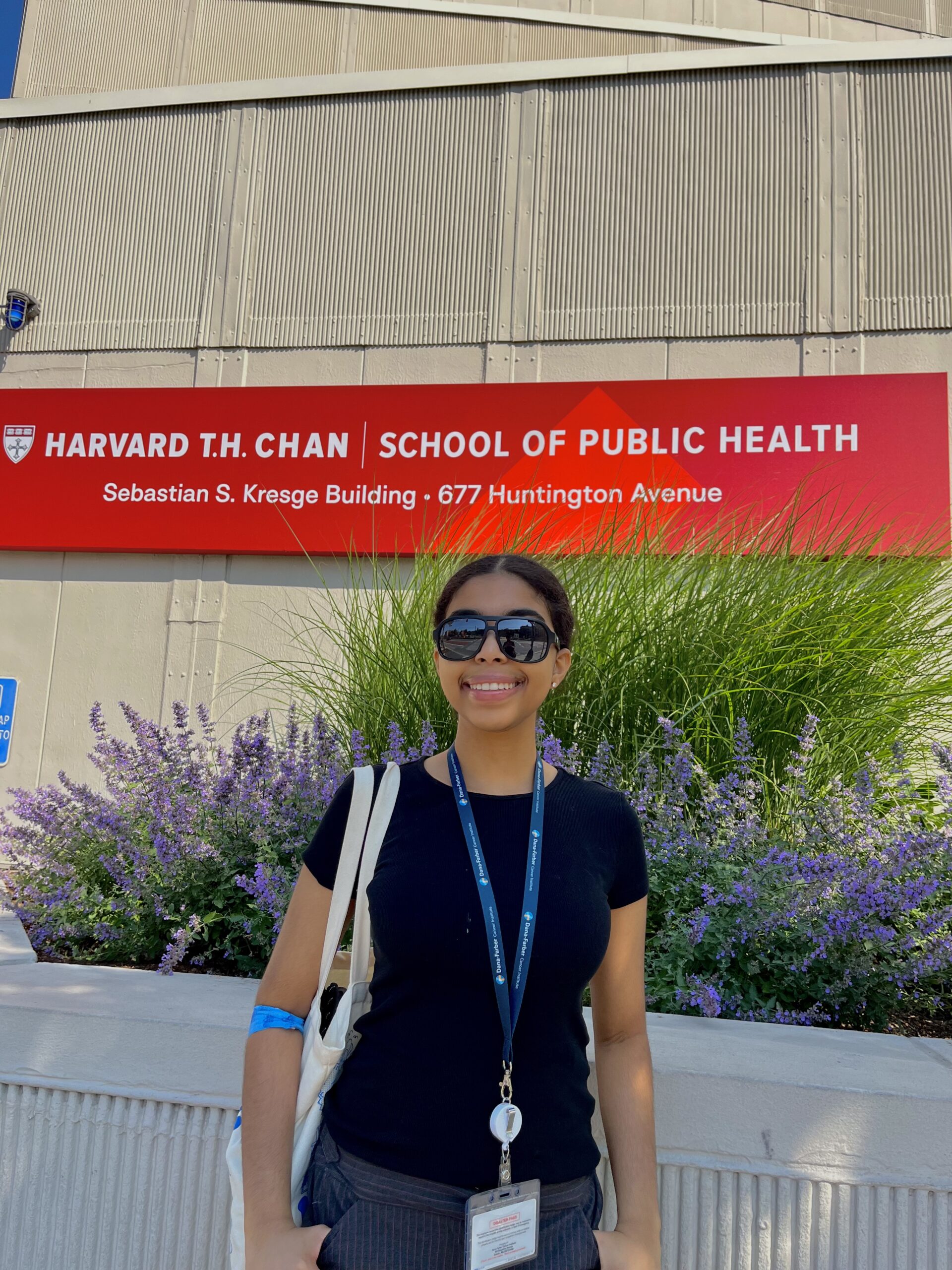
“As part of the PRECISE Project, I am currently reviewing the National Cancer Comprehensive Network Guidelines, along with regional healthcare systems, infrastructure, and available resources to develop a readiness assessment for the feasibility of a prostate cancer early detection program in Sub-Saharan Africa.” – Leila Helu
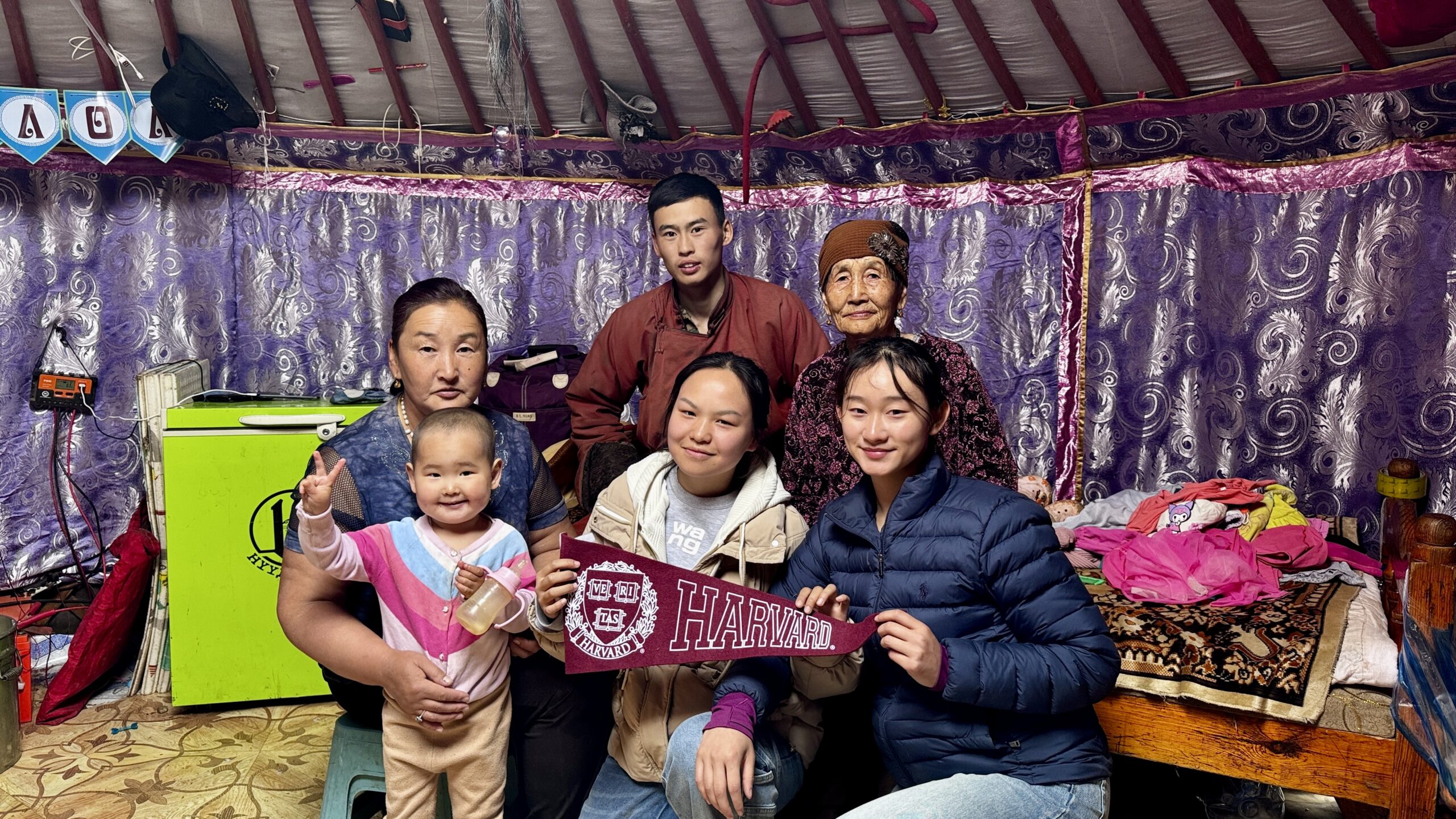
“This photo was taken during our first herder family homestay in the Khentii region of Mongolia. We camped beside their ger and spent several days learning about their values, daily life, and what wellness means in their world. One of the most powerful lessons I took away was that wellness goes far beyond physical health—it’s about balance with the land, reciprocity, and mindset. For them, living well means taking only what you need, giving back, and protecting what sustains you. These insights continue to shape how I think about rural health and emotional well-being. We’re still in touch with this family today through Facebook, which nearly every herder family uses—even in the most remote areas.” – Tina Chen

“My first photo captures the stunning coastline along Camps Bay, with Table Mountain to the left and the setting sun over the ocean. On weekends, I’ve loved exploring Cape Town’s outdoors—whether it’s a mountain hike or spotting friends playing rugby on the beach. It’s a reminder of the beauty and energy of the city I’ve been lucky to call home this summer.” – Myra Bhathena
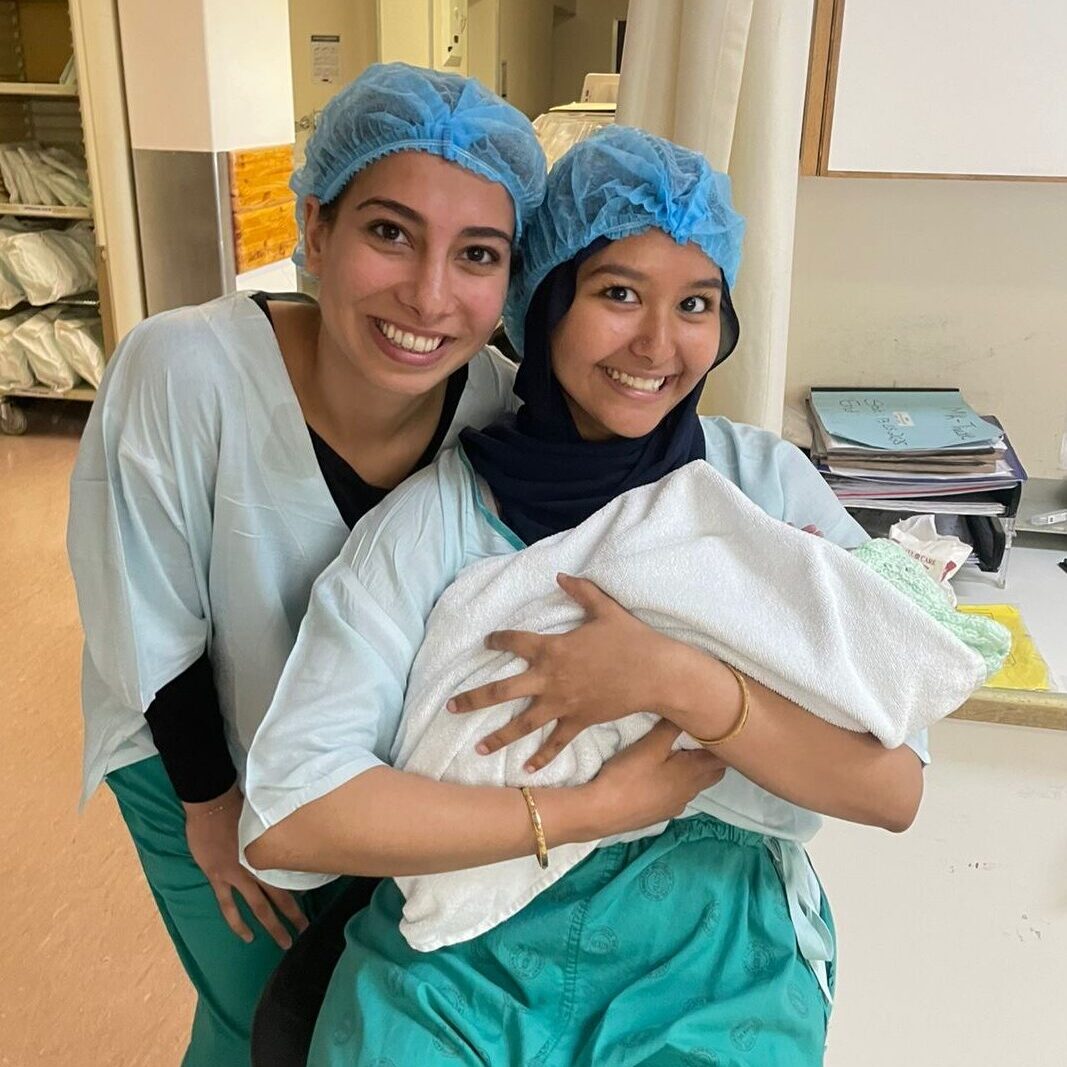
“In this image from the labor ward at Groote Schuur Hospital, my colleague and I had the rare opportunity to observe a full caesarian section. From start to finish, we were able to ask questions and learn from the clinicians—an experience that’s been deeply informative as we conduct research on the country’s surgical systems.” – Myra Bhathena
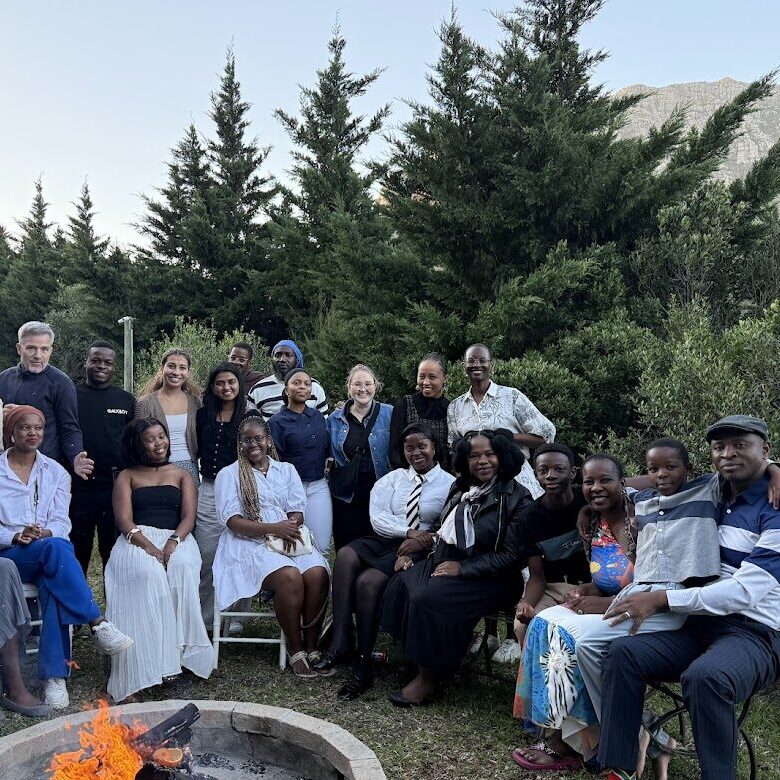
“At a team braai (South African BBQ), we gathered to celebrate Professor Salome Maswime’s leadership and the incredible work of the division. This photo captures the joy and camaraderie of the global surgery team. I’ve been inspired by the range of people I’ve worked alongside—from medical students to anesthesiologists, health economists, and surgeons.” – Myra Bhathena


Day in the Life Video Series
Take a closer look at our interns’ daily experiences through our “Day in the Life” video series. From lab work to hospital visits and field research, these short videos capture what global health looks like on the ground.
HGHI Student Global Health Interns

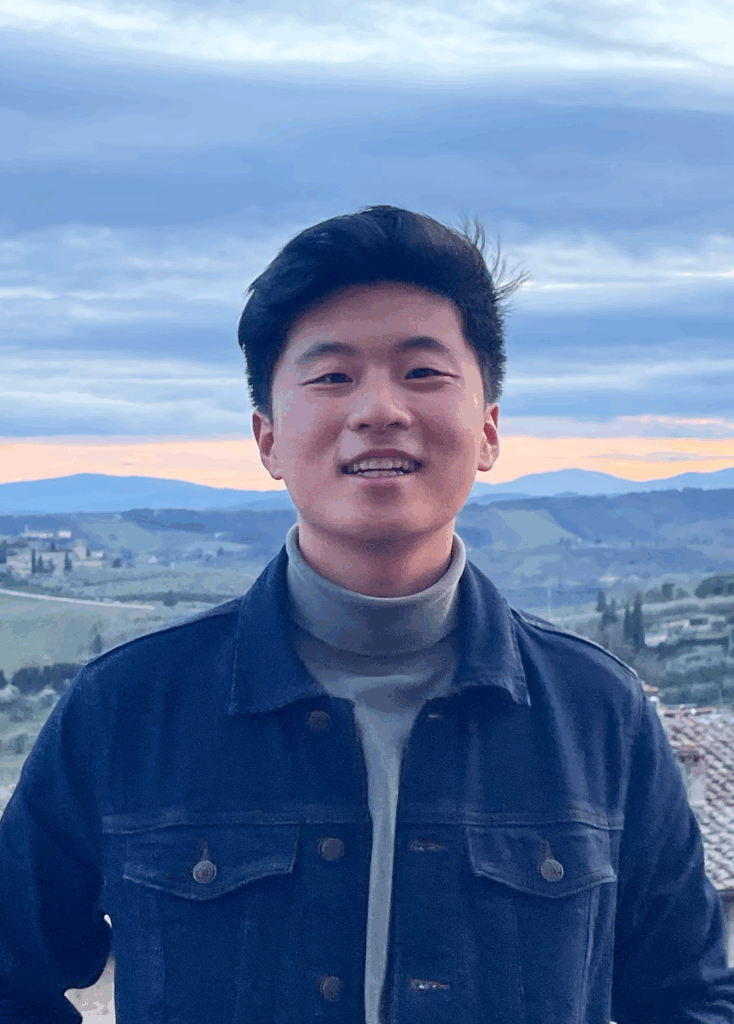
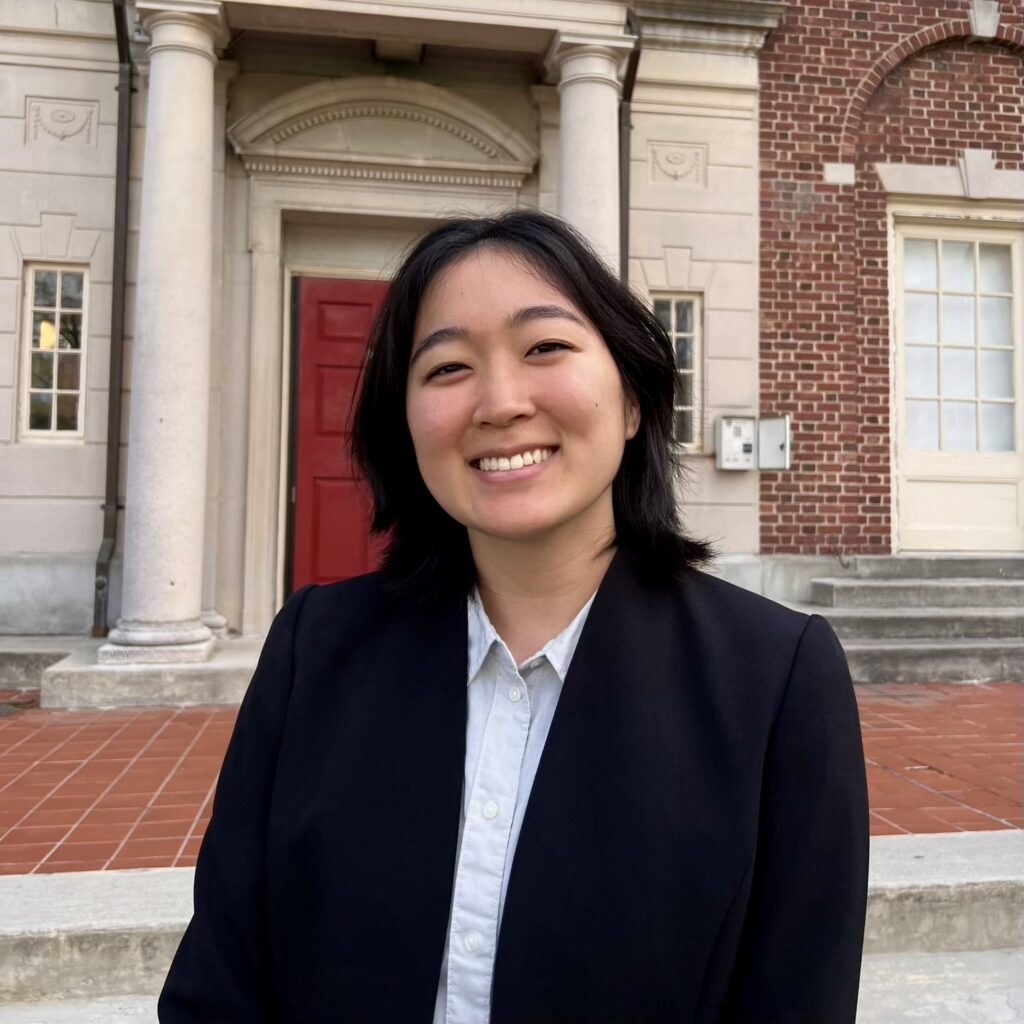
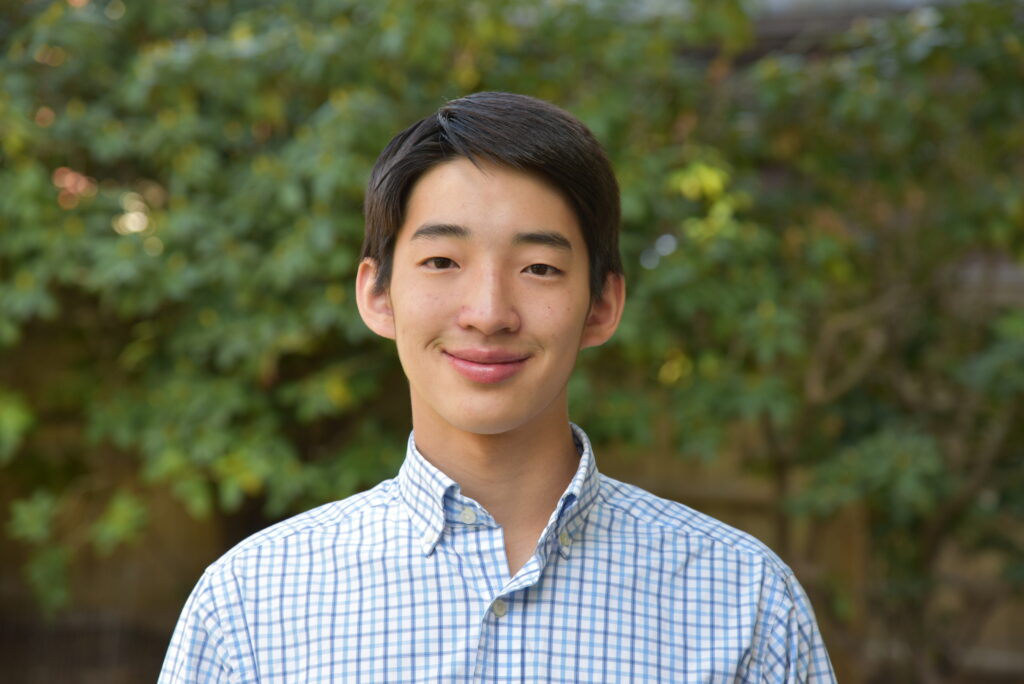
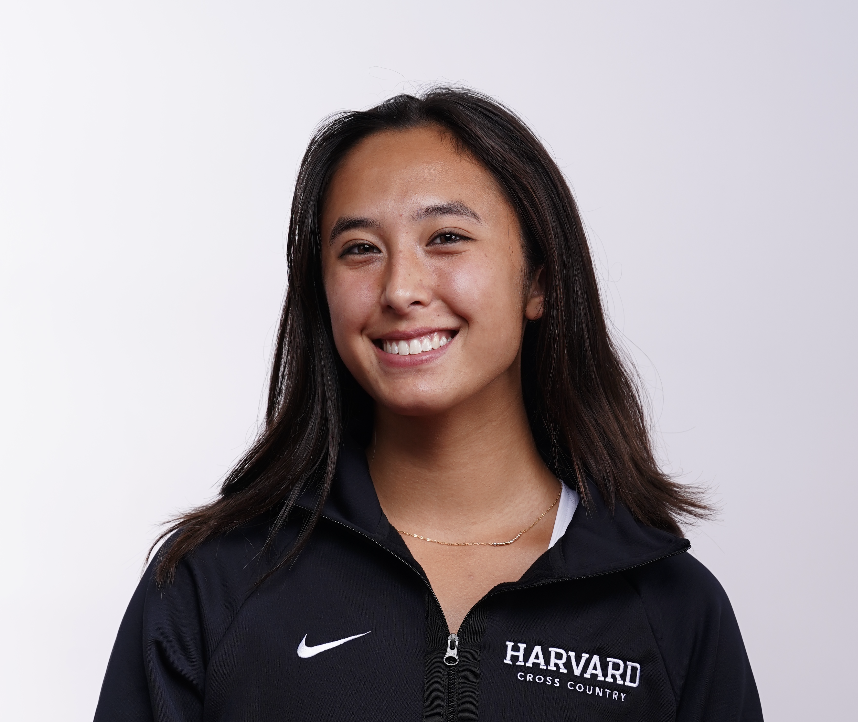
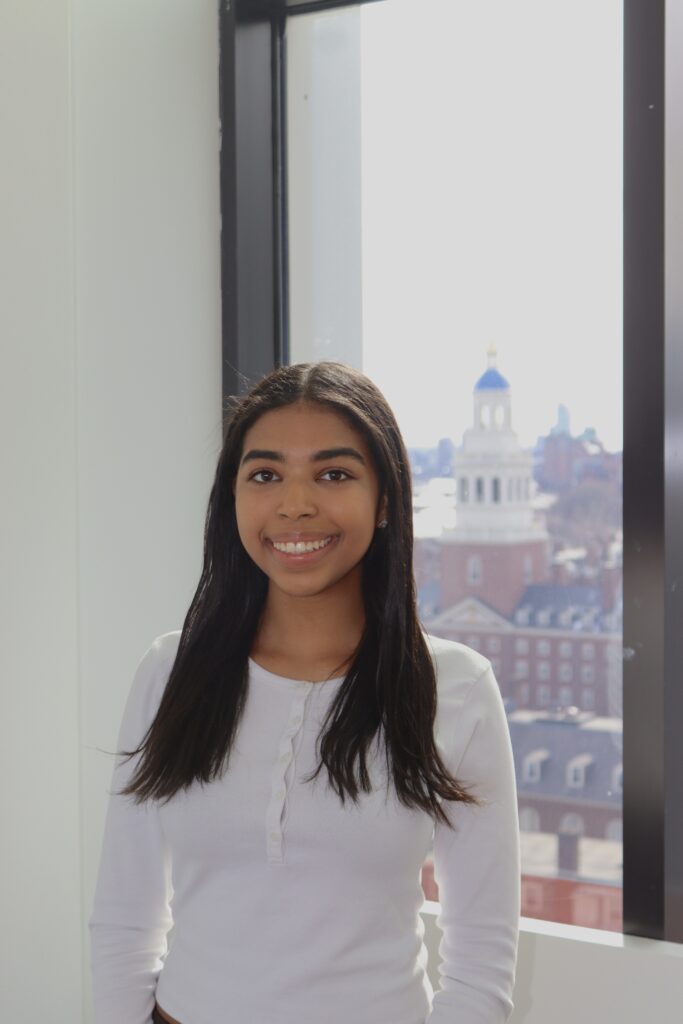
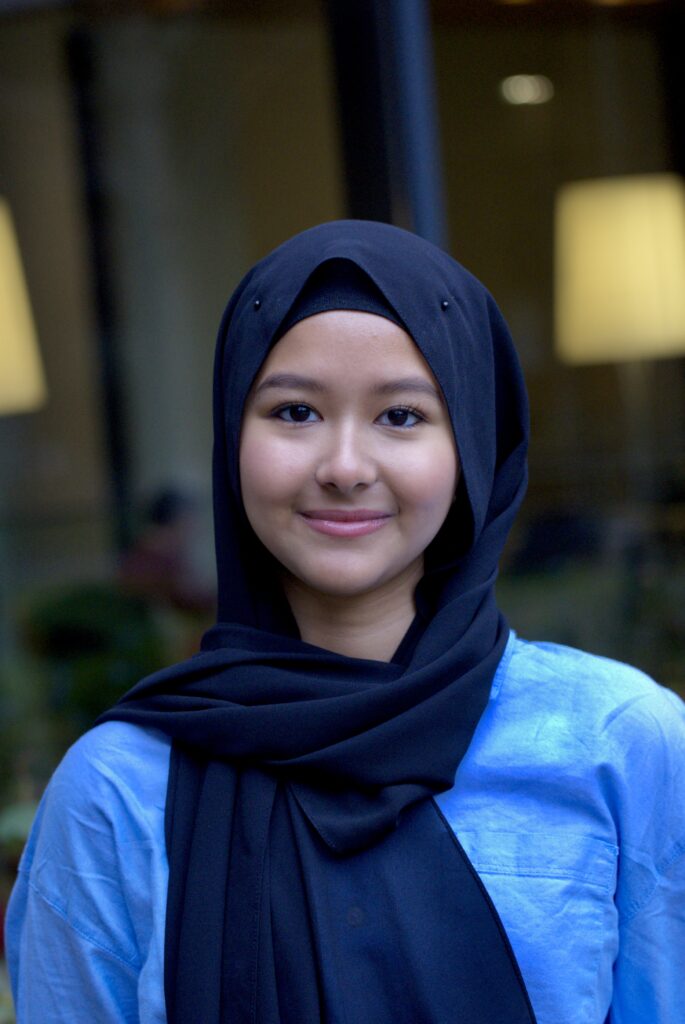
Hi, my name is Alif Sheikh and I’m from Cambridge, Massachusetts but was born in Dhaka, Bangladesh. I’m currently studying Integrative Biology and Education at Harvard, with a strong interest in how social and structural factors—like education, income, and geography—impact health outcomes. I was drawn to this field because of my passion for health equity and my desire to work at the intersection of clinical care, public health, and systems change. Outside of academics, I enjoy reading fiction, exploring new restaurants, and staying involved in student-led advocacy and mentorship programs. One unique thing about me is that I started wearing the hijab when I was in fourth grade and this is my 10th year wearing it!
During my internship, I’m exploring how global surgery can be better integrated into undergraduate medical education at the University of Cape Town. I’m particularly focused on understanding when and how medical students are introduced to global surgery, and identifying opportunities to incorporate it earlier in the MBChB curriculum. As part of this project, I’m meeting with faculty and curriculum stakeholders, developing educational materials, attending lectures, and hopefully conducting a small-scale survey to gather student perspectives. In addition to this medical education project, I am assisting the division with ongoing initiatives surrounding childhood blindness, surgical tourism, and quality of care post-operation for hand surgery patients. This internship has also provided me with the opportunity to shadow surgeons at Groote Schuur hospital, allowing me to observe acute care, ophthalmologic, and anaesthetic procedures.

I am originally from a rural town in upstate New York, now double majoring in Music and Human Biology, Behavior, & Evolution at Harvard. I started out as a pre-med student, inspired by the loss of two people close to me to pediatric cancer. But as I progressed through college, I learned that my true passion was for research, and that I could make a global impact in medicine as a scientist. I’m specifically interested in the relationship between climate and health, as climate change worsens public health issues ranging from cancer to infectious disease to food security. I am a professional composer as well as a scientist, with premieres in and around both Boston and New York City. I primarily write pieces for singers that explore our human relationship to nature and the climate. This summer, I look forward to not only improving my computational research skills through my first complete independent research project, but learning how to use my research to advocate for climate and health policies that support our most vulnerable communities.
I am working on an independent research project investigating the role of climate change in modern day plague outbreaks. I focus on Madagascar, the nation with the highest plague infection rate today. My literature review suggests that unusually high heat and precipitation correlate with large outbreaks, and may increase the mutation rate in Yersinia pestis (Y.p.), the bacillus responsible for plague. Using computational methods, I am looking for changes in virulence-related genes in publicly available Y.p. genomes, which I will map against geospatial climate and outbreak data. Through this, I hope to explain an extreme increase in pneumonic plague, a much rarer and more deadly form of the disease than bubonic plague, in 2017. I am collaborating with Pivot, a public health nonprofit dually based in Massachusetts and Madagascar, who will use my data to better anticipate and respond to plague outbreaks. I am also supported by the Initiative for the Science of the Human Past at Harvard, as well as the Capellini Lab at Harvard’s Department of Human Biology, Behavior, and Evolution.

My name is Anna Shao, and I’m from Chicago. I study Human Developmental and Regenerative Biology and Statistics because I love thinking about and solving complex problems, especially with the data biology offers. I spend a good amount of time drawing or going on walks while listening to podcasts (I’m currently working through This American Life). I also enjoy playing Set, reading fiction and memoirs, and learning from people through questions and conversation. I find joy in occasionally picking up new keyboard shortcuts and slowly building them into my repertoire.
At Touch, I’ve supported both program and organizational development through projects like grant preparation and program analysis, thus seeing everything that makes programs possible. I primarily work on watotoCare, a pilot program at Sengerema District Hospital that aims to reduce neonate morbidity and mortality through structured post-discharge visits for mothers and newborns. I’m analyzing program data to develop stakeholder materials and a guide to support upcoming operational changes. I’m also involved in researching the program’s 9-month outcomes, including cleaning existing data, updating the data collection system, and planning the next research phase.

I was born in Washington DC, but am half Spanish/half German and primarily grew up in Europe and DC. I am concentrating in neuroscience with a secondary in history. I chose neuroscience because I like to learn about the fundamentals of human behavior and how the mind and body works. In my free time, I like to dance, surf or enjoy a hike or do activities that make me feel present, like being with friends. In Cambridge, my main hobbies and extracurriculars are case management at Y2Y, teaching yoga, dancing and being a CA (stats/neuro). Something interesting about myself could be that I love to long-term solo travel even though every time I do, the first two weeks are still always challenging (adjustment period). In the future, I hope to work in global mental health as a researcher, field worker and contributor to making research more inclusive and less exploitative.
I am working on a variety of projects and tasks. One larger project is working on a scoping review for population-level interventions that reduce alcohol and tobacco use to see if they could also be applied to social media usage. Other smaller tasks include quality assessments for a paper, contributing to writing and editing papers, helping write/edit grants and assisting in the screening process of a systematic review.

Hi my name is Asher, I am a senior from Tampa, Florida studying Integrative Biology. I love studying biology because it allows me to observe and ask questions about the life around me all the time. I am particularly interested in maternal health and the impacts of planetary changes on human well-being. At school, I co run the Metro desk and training for The Crimson’s News board, for which I previously covered the Harvard and Cambridge Police Departments. I also lead hikes and canoeing trips for the First Year Outdoors program and teach guitar and ukulele through PBHA’s Harmony program.
In extra and in between times, I love walking, running and exploring new places. From my internship at the Botswana Harvard Health Partnership this summer, I hope to learn about the ins and outs of clinical research and assist the team in providing HIV preventative treatment to high-risk women. Some highlights of my time in Botswana so far include driving to the Makgadikgadi salt flats and through villages outside the city, trying the magwinya, morogo, chakalaka, pap and seswaa bought just outside the clinic, shadowing a C-Section, dancing to Motswana music in the office and best of all, getting to know my co-workers and the participants.
AT BHP, I am assisting with the Tshireletso study, which means “protection” in Setswana. The study provides an HIV-prevention injection called CAB-LA to high risk post-partum women and will assess its efficacy and safety in order to provide strategies for its eventual roll out. The study also assesses the pharmacokinetics of CAB-LA in breastmilk. Along with going on clinic visit follow ups and helping the team prepare for an audit, I am working to figure out how best to connect participants with continued care after the study is over despite cuts to foreign AID, communicating with the ministry of health about outcomes, and writing a questionnaire for the participants final visit.

My name is Ben LeBuhn and I am a rising senior from Paducah, Kentucky studying Integrative Biology with a secondary in History. I am interested in medicine and global health as well as ecology and animal biology and have really enjoyed concentrating in Integrative Biology for the course flexibility it has provided me. In my free time I love to play bluegrass mandolin and guitar, go fishing and hunting, and spend time outdoors with family and friends. At Harvard, I enjoy spending time at the student-run radio station WHRB, playing pickup basketball, and playing club pickleball.
This summer my primary project will be looking at the relationship between different nutrient supplementation formulas during pregnancy and the development of anemia prior to childbirth. I will also be observing and learning about a clinical trial of 3 broadly neutralizing antibodies in children diagnosed with HIV.

I am from Cape Cod, Massachusetts and I am a rising junior studying Integrative Biology and Economics. I am studying these two fields because I am passionate about global health equity. I believe that the intersection of economics and biology is the perfect combination because it not only allows you to understand the science behind human health but also allows you to understand tangible ways to make healthcare accessible to all. In my free time, I enjoy going for jogs and listening to music. I also love to draw – in fact, this past semester I served as a design editor for a publication on campus.
I am working with UGHE’s Center for Gender Equity on a variety of different projects, including a review of policies by the African Union on Violence Against Women and Girls, a research manuscript on palliative care for women, and data collection for a study on female inclusion in the basic medical sciences across African universities. I am also working on an alumni impact report to document the progress made by graduates from UGHE’s recent Gender, Sexual, and Reproductive Health cohort. Additionally, I am working with the center’s communications team on outreach and social media efforts.

I am a junior in Leverett House from Cherry Hill, NJ, double concentrating in Chemical & Physical Biology and Government with a secondary in Music. I’ve always been committed to studying the synergy between the biological and social sciences, and global health—especially infectious disease—is where I believe that intersection can have the greatest impact. This summer, I’m conducting viral genomics and infectious disease epidemiology research in the Sabeti Lab at the Broad Institute. Aside from research and studies, I am President of Harvard Model Congress Europe 2026 and Co-Chair of the Policy Program at the Harvard Institute of Politics. I am also an avid musician as a classical pianist and jazz trumpeter, serving as President of Harvard College Piano Society and playing lead trumpet in the Harvard Jazz Orchestra.
This summer at the Broad Institute, I’m researching how SARS-CoV-2 evolves within individual hosts by analyzing intrahost single-nucleotide variants (iSNVs): minor alleles that often remain below consensus levels but can reveal early adaptive signals. Using a dataset of over 130,000 deep-sequenced viral genomes, our team is identifying recurrent iSNVs that appear across hosts, exhibit demographic associations, and frequently precede fixation in variants of concern. I’m contributing to both the empirical characterization of these variants and the development of computational models to simulate both within- and between-host dynamics. We’re also training predictive classifiers to assess whether certain iSNVs can serve as early indicators of future lineage-defining mutations. This work aims to establish a scalable framework for integrating intrahost variation into real-time viral surveillance, with the goal of improving early detection and informing more proactive public health responses.

My name is Dana Garibaldi and I am a rising junior at Harvard from McAllen, Texas. I am pursuing a double concentration in Human Developmental & Regenerative Biology and History of Science (Medicine & Society Track). I am drawn to these fields, and to global health as a whole, because I am extremely passionate about the intersections of social justice and medicine. Through this internship, I hope to work alongside my team to help increase access to clinical decision-making tools for various underserved medical schools in African countries, building my data analysis and cross-cultural communication skills in the process. Outside of class, I am involved in student organizations like CrimsonEMS and Latinos in Health Careers. I also conduct research on the genetic drivers of metabolic disease in zebrafish models at Beth Israel Deaconess Medical Center. One interesting fact about me is that I grew up in a border city, so I am able to visit my family in Mexico with just a 30 minute car drive. I also love to read and crochet in my free time!
This summer, I am working with the Better Evidence Team within the Division of Global Health Equity at Brigham and Women’s Hospital. Through the Better Evidence for Training Program, my team has removed the financial barrier to a clinical decision-making tool called UpToDate for medical schools across Africa. As an intern, I am developing communications materials for partner nonprofit organizations that also serve African clinicians. My efforts will help maintain access to evidence-based medical information in under-resourced African health systems. I also support my team by managing and analyzing data on UpToDate usage from over 400,000 users, as well as newsletter engagement from over 200,000 subscribers. This experience has provided me with valuable knowledge on global health research, and continues to inspire my passion for health equity.

My name is Diego García, and I’m an international student from Mexico City. Now that I have finished my first year of college, I plan to concentrate in medical anthropology and government. I hope these two fields will equip me with the tools to understand perspectives different from my own. I seek to explore the systems that shape people’s worldviews and research how we can bridge our divides to advance our collective well-being.
Through my internship conducting interviews with parents to understand why many do not participate in their children’s upbringing, I plan to strengthen my qualitative research skills and take a step closer to my goal of understanding others’ complex thought processes. Most importantly, I aim to use that understanding to help design an intervention alongside professionals that encourages parents to take a more active role in their children’s lives.
I’m currently researching why most fathers chose not to participate in Socios en Salud’s CASITA project—sessions aimed to strengthen the parent-child bond and equip parents with the tools to effectively develop their children’s cognitive, social, and motor skills. The goal of my internship is to design a gender-sensitive intervention to increase fathers’ participation in CASITA sessions, encouraging them to break social norms and take a more active role in their children’s lives.

Hello, my name is Elizabeth DaCunha! I am originally from Fairhaven, Massachusetts. I am currently a rising sophomore hoping to study History of Science and Global Health & Health Policy. I chose to study this field because I am passionate about the intersection of health and gender equity, with a strong interest in advancing women’s health both locally and globally. In my free time, I love to play pickleball with friends, go for walks and get ice cream with my sisters, and swim at the beach! A fun fact about myself is that I moved to Delaware for three years with my family while my mom completed her residency there!
I’m currently supporting the organization by researching and applying for grants to help sustain its operations, as well as assisting with website updates and social media outreach to amplify its impact. Now that I’ve just arrived in Tanzania, I’ll begin visiting schools to give presentations on sexual and reproductive health, engaging with orphanages and hospitals, and immersing myself in the local community to better understand the needs and strengths of those we serve.

My name is Emily Igwike, and I’m from Milwaukee, Wisconsin! I am currently an English and Chemistry concentrator on the pre-med track here at Harvard. I joined the Harris Lab this summer as an intern through the Harvard Global Health Institute Program, and my project focuses on analyzing the antibody response to specific K and O antigens on K. pneumonia strains in patients with recurrent bloodstream infections. Outside of research, I enjoy getting coffee, spending time with family, reading fiction and poetry, writing, and organizing. After graduation, I hope to attend medical school, continue with research, and one day earn an MFA. A fun fact about me is that my favorite color is pink, and I knocked out two of my front teeth in 7th grade during a basketball practice.
During my internship, I am looking to analyze the the antibody response of patients who had recurrent klensiella pneumonia infections.

My name is Emma, I am from Boston, Mass! At Harvard College, I study Anthropology with a secondary in Global Health & Health Policy (GHHP). I chose this discipline because of the care with which it treats the authority and inconceivability of lived experience. On campus, I am involved in the Student Labor Action Movement and Y2Y Harvard Square. Otherwise, I love to read, hike, bike, and indulge in caffeine of all forms.
During my internship, I have supported several different research studies, including focuses on problematic social media use during COVID-19 lockdowns, vaccine uptake in young adults and pregnant persons, and evaluations of early warning and response systems to infectious disease. Within these projects, I am contributing to manuscript drafting and revision processes, qualitative data coding, and community engagement and recruitment efforts.

My name is Fajr and I am a rising senior studying Neuroscience and Philosophy. My parents are from Lahore, Pakistan but I grew up in Amsterdam, The Netherlands. I am passionate about equitable and accessible mental healthcare, and I hope to work with youth struggling with stress and anxiety-related disorders in the future. At Harvard, I am the policy director at the Harvard Square Homeless Shelter and a volunteer EMT with Crimson EMS. I love horseback riding, reading, and learning new instruments. I also have a growing vinyl record collection that I proudly show everyone I meet.
I am currently working on organizing participant data from the lab’s pilot program for training community workers in youth mental health intervention. I am going through the coaching data reports for each participant and recording their weekly individual course progress as well as calculating their overall program progress. Alongside this, I am cleaning transcripts from focus group sessions discussing the training course with participants. Over the next month, I will be helping with rating competency assessments completed by participants of the program, which assesses the community workers’ proficiency in delivering mental health interventions and the effectiveness of the lab’s training course.

My name is Hugh Hankenson and I am a rising senior in Adams House from Philadelphia, PA. I concentrate in social studies and human developmental and regenerative biology, with a secondary in global health and health policy. Outside of class, I am involved in immunoengineering research at the Wyss Institute and medical debt research at Brigham and Women’s Hospital, as well as a leadership in the Harvard Undergraduate OpenBio Laboratory and the IOP Policy Program. In my free time, I enjoy reading, playing chess, and running and biking to explore Boston.
This summer, I am working with the National Health Service England (NHSE) Strategy Team, which plays a pivotal role in establishing short- and medium-term national strategy for NHSE, as well as developing novel policies and solutions to address pressing issues facing the NHS. I have primarily joined the Health and Growth Team, which recognizes the critical relationship between employment, good health, and individual, local, and national economic well-being. With the Health and Growth Team, I’ve had the opportunity to work on two projects focused on helping people with long-term medical conditions and disability receive the treatment necessary to return to work. The first of these programs incentivizes local health systems to consider employment as an outcome, while the second explores outcomes-based payments linked with patients’ economic activity. Day to day, my work revolves around meeting with stakeholders, analyzing service delivery data, and developing novel policy approaches that serve patients.
In the future, I hope to utilize health policy reform to expand healthcare access, so am excited for the opportunity to develop fundamental skills in health policy analysis and development with the NHS England Strategy Team this summer. Additionally, I hope to learn as much as I can about the operations of the NHS, including its strengths and weaknesses, to better understand opportunities for the American healthcare system to learn and improve.

I’m Isabel, a rising junior in Quincy House from Lexington, Massachusetts. I am concentrating in Human Developmental and Regenerative Biology, with a double in History of Science. Outside of class, I conduct research in the Rubin Lab and serve as an EMT with CrimsonEMS. I’m passionate about translating classroom knowledge into real-world impact, particularly in the realms of rural health and disease treatment. In my free time, I dance with the Harvard Contemporary Collective!
This summer with the New Nomad Institute, I will be conducting oral history interviews with nomadic communities in Mongolia. I hope to capture life stories and personal perspectives on health and wellbeing, using homestays and in-depth interviews to build a deeper understanding of traditional lifestyles and rural health experiences.

My name is Isabella, and I am a rising senior from Minneapolis, MN, studying Sociology and Global Health. As a pre-med student, I was drawn to sociology for the perspective it offers on how institutions, environments, and individual lives intersect to shape health outcomes. For my senior thesis, I am researching how climate change and the increasing frequency of hurricanes in the Caribbean affect public health. Although Small Island Developing States (SIDS) contribute little to global emissions, they disproportionately experience the consequences. My project seeks to better understand how these nations prepare for and adapt to climate-related disasters. This work has deepened my interest in Emergency Medicine and sparked a commitment to disaster response as a future physician.
During my data collection period, I have visited a variety of villages across all 10 parishes of the small island of Dominica. In each parish, I administer 15-minute surveys to residents, focusing on their knowledge and perceptions of climate change—particularly its impact on health. The responses have been diverse: some participants are highly aware of how climate change affects their daily lives and increases disaster risk, while others express skepticism, attributing weather changes to scientists “messing with the weather” or dismissing climate change as a hoax. These conversations have expanded my understanding of the challenges public officials face in communicating climate-related health risks. They’ve also highlighted the need for tailored approaches to public education that both respect local perspectives and effectively prepare communities to adapt.

I was born in Syria and I have lived nearly my entire life in El Paso, Texas. I am concentrating in Chemistry and pursuing a concurrent master’s in Chemistry and Chemical Biology. From optimizing point-of-care tests to diagnosing infectious diseases like malaria in low-resource global health settings, our understanding of chemical principles can be applied in various fields. I love hiking, watching and playing soccer, and fun fact, I have broken my left arm three times.
This summer, I will focus on developing a long-term project that aims to provide bystanders with the knowledge and confidence to intervene in emergencies before professional help arrives. The belief behind my project is that providing free and accessible emergency response training to schools and community organizations in El Paso, Juarez, and rural Texas border areas is key in improving the chances of survival for those who face long response times or EMS shortages. Educating bystanders in emergencies is not new. In Korea, for example, “CPR education for schoolchildren has enhanced the bystander CPR rate, resulting in a higher survival rate for OHCA victims and a decline in health care costs” (Ko, Kim, and Cho). By expanding this model for emergencies beyond CPR, we can help address this issue in a unique and sustainable way. To accomplish this, I will work with school districts and community organizations to form a hands-on training program that will educate students, teachers, and residents on how to respond to various emergencies. By forming official partnerships, we can increase the number of people in the region who are knowledgeable and confident to perform CPR, recognize signs of a stroke or seizure, and properly direct care before emergency responders arrive.

I’m Jeffrey, a senior from Pennsylvania. At Harvard, I study Social Studies and Psychology, as well as Global Health and Health Policy. Outside of class, I sing with the Glee Club and advise students in various capacities. I also enjoy running, hiking, and writing.
I’m in Singapore conducting fieldwork for my senior thesis, which studies the capacity of urban planning and heritage conservation to shape identity and experiences of belonging. I have spent time with urban planners, attending public engagement sessions and learning about their process. I have also joined various community heritage tours, learning about the stories of each area and getting to know volunteers. More broadly, I have also spent time connecting with local residents.

Hi! I’m Jenni, a rising senior from Los Angeles studying Computational Neuroscience and Global Health & Health Policy. As an aspiring physician, I’m particularly fascinated by the ways technology can drive progress towards accessible and equitable healthcare. These fields of study are especially exciting because they position me at the forefront of innovation and discovery in biology, technology, and global health.
Outside of academics, I’m passionate about art, music, and volunteering—I help lead HARMONY, a volunteer organization that offers free 1-on-1 music lessons to low-income K-12 students in Cambridge! I also enjoy traveling, hiking, and starting new creative projects. This summer, I’m excited to experience global health at the heart of international collaboration and to learn how large-scale initiatives can operate in socially conscious, culturally empathetic ways.
At Gavi, I’m working on two key projects: establishing essential datasets on disease outbreaks worldwide and curating research databases that quantify the value of vaccination. These efforts aim to support evidence-based decision-making and help highlight the long-term impacts of immunization, especially for zero-dose children. Through this work, I’m filling an important information gap, gaining insight into both the health and economic dimensions of vaccine access, and experiencing the collaborative processes between Gavi, the UN, and partner countries.

I’m concentrating in Human Biology, Behavior, and Evolution (HBBE) with a secondary in Global Health & Health Policy (GHHP). I’ve always been fascinated by human physiology, the remarkable things our bodies can do, as well as the devastating effects of disease, and my studies offer an interdisciplinary, holistic approach to health and disease. This summer, I am conducting field research for the first time in Rwanda to study the health consequences of changes in physical activity. Outside of school, I play the cello, love to travel, and enjoy running. (In fact, I ran the Kigali Half Marathon just a couple weeks ago!)
As people in Rwanda and many other low- and middle-income countries (LMICs) transition from rural, agricultural lifestyles to urban ones, they become much less physical active. This phenomenon, known as the “physical activity transition,” occurs simultaneously with the rapid increase in non-infectious, chronic diseases, like obesity and cancer. Some of the ongoing projects are measuring differences in energy expenditure, resistance physical activity, and the association between energy balance and ovarian function. My specific project focuses on the balance of insulin and glucagon, two hormones responsible for glucose homeostasis that oppose each other’s actions. I will compare measurements of these two hormones before and after resistance physical activity in rural, subsistence farmers in Rwanda with those of sedentary populations. This work may provide a better understanding of how lifestyle changes impact metabolism.

Hi, my name is Kaiya, and I’m from the Bay Area in California. I’m studying Human Biology Behavior and Evolution with a secondary in Psychology at Harvard. I chose this major because I’m interested in how the human body works—especially things like movement, hormones, and energy balance—and how they all connect to bone health, reproductive health, and overall wellbeing. Being a runner on Harvard’s track and cross country teams and going through injuries myself has made me especially passionate about women’s health and sports medicine. I’ve worked with programs like FASTR at Stanford and Voice in Sport, where I’ve focused on supporting and empowering young female athletes. Outside of school, I love playing jazz piano, rock climbing, and spending time outdoors.
During my internship, I’m focusing on gender medicine and exploring gender disparities in access to healthcare. I’m working on several projects that look at how gender shapes health outcomes and access to services—for example, studying gender-based violence, gaps in palliative care, and how urbanization affects reproductive health. I’m especially interested in how these issues intersect with social and economic factors, and how we can better design health systems that respond to the needs of women and girls.

My name is Leila and I am from Ottawa, Canada studying Neuroscience with a secondary in Global Health and Health Policy. After taking My Genes and Cancer, a freshman seminar that explored genetic inheritance, probability and risk, I became interested in the cancer research field and the work towards early detection and prevention. For the past year, as a student researcher, I have worked on newborn screening projects; Through this work, I have developed a deep appreciation of the role of early detection and prevention in improving outcomes, and became eager to expand my knowledge and understanding across different cancer research fields on a global scale.
This summer I will be working on the PRostate Equity and Clinical Impact of Screening and Early Detection (PRECISE) project, which seeks to develop a framework for improving early detection of prostate cancer and address barriers to screening, with the ultimate goal of reducing the age-adjusted mortality rate in Sub-Saharan Africa. Currently, my work focuses on using a sample of countries in the region to create and conduct a readiness assessment that will assist in identifying the strengths and gaps at each institution. This includes the evaluation of infrastructure, resources and capacity, financial sustainability, and the presence of existing policies and guidelines to support future screening initiatives.

Hi! My name is Lily and I’m a sophomore studying neuroscience on the biology track with a secondary in global health and health policy from the western suburbs of Chicago. I chose to study neuroscience because I’m fascinated by the depth of the human brain, and how much we still don’t know about it. In my free time, I love to draw, hangout with friends, and go on runs!
I’m currently working on a project focused on developing sustainable socio-behavioral interventions to improve care for underserved populations in low-resourced settings, particularly in sub-Saharan Africa. I chose this internship because of my deep interest in global health equity, which began after studying abroad in Kenya last summer. While conducting research in Turkana—a region with limited resources—I had the opportunity to work closely with local healthcare providers and communities at maternity health clinics.
There, I learned that HIV/AIDS has remained the leading cause of death since the 1990s. Despite efforts by organizations like USAID and UNICEF, I saw firsthand how stigma, cultural beliefs, and social norms still posed major barriers to care. This experience opened my eyes to the critical role that behavioral and social factors play in health outcomes. Through this internship, I’m excited to explore how these factors can be addressed through targeted interventions. In addition to this core work, I’m contributing to literature reviews, manuscript writing, grant preparation, and research presentations.

I am a rising junior at the college concentrating in Human Developmental and Regenerative Biology at Harvard College. Currently, I am also the co-director of the Boston Refugee Youth Enrichment Mentoring Program (BRYE 1-2-1) and PR co-chair for the Harvard Vietnamese Association. As an aspiring pediatrician, I am passionate about health equity and improving healthcare for all, especially those in underserved communities.
At HAIVN (The Partnership for Health Advancement in Vietnam), I will be effectively contributing to data analysis and reporting activities, drafting components of internal reports or dissemination materials, and assisting with field coordination activities and documentation during project implementation. Currently we are working on creating an Essential Package for our HBV/HCV people-centered Model of Care for scaling and sustainability as well as inputs for the National Target Program to include our Model of Care.

My name is Maab. I’m a junior studying History & Science and Neuroscience, with a secondary in Global Health and Health Policy. I chose this combination because I’m broadly interested in the health implications of forced displacement—from historical, neural developmental, and psychological perspectives. I’m also interested in exploring the social factors and policies that shape refugee and migrant health. I grew up in Khartoum, Sudan, and deeply cherish my Sudanese upbringing. I’m also from Ohio. In my free time, I enjoy reading, writing, and baking.
This summer, I’m working on a project that explores the experiences of refugees living with neurological disorders using Photovoice, a participatory research method that empowers participants to document and share their own stories through photography. Through this internship, I hope to build practical skills in clinical research, qualitative analysis, and community-based methods, while also developing a more nuanced understanding of the challenges and resilience within refugee communities.

I am a rising senior from Boston, Massachusetts, and I’m studying economics and global health and health policy. I am passionate about health inequity and enjoy applying a multidisciplinary approach when analyzing why inequities exist and how we can address their root causes. As an intern at the University of Cape Town’s Division of Global Surgery, I have been meeting with stakeholders across the surgical field to understand why sub-Saharan Africa has the greatest unmet need for surgical conditions and what we can do about it. I hope to bring my knowledge of health economics to the global surgery research body by authoring a paper on the equitable reallocation of surgical resources in South Africa. In my free time, I love playing soccer, riffing with my improv comedy troupe, and exploring restaurants around me (which Cape Town has been perfect for!)
During my internship, I have been collaborating with various surgeons, professors, and researchers to support the Division of Global Surgery’s agenda to increase access to safe and timely surgical care to all. I have previously co-written a literature review on childhood blindness in sub-Saharan Africa and am currently in the final stages of writing two papers: one on the imperative for students from the Global North to engage with African surgical systems and one on the inequitable distribution of surgical care across South Africa’s public and private health sectors. Beyond writing, I spend several hours a week observing surgeons and anesthesiologists in the operating theatre, watching lectures at the medical school, and forming partnerships with stakeholders across the university.

Hello! My name is Oziomachukwu Obi, and I am a rising junior in Cabot House studying Neurobiology and Philosophy! I chose this field because I, for the longest time, have had an interest in neurodegeneration research and more recently, targeted research that impacts high-prevalence areas throughout the world at large. This new interest of mine is one that I am achieving this summer, and I have loved the fact that my HIV work has such a tangible impact on the community in which I am working. On the side, I play violin, dance, climb, edit photos, and write my thoughts on paper at times!
In my project, I am both computationally and physically identifying amino acid mutations that could confer drug (ARV) resistance in the HIV-1 Type C using both a dataset of the BCPP HIV trials, and also wet lab extraction and qPCR tools to assess the role of amino acid mutations on the kinetics of drug effect rate. I am also helping with work on a COVID sampling project, and running HBV and HPV screening.

My name is Queen, and I am from Potomac, Maryland. I study a self-designed Special Concentration in Health, Society, and Ethics, inspired by my interdisciplinary interests in global health, social medicine, and bioethics. Outside of academics, I enjoy reading (I highly recommend Fredrik Backman), and one of the first things people tend to learn about me is that I love the color pink. I am especially interested in how data is operationalized across different tiers of a national health system, and how strategies are tailored to meet the needs of diverse regions.
As a Strategy Analyst, I use both quantitative and qualitative methods, such as conducting literature reviews and analyzing case studies and system-level best practices, to inform provider guidance and support strategic decision-making. My work focuses on addressing the NHS’s elective care backlog, which is a key government priority. I collaborate with colleagues across the NHS England and Department of Health and Social Care strategy teams to identify ways to manage high demand for appointments, increase appointment supply and workforce capacity, and improve how the waiting list is organized and how patients progress through it. This has included comparing elective care systems in Organization for Economic Co-operation and Development member states, developing project tools such as a stakeholder interview guide, and engaging directly with stakeholders.

Hi! My name is Rina, and I’m from the northern suburbs of Chicago. I’m a rising sophomore in Adams house (best house!) concentrating in Economics and Statistics with a secondary in Global Health and Health Policy. I’m intrigued by the inner workings of the healthcare system and aspire to improve healthcare delivery and equity, which is what led me to choose my areas of study. In my free time, I love playing tennis and exploring new cafes!
This summer, I’m doing research at the T.H. Chan School of Public Health at the Department of Health Policy and Management. I’m involved in several projects that explore a range of topics, from prescribing patterns for certain medications to consumer decision-making in selecting health insurance plans.

I am a rising junior in Eliot House studying neuroscience. I was born in California and lived my first five years in South Korea, after which I moved to North Jersey. Music has long been a large part of my life and I have made a lot of great friends in our school’s mixed chorus, Collegium. In my free time I like to go biking and I’ve found a lot of nice spots in Boston. In the fifth grade, I used to have a pet fly named Robert. This summer, I’ll be researching at the Rubin Lab in the T.H. Chan School of Public Health.
Tuberculosis persists as one of the largest global health risks, namely in underdeveloped countries in South East Asia and Africa. Though there exists a cure for common tuberculosis, it involves a 6-month course of a combination of antibiotics whose regiment is difficult to follow for those in lower socioeconomic conditions. Furthermore, drug-resistant strains of tuberculosis pose a significant global health threat.
And so, members of the Rubin Lab are investigating the cellular processes of mycobacteria in order to identify novel mechanisms and targets of drugs that could be used to combat both drug-resistant strains and also shorten the course of treatment through a multi-drug synergistic approach.
My project is to identify the function of an unknown protein, MSMEG_3748, whose analog has been shown to be essential in Mycobacterium tuberculosis. I am working with Mycobacterium smegmatis, and we believe that its function is closely related to that of a septal factor. I will be conducting a range of experiments to identify the essentiality of MSMEG_3748, its specific role in mycobacterial cell division, its potential to reveal synergies with existing antibiotics, and ways to target this unknown protein to ultimately develop new drugs to combat TB.

My name is Sid Satish and I am originally from Princeton, New Jersey. As a rising senior at Harvard, I am pursuing a BA/MA in Math and have spent the past few months conducting research on traditional medicine practices to address epilepsy in Guinea. My academic interest in mathematics stems largely from its ability to model and effectively predict biological functions and evolutionary behaviors. I have been able to explore this intersection through my coursework; writing papers ranging from combinatorics in RNA secondary structure formation and path integrals in population dynamics. However, my interest in healthcare is not limited to modeling alone. An additional intellectual passion of mine is global health and epidemiology – a field dominated by a combination of quantitative and qualitative research. Leaning into both of those aspects, through my work, I hope to gain and impart insight on what the key catalysts are for traditional medicine in treatment of epilepsy in West Africa (specifically, Guinea). This interest in traditional medicine and epilepsy came following a research visit to the region in Summer of 2024 and announcements by the WHO over the past 3 years to a dedicated investigation into traditional medicine as a legitimate healing practice for varying disease pathologies.
My work focuses on harnessing the currents of traditional medicine in West Africa by providing a comprehensive ethnographic study of epilepsy treatment in Guinea. However, rather than simply documenting the practices, this work distinguishes itself from other counterparts since it will not only document the ways in which traditional medicine is used for epilepsy but also investigate the tipping points that lead individuals to transition from traditional healing to Western medical care. Understanding what drives this shift—can provide critical insights into improving healthcare accessibility and integration in low-resource settings.
Apart from global health, my intellectual passions extend to art history, satire and classical literature. I also enjoy sailing and horse riding in my free time.

My name is Sofia White and I’m a pre-med rising senior at Harvard College, originally from Chicago, studying History & Science with a secondary in English. I am very interested in reproductive and sexual health and have used my studies to explore histories of health activism and the social construction of the body/disease, along with intersections of health and art. Outside of my studies, I love to make linocut prints, read literature, run, and write poetry. Some fun goals I have right now are to read the complete oeuvre of Toni Morrison and to train for a half marathon. As an aspiring physician, I’m passionate about directing quality health information and care to underserved communities, promoting health equity, and breaking down sexual and reproductive health stigma.
This summer, I am helping develop the curriculum for a high school student intensive on performance-based sexual health education and activism, which we will run at the Art & Global Health Center in late July 2025. I am also reviewing the sexual health videos and drafting educational activity guides published on the AGHC website.

Hi! I’m Sonya Kulkarni, a rising junior at Harvard studying Medical Economics and Health Policy through a special concentration that merges economics, government, and global health. I’m originally from Houston, Texas, and my academic and advocacy work centers on the idea that access to care should be a human right, not a market commodity. I currently serve as President of the Harvard Undergraduate Health Policy Review and previously organized nationally with the American Cancer Society’s Gold Together campaign, focusing on equity in childhood cancer care. I believe that storytelling, policy fluency, and strategic coordination are key to building a more just health system, and I’m grateful to be learning from a community that treats solidarity as non-negotiable. Outside of work, I am known to drink copious amounts of English Breakfast tea, can be found split-screening NBA and Premier League games at all times, and love to play with my exceptionally lazy dog Luna, who contributes little to society but a great deal to morale.
This summer, I’m working closely with the PIH Engage national team to shape our advocacy campaign ahead of the 2025 Training Institute and August Hill Day. My work centers on designing and delivering strategic infrastructure to equip volunteers across the country to engage Members of Congress in high-stakes meetings aimed at protecting U.S. support for PEPFAR and the Global Fund. These programs are foundational to advancing health equity, and our advocacy is explicitly in service of patients around the world whose access to lifesaving care is threatened by political apathy or retreat. In parallel, I’m developing educational materials on economic justice, structural violence, and the political determinants of health, tools that will help Engagers connect personal commitment with systemic critique. I’m also supporting content creation and coordination for campaign briefings, Hill Day meeting logistics, and training strategy to ensure every team, regardless of prior experience, feels confident translating their values into organized political action. This work builds on my longstanding interest in building health systems that treat care as a right, not a luxury.
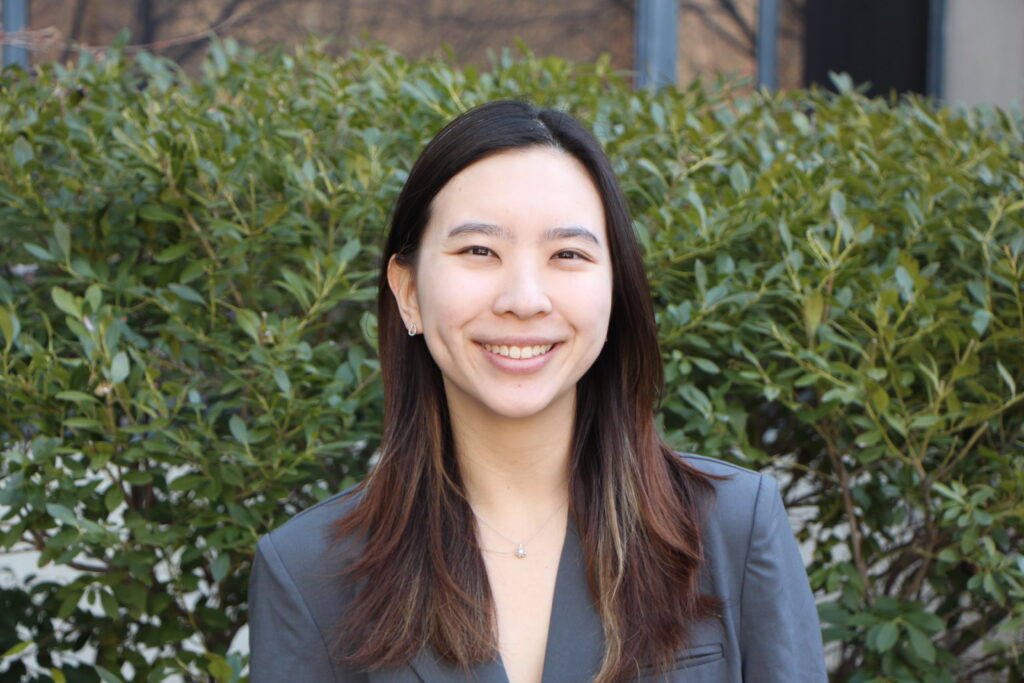
I am an incoming sophomore from Brookline, Massachusetts studying Applied Mathematics with a focus in Economics and a secondary in Global Health and Health Policy. At Harvard, I hope to explore public health and healthcare legislation through an economic lens, investigating the structure and sustainability of healthcare systems in various regions as well as pathways to health equity and expanding accessibility. I am also highly interested in mathematical modeling of disease pathogenesis and optimize therapy dosing and schedules, especially for personalized medicine applications. On campus, I am involved in the Policy Program at the Institute of Politics, Harvard MIHNUET (Music in Hospitals and Nursing Homes Using Entertainment as Therapy), Model UN, and the Charles River Economics Labs. In my free time, I enjoy playing squash, playing the violin, and exploring cafes around Boston with friends.
This summer at BHP, I am focusing on two lab-based projects. On the computational side, I am analyzing pathogenic sequences found in wastewater samples collected across Botswana to assess the sensitivity, accessibility, and potential of wastewater-based surveillance as an early public-health warning system.
In the wet lab, I am working on sequencing over 300 COVID-positive samples in preparation for mutational analysis to uncover what selective pressures various types of vaccines placed on the SARS-CoV-2 virus that allow for breakthrough infections. This project has given me the chance to engage with a comprehensive research process, from sample selection to nucleic acid extraction and quantification, to library preparation and running next-generation sequencing through both Oxford Nanopore and Illumina.
Beyond the lab, I have also had incredible opportunities to shadow physicians both on in patient floors and in the operating theater while gaining insight into Botswana’s hospital and medical education systems. The supportive and welcoming community at BHP has made this experience truly enriching and allowed me to broaden my perspectives on various facets of healthcare systems and decision-making as well as the power of cross-disciplinary collaboration in biomedical research.

My name is Suheila Mukhtar, and I am a rising senior at Harvard from Arlington, VA concentrating in Human Developmental & Regenerative Biology with a secondary in Global Health & Health Policy. I chose to study this field because of the rapid advancements in stem cell research and therapeutics, which I find incredibly exciting. I am particularly passionate about maternal health and how medicine can be used as a powerful tool for global development. My goal for this internship is to learn more about how healthcare solutions can adapt to low-resource settings in East Africa, a region I am interested in. At Harvard, I am an EMT with CrimsonEMS and an Indigo Peer Counselor. I also conduct research at the Stanford Muslim Mental Health & Islamic Psychology Lab. A fun fact about me is that I am ethnically from Morocco and Sudan.
This summer, I have been interning at Touch Health in Mwanza, Tanzania. I am working on the SimuConsult program, which is a telehealth consultation service for people in rural areas. With over 70% of Tanzania’s population living in rural areas, this program aims to address and overcome geographic barriers to accessing healthcare. Currently, I am working on monitoring and evaluating existing sites to see how cost-effective they are, in addition to examining patient and non-patient surveys to see if this service is received. I am also supporting organization and planning for the launch of additional teleconsultation sites in the Lake Zone region.
Hello! My name is Tina Chen, and I’m originally from Fuzhou, China, though I moved to the U.S. later for education. I’m currently studying Neuroscience and Economics at Harvard, where I’m especially interested in how behavioral and biological systems interact in healthcare decision-making. Outside of academics, I’m involved in international student organizations, and I enjoy exploring health innovation, mentoring younger students, and playing the guzheng, a traditional Chinese string instrument I’ve been learning only recently. One unique thing about me is that I love bridging research and real-world impact, whether by building a rural health chatbot or conducting interviews in remote communities.
This summer, I’m working on an oral history project focused on health and wellbeing in Mongolia’s nomadic communities. Alongside my teammate, I’m traveling through the Khentii province to interview herders about their life experiences, traditional remedies, and access to healthcare. We’re transcribing and translating these stories to build a bilingual digital archive, which we hope can inform both local dialogue and global conversations about rural health. From there, we hope to develop innovative solutions from these findings, especially that we are interested in how behavioral and environmental factors shape care-seeking decisions, and how these insights might guide future health interventions in low-resource settings.

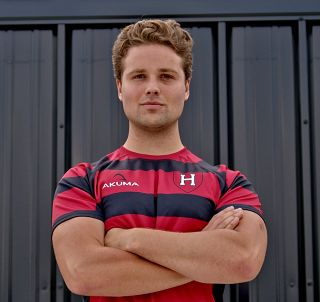
I’m an international student from Denmark concentrating in Neuroscience, jointly with Human Evolutionary Biology. Coming to Harvard, I had a particular interest in how the brain functions and what underlies human cognition. After joining the first cohort of students on the Harvard Summer Program In Kenya, I decided to incorporate HEB and explore the evolutionary factors behind the sometimes “funky” engineering of the human body. Outside of academics, I love staying active. I’ve previously completed a 100k ultramarathon and an Ironman, and I currently play for the Harvard Rugby Football Club.
I’m particularly interested in how healthcare professionals operate in rural areas and adapt to potential challenges. Beyond the professional experience, I am loving immersing myself in Rwandan culture, learning from the local community, and engaging with new perspectives. My time in Rwanda, is focused on learning from local healthcare leaders and observing how they develop innovative, community-specific solutions to unique challenges. We’re explored the value of a bottom-up approach to global health, and how community-based initiatives can effectively deliver care that truly meets people’s needs.

My name is Ye Won Ham, and I am a senior at Harvard University studying Molecular and Cellular Biology with a secondary in Global Health and Health Policy. Growing up, I was deeply fascinated by the intersection of plant-based medicine and the molecular mechanisms of natural products. This curiosity led me to pursue a concentration in MCB, allowing me to merge these interests into a cohesive field of study. I’m originally from Honolulu, Hawaii, and I grew up speaking Korean at home. In my free time, I enjoy playing golf and making pottery.
I am currently working with the Korean Medicine-Based Drug Repositioning Cancer Research Center at Kyung Hee University, focusing on herbal medicine research. My work involves exploring various molecular assays to study the effects and mechanisms of action of herbal extracts on cancer cells. For instance, I have been conducting assays such as the MTT assay to investigate the combined effects of SH003, a herbal extract, and Docetaxel on cancer cells. Through both in vivo and in vitro experiments, I am contributing to research examining the synergistic antitumor activity and immune-enhancing mechanisms of these therapies. In the latter half of my internship, I will also engage in secondary data analysis and epidemiological research with the Department of Preventive Medicine.

I’m a rising sophomore originally from Brentwood, California studying Neuroscience with a secondary in Global Health and Health Policy. At Harvard, I am apart of the Harvard Undergraduate Global Education Movement, and my research focuses on adolescent health and health systems innovation. I’m super passionate about advancing public health in underserved communities and am excited to work on strengthening the integrated treatment and care of Hepatitis this summer in Vietnam. In my free time, I enjoy going on hikes, urban adventures, and just eating good food!
During my internship, I’ve been supporting the StITCH project in Vietnam, which focuses on strengthening the integrated treatment and care for Hepatitis. . I’ve been co-leading data analysis on patient surveys, working on pre- and post-test evaluations for training programs, and contributing to patient experience studies. Throughout the internship, I’ve also gotten to participate in field visits to local district hospitals and go to the Vietnam’s Healthcare Innovation Forum!