Fall 2024 Cohort
Increasing the Resilience of Threatened Health Systems
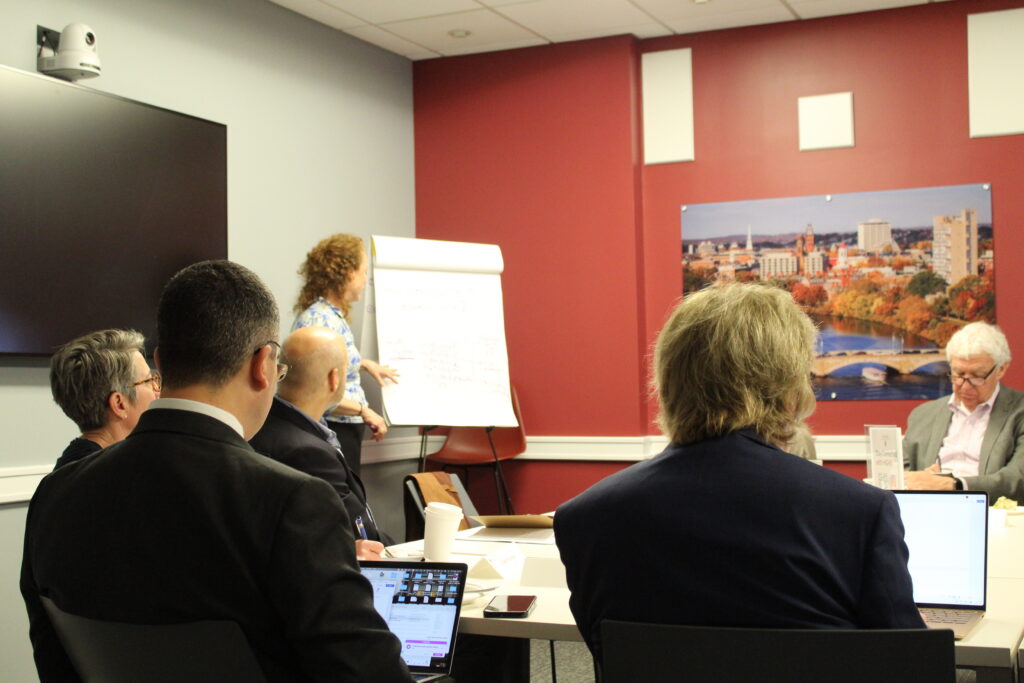
Led by Margaret Bourdeaux, Assistant Professor at Harvard Medical School and in Brigham and Women’s Hospital’s Division of Global Health Equity, this Scholarly Working Group examines how health systems can prevent, prepare for, and mitigate disruptions caused by armed conflict, hybrid warfare, and climate change-related crises. Bringing together interdisciplinary expertise from Eastern Europe, including deep expertise from colleagues in Ukraine, the group is developing a standardized health systems vulnerability assessment tool to understand how civilian health systems may be affected by a range of conflict and crisis scenarios.
The group’s work focuses on identifying vulnerabilities across critical health system functions, including financing, governance, information systems, and workforce retention, and developing stress tests that can help health system leaders assess resilience under extreme strain. The goal is to strengthen preparedness and inform strategies for protecting civilian health systems and the communities they serve in settings facing evolving security threats.
Read more about their work
Enhancing the Resilience of Europe’s Civilian Health Systems as Conflict with Russia Escalates
Environmental Pressures on Malaria
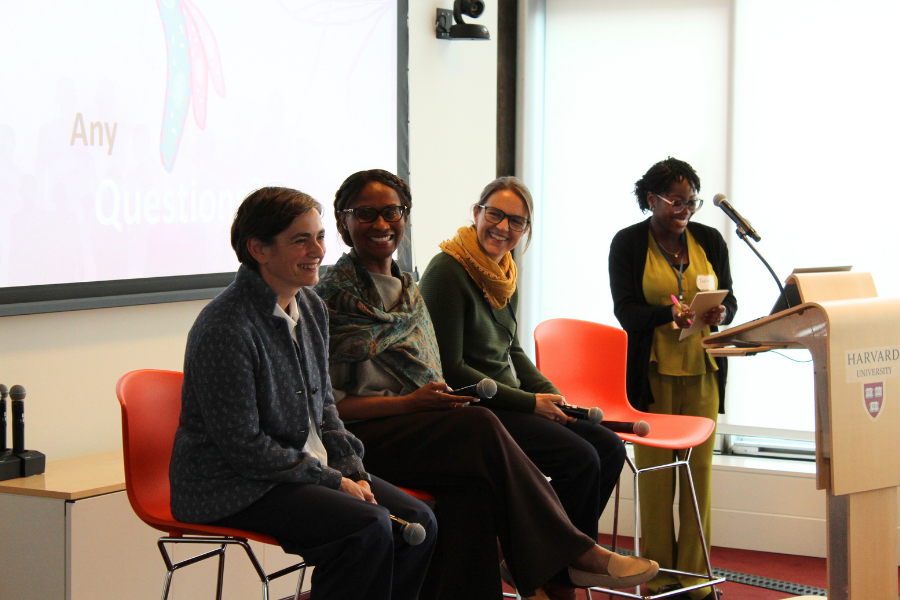
Co-led by Flaminia Catteruccia, Professor in the Department of Immunology and Infectious Diseases, and Daniel Edward Neafsey, Associate Professor of Immunology and Infectious Diseases at the Harvard T.H. Chan School of Public Health, the Environmental Pressures on Malaria Scholarly Working Group examines how environmental changes and pressures influence malaria transmission and the effectiveness of current control strategies. The group brings together researchers across disciplines to explore the biological, environmental, and social factors shaping malaria prevention, control, and elimination efforts.
Working Group Members
Kelsey Adams — Visiting Scientist, Department of Immunology and Infectious Diseases, Harvard T.H. Chan School of Public Health
Marcia Castro — Andelot Professor of Demography, Department of Global Health and Population, Harvard T.H. Chan School of Public Health
Abdisalan Noor — Visiting Scientist, Department of Immunology and Infectious Diseases, Harvard T.H. Chan School of Public Health
Christina Warinner — Professor of Anthropology and Human Evolutionary Biology, Harvard University
Symposium
The group convened a symposium titled, “Malaria in a Changing World: Past Lessons, Present Challenges, and Future Solutions”, focused on the need for more sustainable approaches to malaria control and eradication. The discussions brought together researchers and practitioners from across the basic and applied sciences, behavioral and social sciences, business, economics, and public policy, with perspectives from experts in malaria-endemic countries. The symposium highlighted the importance of integrating environmental, biological, and social factors to develop effective and locally relevant strategies for the future of malaria elimination.
Presenters: Manoj Duraisingh, Megan Michel, Dyann F. Wirth, Marcia Castro, Daniel E. Neafsey, Fitsum Tadesse, Flaminia Catteruccia, Caroline Buckee, Azza Hussein Idris
This event was co-sponsored by the Defeating Malaria: From the Genes to the Globe Initiative, the Nigerian Student Association at Harvard Chan, and the Harvard Undergraduate Premedical Society (HUPS).
Read more about their work
Malaria is gaining ground—but researchers are developing promising new solutions
Climate Change, War, and Health: Effects of Intergenerational Global Health Adaptation
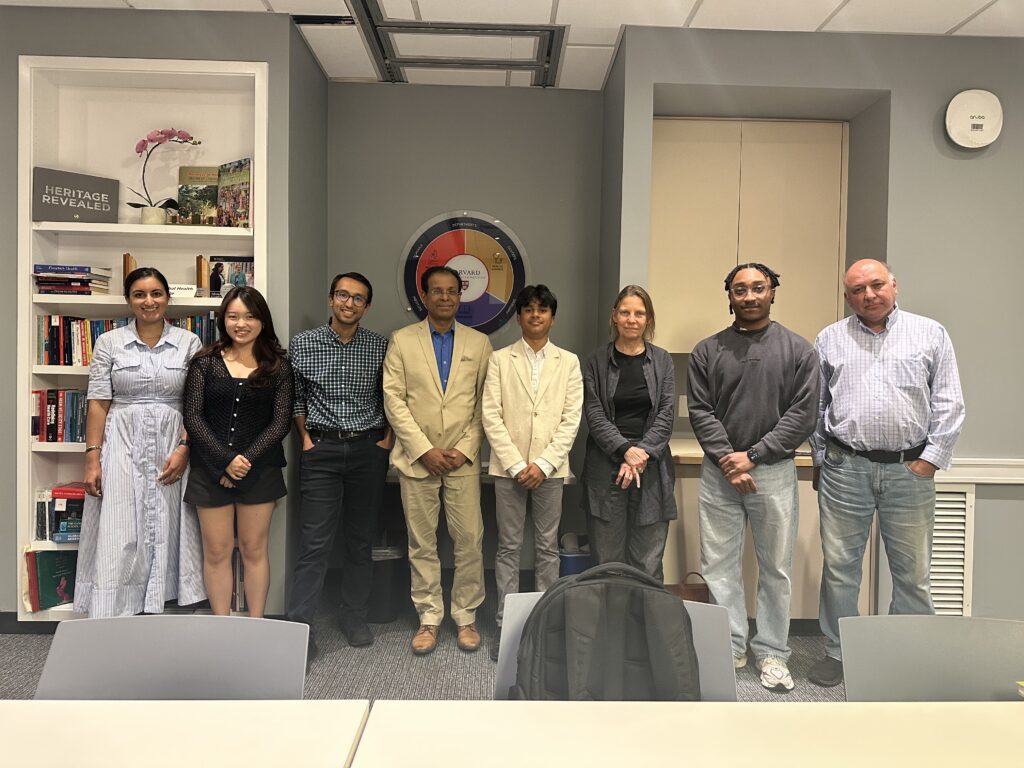
Led by Dr. Ann-Christine Duhaime, Nicholas T. Zervas Distinguished Professor of Neurosurgery at Harvard Medical School and a Faculty Associate of the Harvard University Center for the Environment, the Climate Change, War, and Health: Effects of Intergenerational Global Health Adaptation Scholarly Working Group is a cross-disciplinary group of researchers who design methods for accurately cataloging, predicting, and determining strategies to obviate the unique, long-term, and intergenerational health effects caused by war in a time of accelerating climate change.
Working Group Members
Marc Weisskopf, Harvard T.H. Chan School of Public Health
Margaret Bourdeaux, Harvard Medical School
Barrak Alahmad, Harvard T.H. Chan School of Public Health
Lindsey Burghardt, Harvard Graduate School of Education
Jennifer Leaning, Harvard T.H. Chan School of Public Health
Read more about their work
At the Heart of Climate Change, War, and Health: A Case for a Changing Public Perspective
Artificial Intelligence and Digital Innovations for Global Health
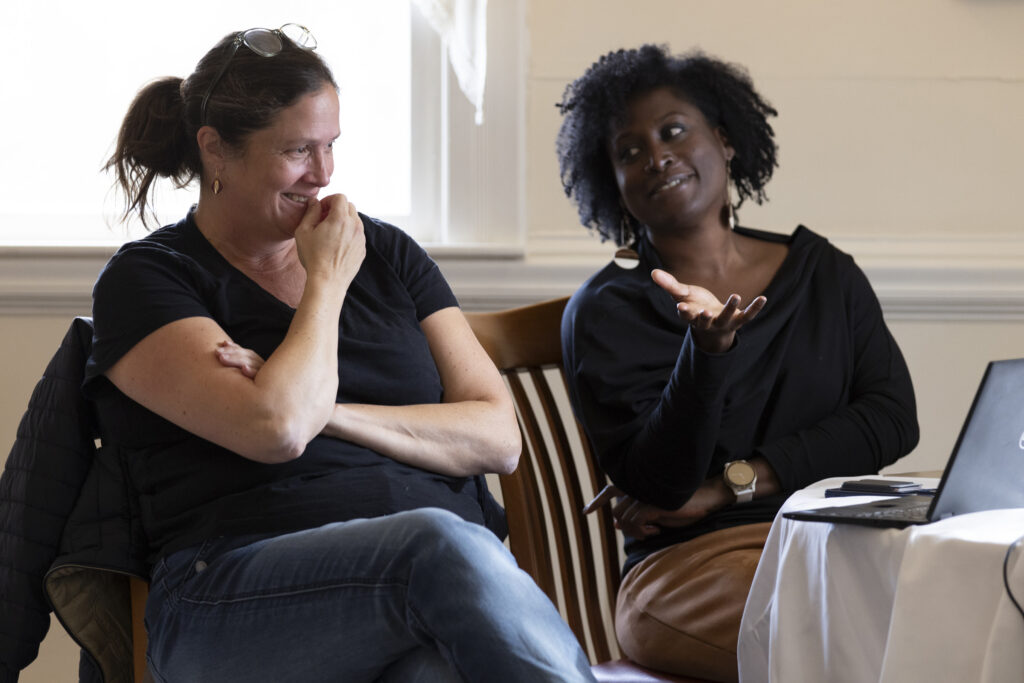
Led by Faculty Co-leads Dr. Adeline Boatin, Assistant Professor of Obstetrics, Gynecology and Reproductive Biology at Harvard Medical School and an attending physician at Massachusetts General Hospital, and Dr. Bethany Hedt-Gauthier, Associate Professor of Global Health and Social Medicine and Associate Professor of Biostatistics at Harvard T.H. Chan School of Public Health, this Scholarly Working Group examined the rapidly evolving landscape of artificial intelligence and digital innovations in global health across the Harvard community.
Through a Harvard-wide mapping exercise and community survey, the working group identified 144 faculty members engaged in AI and digital health research and gathered insights from researchers across 11 Harvard schools, affiliated hospitals, and research centers. The group’s findings highlighted key barriers to advancing the field, including institutional and regulatory challenges and limited AI technical expertise, while identifying strong demand for pilot funding, innovation hubs, and opportunities for interdisciplinary collaboration. Together, these findings provide a snapshot of Harvard’s AI and digital health ecosystem and highlight opportunities to strengthen collaboration and support responsible innovation in global health.