
June 27, 2025, 9:00 am - 10:00 am
Stating The Facts: The Rise of Misinformation and Distrust in Science
-
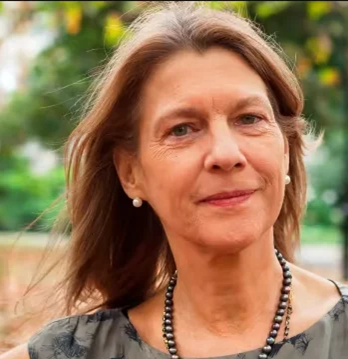 Heidi J. Larson, PhD
 -
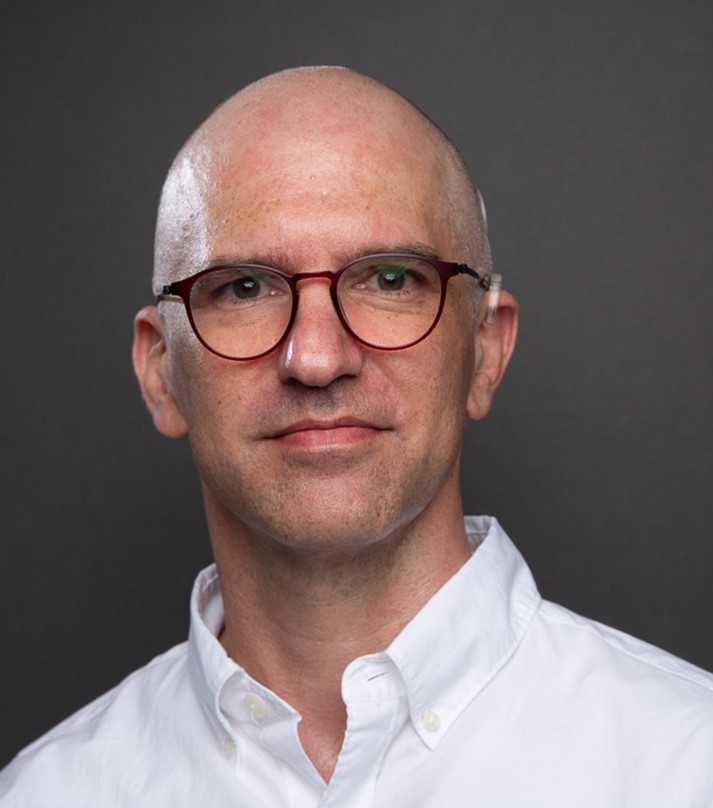 Seth Mnookin

As part of our ongoing event series, this session is dedicated to navigating the complexities of health information, misinformation, and trust. We’ll explore how to distinguish between misinformation, disinformation, and legitimate differences in opinion. Participants will gain practical tools for fact-checking health claims and evaluating sources, while also examining how shifts in media coverage influence public understanding and discourse. We’ll discuss the rise of misinformation and why and how its been impactful on health in the US and around the globe. Don’t miss this opportunity to sharpen your critical thinking skills and better understand the evolving landscape of health communications. Presented in partnership with the Harvard Center for International Development.
This event is free and open to the public.
Heidi J. Larson, PhD
Founder and Director of the Vaccine Confidence Project, and Professor of Anthropology, Risk and Decision Science, London School of Hygiene & Tropical Medicine
Professor Heidi J. Larson, PhD is Professor of Anthropology, Risk, and Decision Science and Director of the Vaccine Confidence Project at the London School of Hygiene & Tropical Medicine. Professor Larson holds a concurrent position as Clinical Professor of Health Metrics Sciences at the University of Washington. She was previously an Associate Professor in International Development at Clark University and a Research Fellow at the Harvard School of Public Health’s Center for Population and Development Studies.
Professor Larson previously headed Global Immunization Communication at UNICEF, chaired Gavi’s Advocacy Task Force, and served on the WHO SAGE Working Group on vaccine hesitancy. She is author of STUCK: How Vaccine Rumors Start – and Why They Don’t Go Away (Oxford University Press, 2020). In 2021, she was awarded the Edinburgh Medal and BBC named her as one of the 100 most influential women in the world.

Seth Mnookin
Professor of Science Writing and Director of the Graduate Program in Science Writing, Massachusetts Institute of Technology; New York Times Bestselling Author and Journalist
Seth Mnookin is a longtime journalist and science writer and was a 2019-2020 Guggenheim Fellow. Mnookin is a Professor of Science Writing and the Director of the Graduate Program in Science Writing at MIT. His most recent book, The Panic Virus: The True Story Behind the Vaccine-Autism Controversy, won the National Association of Science Writers “Science in Society” Award and the New England chapter of the American Medical Writers Association’s Will Solimene Award for Excellence. He is also the author of the 2006 New York Times bestseller Feeding the Monster: How Money, Smarts, and Nerve Took a Team to the Top. Seth’s 2014 New Yorker piece on rare genetic diseases won the American Medical Writers Association prize for best story of the year and was included in the 2015 Best American Science and Nature Writing anthology. His work has appeared in numerous publications, including STAT, New York, Wired, The New York Times, Vanity Fair, The Washington Post, The Boston Globe, Spin, Slate, and Salon.com. A former music columnist for The New York Observer, he began his journalism career as a rock critic for the now-defunct webzine Addicted to Noise. He graduated from Harvard College in 1994 with a degree in History and Science and was a 2004 Joan Shorenstein Fellow at Harvard’s Kennedy School of Government.
About the Global Health Coffee Sessions
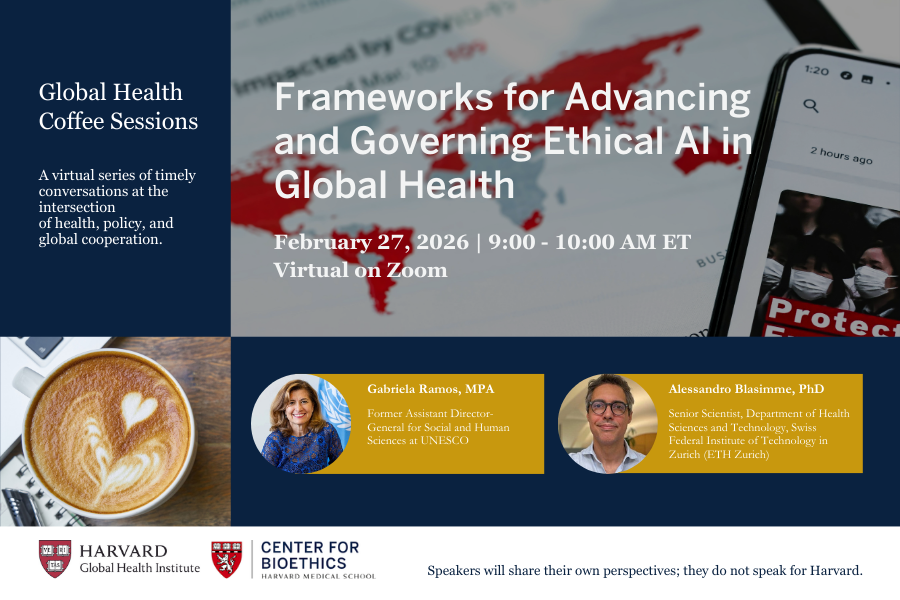
The Global Health Coffee Sessions virtual series pivots with a new lineup of timely conversations at the intersection of health, policy, and global cooperation. Held on the last Friday of each month from 9:00–10:00 AM ET, this series brings together global health experts, policymakers, and practitioners from Harvard and beyond for dynamic, forward-looking discussions.
This spring, we’ll explore how the U.S. engages with global health institutions, what its budget priorities say about its global health commitments, and how misinformation is reshaping public understanding. The series will continue with new topics and speakers throughout the year.
From multilateral health governance to budget breakdowns and media literacy, each session aims to spark thoughtful conversation, highlight real-world challenges, and offer actionable insights into the future of global health.
All sessions are hosted virtually via Zoom, recorded, and available afterward on our YouTube Channel.
The Harvard Global Health Institute provides a platform for different perspectives and debates within the field of global health through a variety of media. The views expressed in these events and programs are solely those of the speakers, authors, researchers, and participating audience. As such, they do not speak for the institute or the university.