


2026 Cohort of HGHI-Salata Burke Climate and Health Fellows
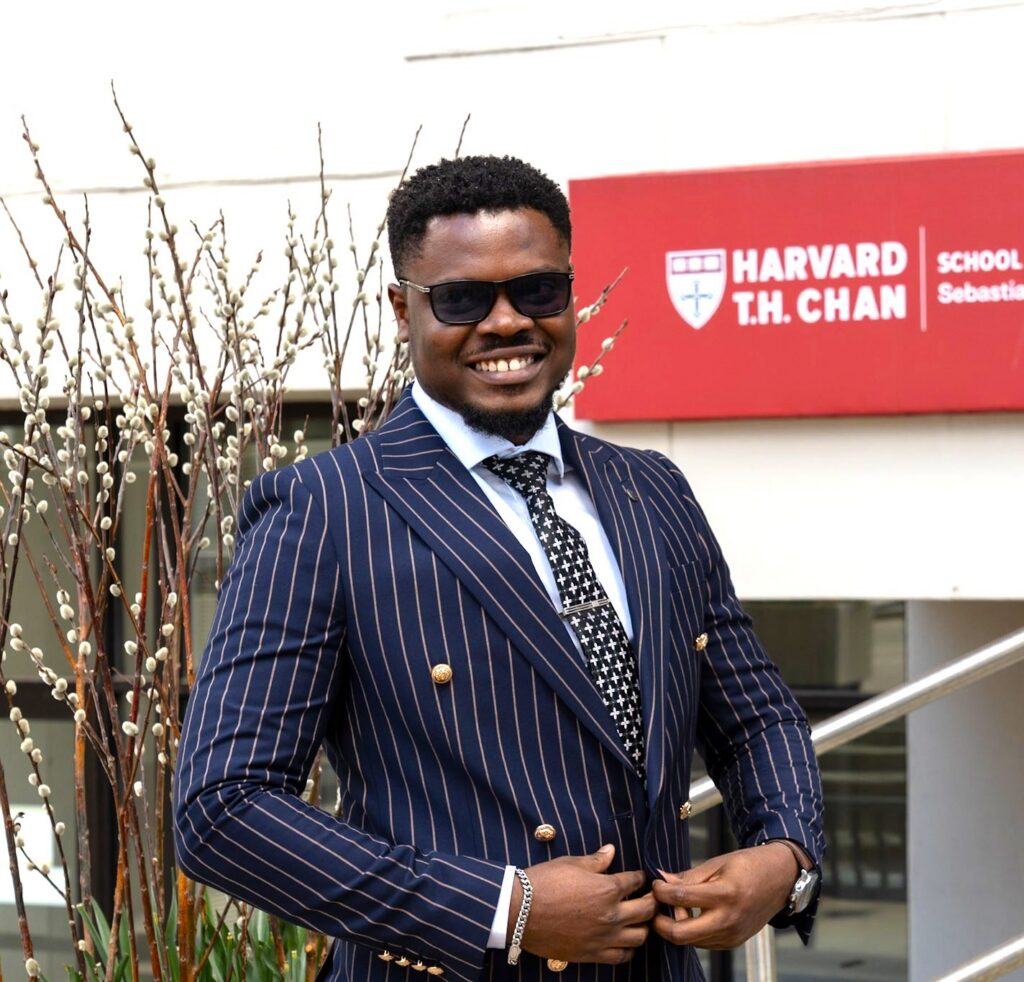
David Atomanyi Barnes
DVM, MDiv, PhD
“Engagement with the Burke Fellowship marks a significant turning point in my development as a global health leader, where basic science, climate change, and global health policy are treated as interconnected domains. It will enable me to integrate my molecular training with systems-oriented thinking shaped by climate variability, environmental change, and their social and policy consequences, advancing work at the interface of discovery and implementation. Through mentorship and exchange, the Fellowship will strengthen my ability to bridge biological insight with climate-relevant policy and implementation realities. I believe breakthroughs at the bench matter little if they never reach the populations most affected, just as policies that overlook biology and climate-sensitive disease dynamics risk missing key drivers of disease. This experience will deepen my capacity to generate more equitable, actionable global health solutions.”
– David A. Barnes
Dr. David A. Barnes is a veterinary scientist and infectious disease researcher working at the intersection of zoonotic diseases, genomics, climate, and global health. Originally from Ghana, he trained as a Doctor of Veterinary Medicine at the University of Ghana and completed his PhD in Infectious Diseases at Hokkaido University, Japan, where his research focused on the molecular epidemiology and population genomics of Mycobacterium bovis and zoonotic tuberculosis in West Africa. David was a Takemi Fellow in International Health (2025–2026) at Harvard T.H. Chan School of Public Health, where he worked across global health and infectious disease research.
His research integrates genomic epidemiology, One Health approaches, and community-informed public health strategies to better understand how environmental and structural factors shape infectious disease risk. His work has contributed to understanding the diversity and transmission dynamics of zoonotic tuberculosis in Africa and aims to strengthen locally led research capacity and evidence-based policy development. Through the HGHI–Salata Burke Climate and Health Fellowship, David will investigate how climate change influences zoonotic tuberculosis risk in Ghana and explore practical approaches to improve surveillance, preparedness, and climate-resilient health systems in vulnerable communities.
Project Title: Climate Change, Zoonotic Tuberculosis, and Health Inequities in Ghana: One Health Interface Risks
Project Description: Climate change is intensifying zoonotic disease (zTB) threats in low-resource settings by altering ecosystems, livestock mobility, and human-animal interactions. This project examines how climate variability influences zTB transmission dynamics through three objectives: (1) synthesize global evidence on how extreme weather events affect zTB transmission and extrapolate these findings to identify climate-sensitive hotspots, (2) assess the vulnerability and adaptive capacity of smallholder farmers most at risk of climate and disease-related shocks, and (3) co-develop participatory surveillance and early-warning tools with communities to strengthen detection and response to zTB under changing climate conditions. By combining climate science, participatory epidemiology, and disease modelling, this interdisciplinary work will generate context-specific evidence to inform Ghana’s National Adaptation Plan for climate change and enhance preparedness for zoonotic disease emergence. The project also contributes to the growing field of climate–health research, advancing equitable resilience strategies at the intersection of global health and climate adaptation.
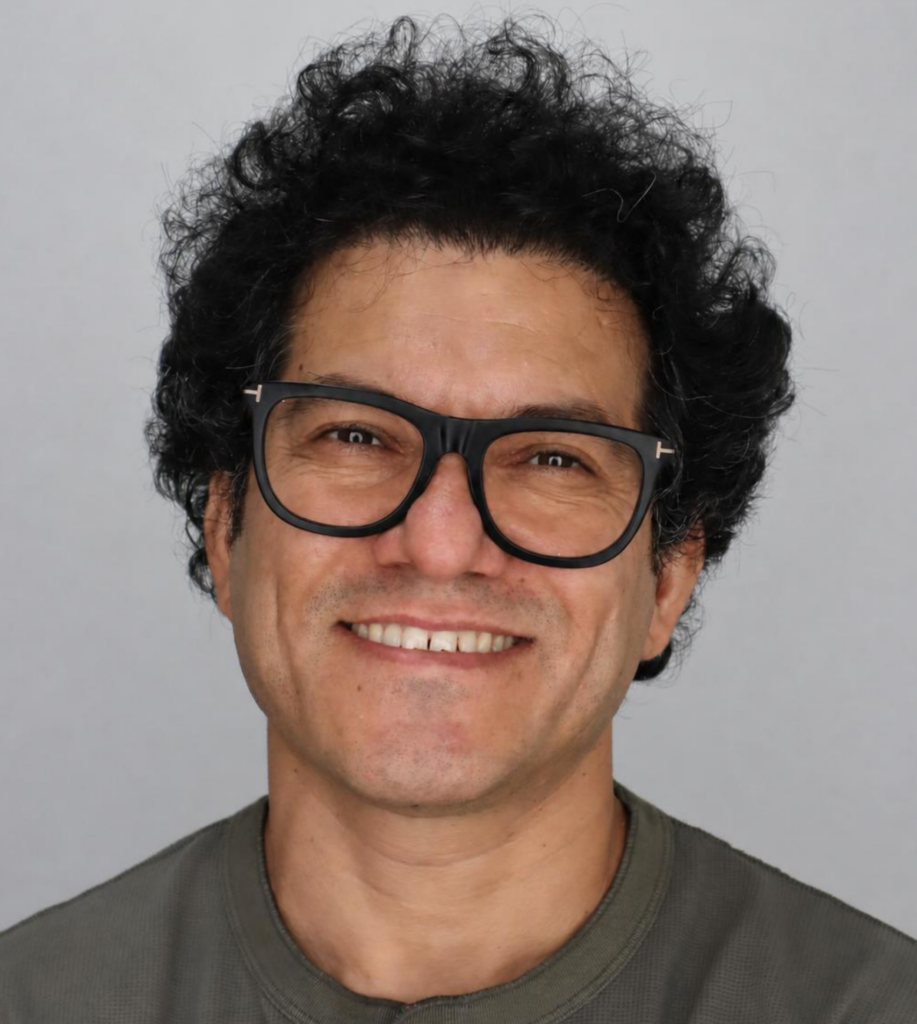
Hassan Pishahang
PhD
“The Burke Climate and Health Fellowship will allow me to transform a design-led investigation of materials into a more rigorous, health-centered research program. My interest in climate-responsive shelter systems is rooted partly in my experience growing up within a Qashqai nomadic community, where material environments were lightweight, mobile, and continuously responsive to heat, airflow, and moisture. Through the Fellowship, I will connect this experiential knowledge with biomaterials research, environmental performance analysis, and public health frameworks. The mentorship and interdisciplinary community at HGHI will be especially valuable in helping me evaluate not only how bio-based shelter systems perform technically, but also how they affect comfort, environmental control, and psychological well-being. This support will strengthen my development as a researcher and help establish a long-term agenda focused on climate-responsive material systems for populations living in temporary, mobile, and resource-variable environments.”
– Hassan Pishahang
Hassan Pishahang is an award-winning designer, researcher, and educator whose work has evolved through more than fifteen years of engagement with materials, fabrication, and design. He began his professional career working with advanced composites, polymers, concrete, and other industrial materials, developing expertise in material formulation, mold making, prototyping, and the fabrication of complex forms.
Through this experience, Pishahang became increasingly aware of the environmental consequences associated with conventional material production and disposal. This realization led him to redirect his practice toward more sustainable material systems and to investigate how biological materials could be integrated into design and fabrication.
Working with biomaterials introduced a different set of challenges. Unlike standardized industrial materials, living and bio-based materials are variable, responsive, and not always fully controllable. His research therefore explores new ways of designing with material behavior rather than imposing predetermined forms upon it. He has developed and tested advanced mold-making techniques, computationally designed scaffolds, and hybrid fabrication systems that support and guide the growth of materials such as mycelium and plant roots.
By connecting his industrial fabrication background with biomaterial research, computational design, and environmental performance, Pishahang seeks to develop lower-impact material systems that respond more closely to ecological conditions and human needs. He also brings more than a decade of university-level teaching experience, and his design and research work has received multiple international awards and has been presented through international design and computational-design venues.
Project Title: Climate-Responsive Bio-Integrated Shelter Systems for Health in Mobile and Temporary Living Environments
Project Description: Climate change is increasing health risks for people living in temporary and mobile environments, including refugee camps, post-disaster shelters, and other non-permanent settings. These environments often expose occupants to extreme heat, poor ventilation, limited environmental control, and sustained psychological stress. Many existing shelter systems rely on synthetic materials that can trap heat, restrict airflow, and create uncomfortable indoor conditions.
This project investigates how bio-based textile materials can be developed as adaptive environmental systems that support both physical and psychological well-being. Rather than treating textiles as passive enclosure materials, the research explores how animal- and plant-based fibers can function as responsive membranes that regulate heat, airflow, and moisture.
The study combines material characterization, computational environmental modeling, modular prototyping, and user-centered evaluation. It will examine material properties such as thermal performance, porosity, air permeability, and moisture responsiveness, then translate those findings into lightweight and scalable shelter systems.
The project aims to develop low-carbon, climate-responsive design strategies that improve thermal comfort, increase occupants’ sense of environmental control, and reduce climate-related stress. Its broader goal is to establish transferable design principles for healthier temporary and mobile living environments across diverse humanitarian and climate-exposed contexts.