

HGHI Announces 2026–2027 Scholarly Working Groups on Student Mental Health, Arctic Housing, and Postpartum Hemorrhage
The Harvard Global Health Institute (HGHI) is pleased to announce its 2026–2027 cohort of Scholarly Working Groups. Now entering its third year, the program brings together Harvard faculty, researchers, and practitioners from across disciplines to advance collaborative research and address complex global health challenges.
This year’s working groups will examine university student mental health through cross-national qualitative research, explore housing as critical health infrastructure in climate-vulnerable Arctic communities, and advance evidence, policy, and implementation efforts to improve postpartum hemorrhage care in low-resource settings.
2026–2027 Scholarly Working Groups
Group 1: Convening the World Mental Health International College Student Qualitative Study Collaborators

Faculty leading their efforts: John Naslund, Instructor of Global Health and Social Medicine, Harvard Medical School; Co-Director, Mental Health for All Lab, Harvard Medical School
This Working Group will advance a global qualitative research agenda on university student mental health by building on the World Mental Health International College Student (WMH-ICS) Qualitative Study. Drawing on an existing collaboration of researchers and partners from 14 countries, the group will use qualitative evidence to deepen understanding of how students experience and interpret mental health challenges, navigate stigma and social networks, recognize the need for care, and make decisions about formal and informal sources of support across diverse social and cultural contexts.
Group 2: Strengthening the Housing and Health Security of Arctic Communities

Faculty leading their efforts:
N. Stuart Harris, Chief, Division of Wilderness Medicine, Mass General Hospital; Associate Professor of Emergency Medicine, Harvard Medical School
John Holdren, Teresa and John Heinz Professor of Environmental Policy (Emeritus), Harvard Kennedy School; Co-Director, Science, Technology, and Public Policy Program, Belfer Center for Science and International Affairs, Harvard Kennedy School
Henry Lee, Jassim M. Jaidah Family Director, Environment and Natural Resources Program, Harvard Kennedy School; Co-Chair, Arctic Initiative, Belfer Center for Science and International Affairs, Harvard Kennedy School
This Working Group will examine housing as a critical determinant of health, health systems, emergency preparedness, and community resilience in the North American Arctic. Focusing primarily on northwest Alaska and Nunavut, the group will explore how housing functions as frontline health infrastructure in remote communities facing climate change, high costs of living, fragile supply chains, extreme weather, geographic isolation, and limited access to health care and other essential services.
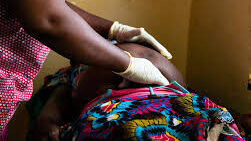
Group 3: Uterine Suction Tamponade for Postpartum Hemorrhage in Low-Resource Settings: Convening Evidence, Policy, and a Pathway to Scale
Faculty leading their efforts: Sarah Jean Hanson, Director of Global Health Programs, Beth Israel Deaconess Medical Center; Instructor in Obstetrics, Gynecology and Reproductive Biology, Harvard Medical School
This Working Group will advance the evidence, policy, and implementation pathway for uterine suction tamponade as a treatment for postpartum hemorrhage in low-resource settings. Bringing together Harvard faculty with expertise across medicine, public health, economics, and policy, as well as clinical partners in affected health systems, the group will synthesize evidence, develop policy recommendations, support frontline provider education, and lay the groundwork for a multicenter randomized controlled trial. The group will also develop a virtual education curriculum and host a live flipped-classroom conference for frontline obstetric providers across sub-Saharan Africa and South Asia, with the curriculum to be freely accessible following the conference.
For more information about the 2026–2027 cohort and previous Scholarly Working Groups, visit the Scholarly Working Groups webpage.