Between 2020 and 2022, the authors found that out of the $170.9 billion disbursed in global COVID-19 assistance, 60 percent was issued as loans, while less than nine percent reached partner governments as grants.
Reaching these figures was far from straightforward: publicly available estimates of COVID-19 funding ranged from $136 billion to $21 trillion, exposing how fragmented and opaque global aid data remains. The analysis calls for improved transparency and real-time reporting of official development assistance to strengthen donor accountability and national planning.
“Our new analysis of COVID-19 donor funding reveals a profound disconnect between the rhetoric of global solidarity and the reality: most official development assistance was issued as loans, and direct support to partner governments was minimal. The absence of timely reporting underscores a major accountability gap, undermining aid effectiveness commitments.”
As global development budgets contract, the authors emphasize that these lessons are more urgent than ever. Transparent, predictable, and government-aligned aid systems are essential if countries are to respond to future crises with clarity and confidence.
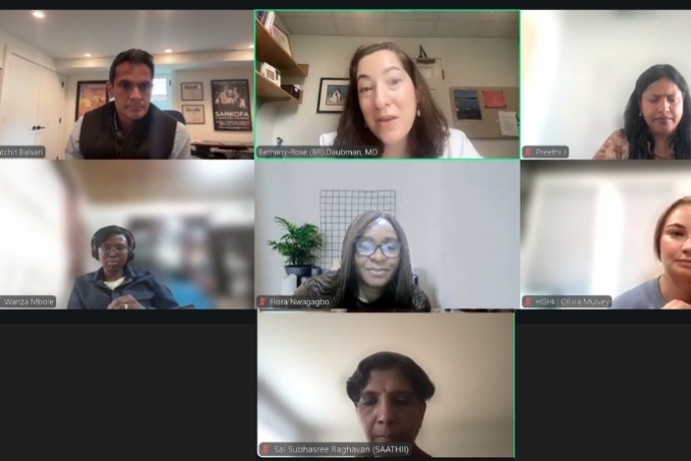
At a recent Harvard LEAD Fellowship alumni workshop, 12 fellows from 10 countries explored with Satchit Balsari how global health leaders can address the growing public health challenge of heat.
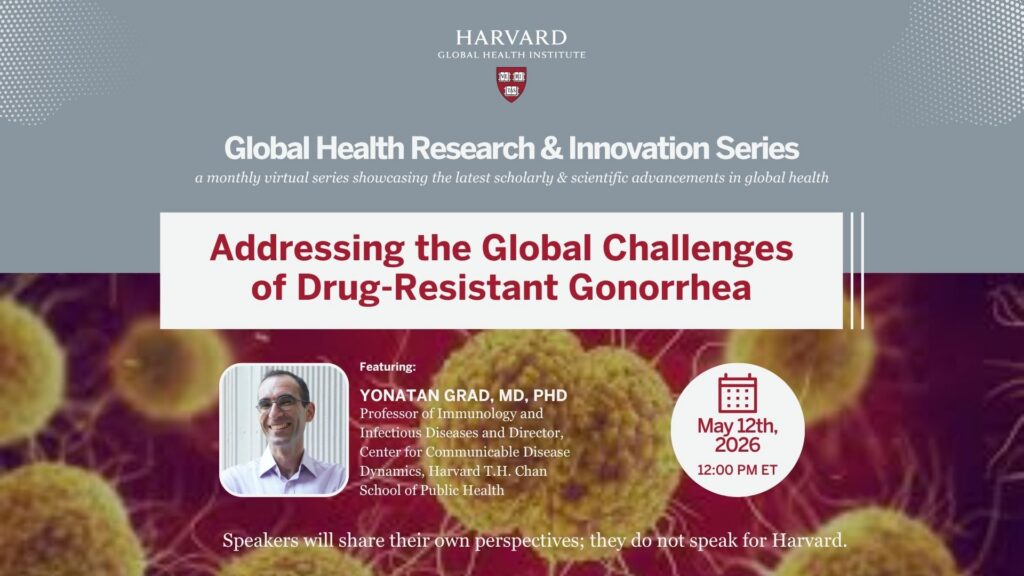
Yonatan Grad, Professor at Harvard T.H. Chan School of Public Health, discusses how drug-resistant gonorrhea highlights broader challenges in antimicrobial resistance.
In this talk, Professor Yonatan Grad presents recent advances in the diagnosis, treatment, and prevention of gonorrhea, and discusses emerging frameworks for optimizing implementation and rollout strategies in diverse healthcare settings.