RECORDING: Stating The Facts: The Rise of Misinformation and Distrust in Science
This conversation explores the growing challenge of health misinformation—why it spreads, how it takes hold, and what we can do about it. The speakers share practical tools for fact-checking health claims, evaluating sources, and understanding how media and trust shape public perception.
Featuring:
Heidi J. Larson, PhD, Founder and Director of the Vaccine Confidence Project, and Professor of Anthropology, Risk and Decision Science, London School of Hygiene & Tropical Medicine
Seth Mnookin, Professor of Science Writing and Director of the Graduate Program in Science Writing, Massachusetts Institute of Technology; New York Times Bestselling Author and Journalist
Moderator: Louise C. Ivers, MD, MPH, DTM&H, Faculty Director, Harvard Global Health Institute
Key Points
Distinguishing misinformation vs. disinformation; evolving dynamics in scale, tech, and society
Helping the public identify credible vs. non-credible sources of health evidence
COVID-19’s impact on trust in government, science, and vaccines
When scientific authority is viewed through ideological vs. evidence-based lenses
Rumors as indicators of deeper concerns; the value of individual anecdotes
U.S. influence on global health trust and perceptions, especially in Europe
Identifying credible messengers in today’s complex media environment
The role of influencers, amplification at the community level, and echo strategies
Challenges of trust and health communication in politically or resource-strained settings
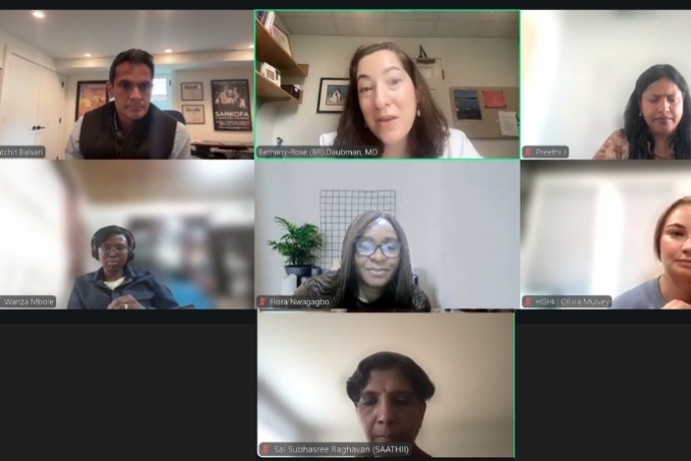
At a recent Harvard LEAD Fellowship alumni workshop, 12 fellows from 10 countries explored with Satchit Balsari how global health leaders can address the growing public health challenge of heat.
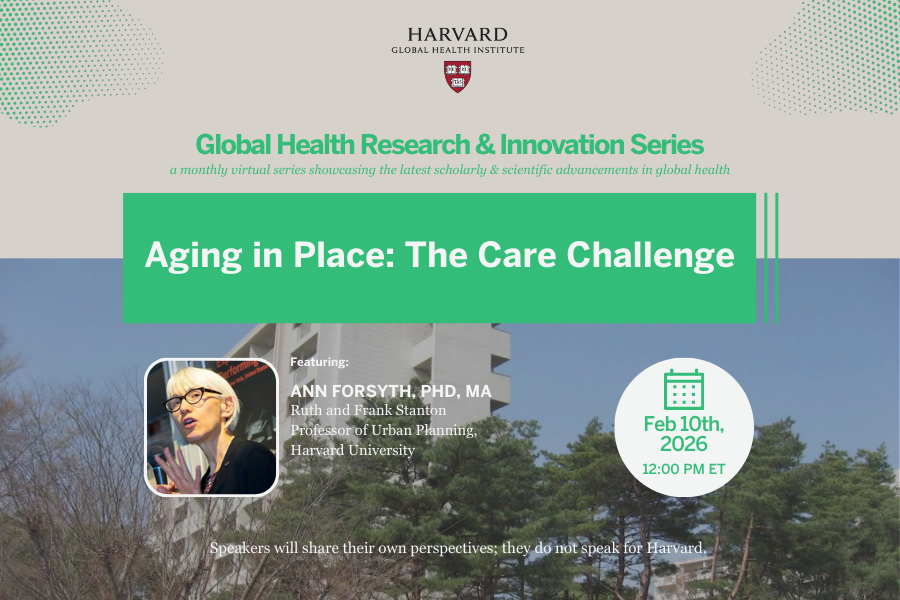
In this talk, Professor Ann Forsyth explores how the built environment can support older adults who wish to remain in their homes and communities as they age.
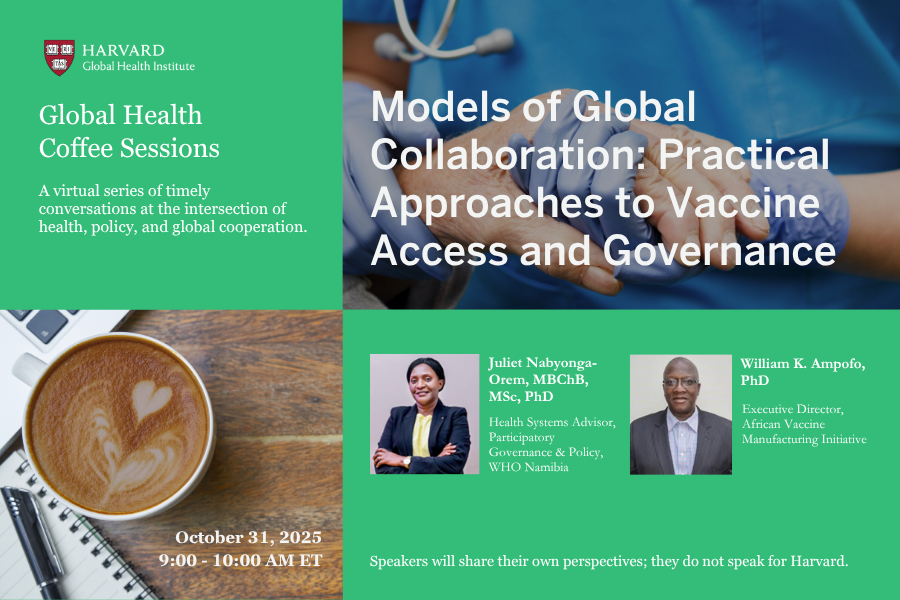
This panel explores how nations are advancing local vaccine manufacturing to accelerate health equity, offering insights into what national ownership looks like for vaccine development and distribution today, especially as traditional donor support declines.