  Array
(
    [SERVER_SOFTWARE] => nginx
    [REQUEST_URI] => /engage-with-us/student-engagement/student-funding-internship/cohort-2026/
    [USER] => fpm200111
    [HOME] => /home/fpm200111
    [WPENGINE_ACCOUNT] => harvardhealth
    [WPENGINE_PHPSESSIONS] => on
    [WPENGINE_DB_SESSIONS] => off
    [HTTP_X_UA_ORIGINAL] => Mozilla/5.0 AppleWebKit/537.36 (KHTML, like Gecko); compatible; ChatGPT-User/1.0; +https://openai.com/bot
    [SCRIPT_NAME] => /index.php
    [CONTENT_LENGTH] => 0
    [IS_WPE] => 1
    [HTTP_CF_JA4] => t13d1712h2_5b57614c22b0_ef7df7f74e48
    [HTTP_CF_CONNECTING_IP] => 9.129.53.1, 9.129.53.1, 9.129.53.1
    [HTTP_X_CACHE_GROUP] => normal
    [HTTP_CF_IPCOUNTRY] => ID
    [HTTP_X_WPE_SSL] => 1
    [HTTP_HOST] => globalhealth.harvard.edu
    [HTTP_CF_JA3_HASH] => f5bd742fa88333052a1deec09f821012
    [HTTP_X_EFPC_ENABLED] => true
    [HTTP_X_FORWARDED_HOST] => globalhealth.harvard.edu
    [PHP_ADMIN_VALUE] => newrelic.appname=harvardhealth;
newrelic.browser_monitoring.auto_instrument=off;
newrelic.enabled=off;
newrelic.license=;
sendmail_path=/bin/sendmail-wrapper.sh 79e309318abe46fb70c4b52b782c479d04ddf08b /usr/sbin/sendmail -t -i;
syslog.ident=phperr-harvardhealth;

    [REMOTE_ADDR] => 9.129.53.1
    [HTTP_CF_RAY] => a4b0ff940d38008f-ATL
    [HTTP_X_ENVOY_EXPECTED_RQ_TIMEOUT_MS] => 15000
    [REQUEST_METHOD] => GET
    [REDIRECT_STATUS] => 200
    [HTTP_X_WORDPRESS_TYPE] => DEFAULT
    [HTTP_X_WPE_LOCAL_SSL] => 1
    [HTTP_X_REQUEST_ID] => 20c55f92-66d3-4501-b915-9b6c02e35fb0
    [HTTP_X_IS_BOT] => 1
    [HTTP_CF_THREAT_SCORE] => 0
    [HTTP_X_FORWARDED_PROTO] => https
    [SERVER_NAME] => globalhealth.harvard.edu
    [SCRIPT_FILENAME] => /nas/content/live/harvardhealth/index.php
    [SYSLOG_IDENT] => phperr-harvardhealth
    [PHP_VALUE] => upload_max_filesize=50M;
post_max_size=100M;

    [DOCUMENT_URI] => /index.php
    [SERVER_PORT] => 80
    [HTTP_VIA] => 1.1 pod-403756 (Varnish/8.0)
    [DOCUMENT_ROOT] => /nas/content/live/harvardhealth
    [SERVER_ADDR] => 127.0.0.1
    [HTTP_USER_AGENT] => Mozilla/5.0 AppleWebKit/537.36 (KHTML, like Gecko); compatible; ChatGPT-User/1.0; +https://openai.com/bot
    [HTTP_X_WPE_CLUSTER_ID] => 403756
    [HTTP_X_WPE_INSTALL_NAME] => harvardhealth
    [PATH_INFO] =>
    [QUERY_STRING] =>
    [REMOTE_PORT] =>
    [HTTP_ACCEPT_LANGUAGE] => en-US,en;q=0.9
    [HTTP_CDN_LOOP] => cloudflare; loops=1
    [HTTP_X_WPENGINE_PHP_VERSION] => 8.2
    [HTTP_X_REAL_IP_REMOTE] => 172.71.31.168
    [PATH_TRANSLATED] => /nas/content/live/harvardhealth/index.php
    [GATEWAY_INTERFACE] => CGI/1.1
    [HTTPS] => on
    [HTTP_X_WPE_EDGE] => AN
    [HTTP_X_WPE_REQUEST_ID] => 3b96a0bc17bfda881ebf3be48d7f7c29
    [HTTP_CF_VISITOR] => {\"scheme\":\"https\"}
    [REQUEST_SCHEME] => http
    [HTTP_ACCEPT_ENCODING] => gzip
    [CONTENT_TYPE] =>
    [HTTP_CF_BOT_SCORE] => 1
    [HTTP_RAWHOST] => globalhealth.harvard.edu
    [SERVER_PROTOCOL] => HTTP/1.1
    [HTTP_CF_VERIFIED_BOT] => true
    [HTTP_ACCEPT] => text/html,application/xhtml+xml,application/xml;q=0.9,image/avif,image/webp,image/apng,*/*;q=0.8,application/signed-exchange;v=b3;q=0.9
    [HTTP_WPE_READONLY] => on
    [FCGI_ROLE] => RESPONDER
    [PHP_SELF] => /index.php
    [REQUEST_TIME_FLOAT] => 1792090110.27
    [REQUEST_TIME] => 1792090110
)
Meet the Harvard undergraduates in HGHI’s Summer Research and Internship 2026 Cohort. Through research placements, internships, and community-engaged opportunities, students work alongside leading organizations and professionals to explore complex health challenges and contribute to meaningful work.
The 2026 cohort represents a wide range of interests, from infectious disease, mental health, and maternal and child health to health policy, climate and health, surgical equity, and health systems strengthening. Explore the students below to learn more about their experiences, placements, and the perspectives they bring to the global health community.
HGHI Student Global Health Interns
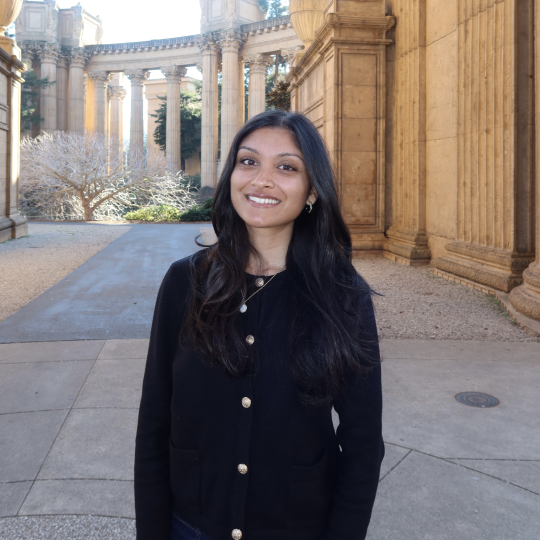


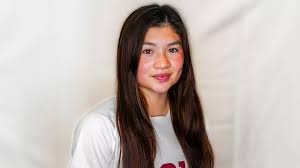
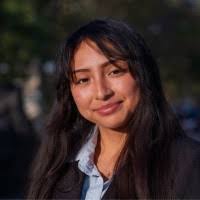
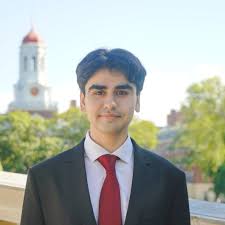
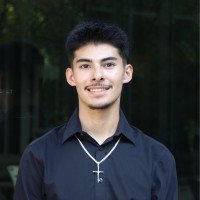
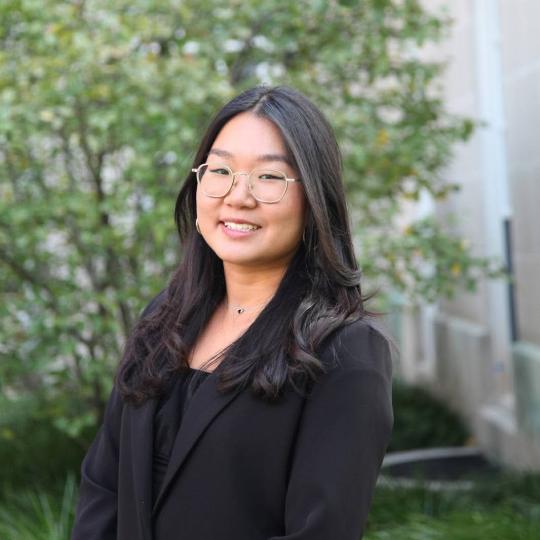
Hi, my name is Alisa and I’m originally from LaGrange, Georgia. I’m a rising junior at Harvard studying Neuroscience and Government. I’m interested in the intersection of medicine, health policy, and healthcare delivery, particularly how neuroscience can be translated across disciplines to improve health outcomes. At Harvard, I’m involved with Harvard Undergraduate Consulting on Business and the Environment and the Institute of Politics Policy Program, and I also play Quadball.
During my internship with the joint strategy team at NHS England and the Department of Health and Social Care, I supported work examining the drivers of socioeconomic and health deprivation in English coastal communities. I helped coordinate engagement across government departments, NHS England, academic partners, and other stakeholders and contributed to an evidence pack and case for change shared with senior NHS leadership and the Prime Minister’s Office. I also joined Urgent and Emergency Care site visits, where I saw firsthand how local NHS Trusts approached patient flow and healthcare delivery and brought those observations back into national strategy discussions. Through this experience, I developed a deeper understanding of the complexity of the English health system and how devolution, funding structures, geography, and the legacy of deindustrialization shape health outcomes. Most importantly, I gained a new appreciation for the challenge of translating national strategy into meaningful local action and became more interested in understanding health systems beyond the clinical setting. This summer showed me that there is no easy answer to healthcare because it is so intertwined with every aspect of life, and the fact that we don’t have the solution yet – despite all of the different models – is the reason public health work matters.
Hi, my name is Alisa and I’m originally from LaGrange, Georgia. I’m a rising junior at Harvard studying Neuroscience and Government. I’m interested in the intersection of medicine, health policy, and healthcare delivery, particularly how neuroscience can be translated across disciplines to improve health outcomes. At Harvard, I’m involved with Harvard Undergraduate Consulting on Business and the Environment and the Institute of Politics Policy Program, and I also play Quadball.
During my internship with the joint strategy team at NHS England and the Department of Health and Social Care, I supported work examining the drivers of socioeconomic and health deprivation in English coastal communities. I helped coordinate engagement across government departments, NHS England, academic partners, and other stakeholders and contributed to an evidence pack and case for change shared with senior NHS leadership and the Prime Minister’s Office. I also joined Urgent and Emergency Care site visits, where I saw firsthand how local NHS Trusts approached patient flow and healthcare delivery and brought those observations back into national strategy discussions. Through this experience, I developed a deeper understanding of the complexity of the English health system and how devolution, funding structures, geography, and the legacy of deindustrialization shape health outcomes. Most importantly, I gained a new appreciation for the challenge of translating national strategy into meaningful local action and became more interested in understanding health systems beyond the clinical setting. This summer showed me that there is no easy answer to healthcare because it is so intertwined with every aspect of life, and the fact that we don’t have the solution yet – despite all of the different models – is the reason public health work matters.
Hi, my name is Ana Cabrera Antkowiak, and I’m from San Diego, California. I’m a rising junior at Harvard studying Social Studies with a secondary in Global Health and Health Policy. I’m interested in the intersection of healthcare policy, maternal health, and immigrant rights in the United States, and I chose an interdisciplinary course of study to better understand how these issues connect. Outside of academics, I love going to the beach and being outdoors.
During my internship with the Harvard Urban Health Initiative, I supported projects focused on urban heat through website design, course planning, and qualitative research. My main project was conducting a thematic analysis of 28 “Letters to a New Heat Officer,” which captured the experiences and recommendations of heat officers and other city climate officials. I analyzed the letters to identify key challenges and strategies, with a focus on how heat officers understand their roles and what enables or constrains their work. I then helped translate these findings into a written report and memo designed to communicate lessons from the field to government officials and future heat officers. This experience strengthened my qualitative research skills and gave me a deeper understanding of how community perspectives and cross-sector coordination can shape solutions to complex urban health challenges. As I reflected on the experience, I realized that analyzing ‘Letters to a New Heat Officer’ taught me more than just how to evaluate qualitative data– I had the privilege of engaging with the perspectives of city officials who navigate the complex challenges of urban heat and are building more sustainable communities through cross-sector coordination This experience also deepened my interest in applying qualitative research and community-based approaches to the intersection of urban heat and maternal health.

Hi, my name is Anna Moon, and I’m from New York City. I’m a rising senior studying History of Science with a secondary in Global Health and Health Policy. I’m interested in the intersection of medicine, history, and policy, particularly how healthcare systems shape patient care and health equity. I’m especially interested in women’s health and infectious disease. Outside of academics, I enjoy running, traveling, exploring new places, and spending time with friends and family.
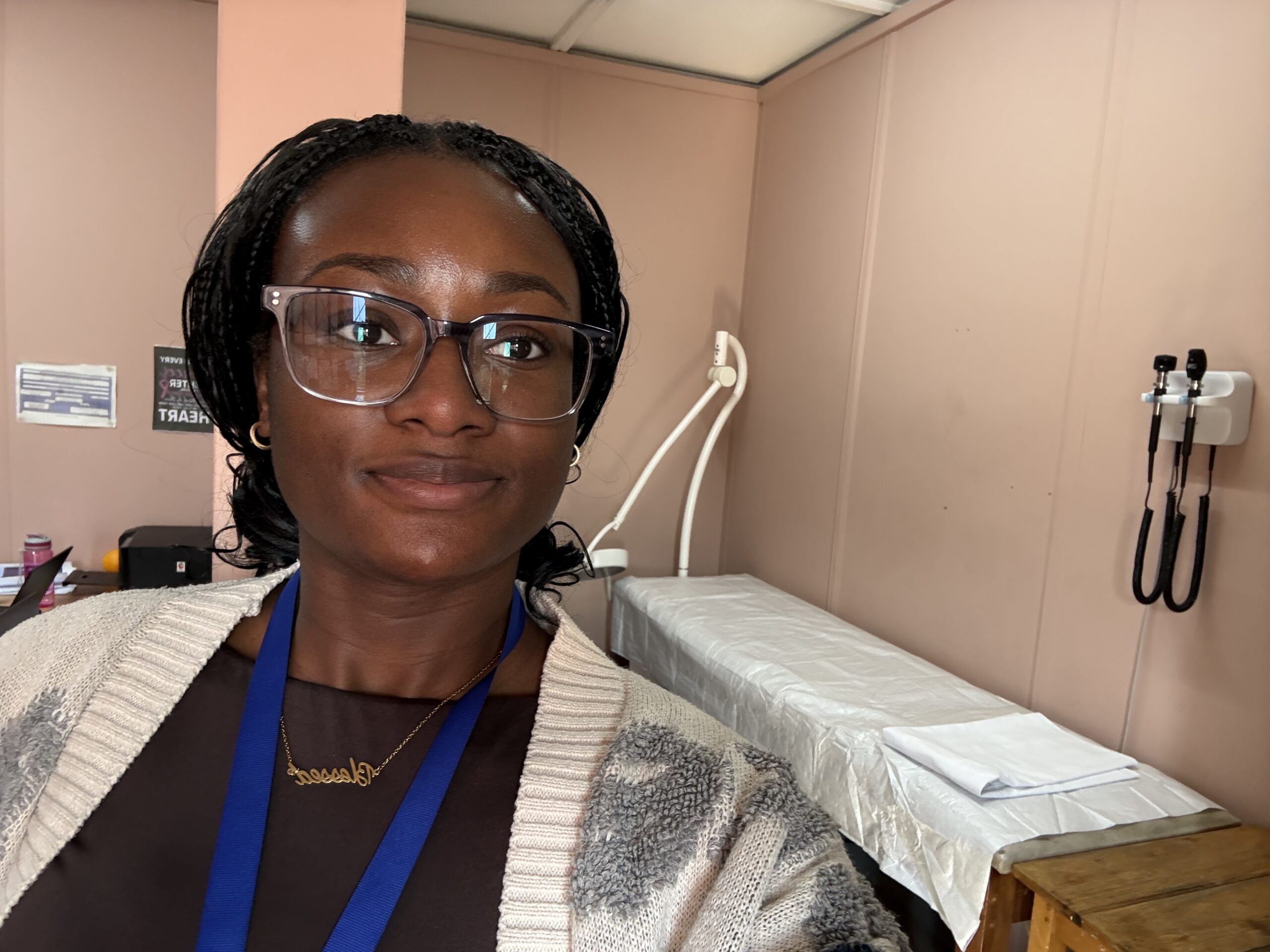
During my internship with the Botswana-Harvard Health Partnership (BHP) in Gaborone, Botswana, I supported clinical research, study development, and systematic reviews focused on global health and vulnerable populations. I worked on developing infrastructure to better support individuals living with perinatally acquired HIV and conducted a systematic review examining feasible interventions in resource-limited settings. Through visits to clinics in Ramotswa, Old Naledi, and Bontleng, I saw firsthand the realities behind the research questions I had previously encountered on paper and learned how trust, compassion, and community relationships shape clinical research. I also volunteered at a men’s sexual health clinic and attended the BHP HIV Cure Symposium, experiences that deepened my understanding of patient agency and the people behind global health research. Most importantly, my time in Botswana taught me to approach global health with humility, curiosity, and a willingness to listen and learn. As I reflected on the summer, I found that my ten weeks in Botswana gave me more than an incredible research experience; they gave me a new community, a new perspective on global health, and an experience I will carry with me for the rest of my life!
Hi, my name is Annika Krovi, and I’m from Greenville, South Carolina. I’m a rising junior at Harvard studying Social Studies with a focus field in Public Health and a Spanish language citation. I’m interested in the intersection of law, policy, and healthcare, particularly health law and policymaking in the United States. At Harvard, I’m involved with Mock Trial, Harvard Model Congress, the Institute of Politics, and public health research. Outside of academics, I enjoy reading fiction, dancing, and spending time outdoors.
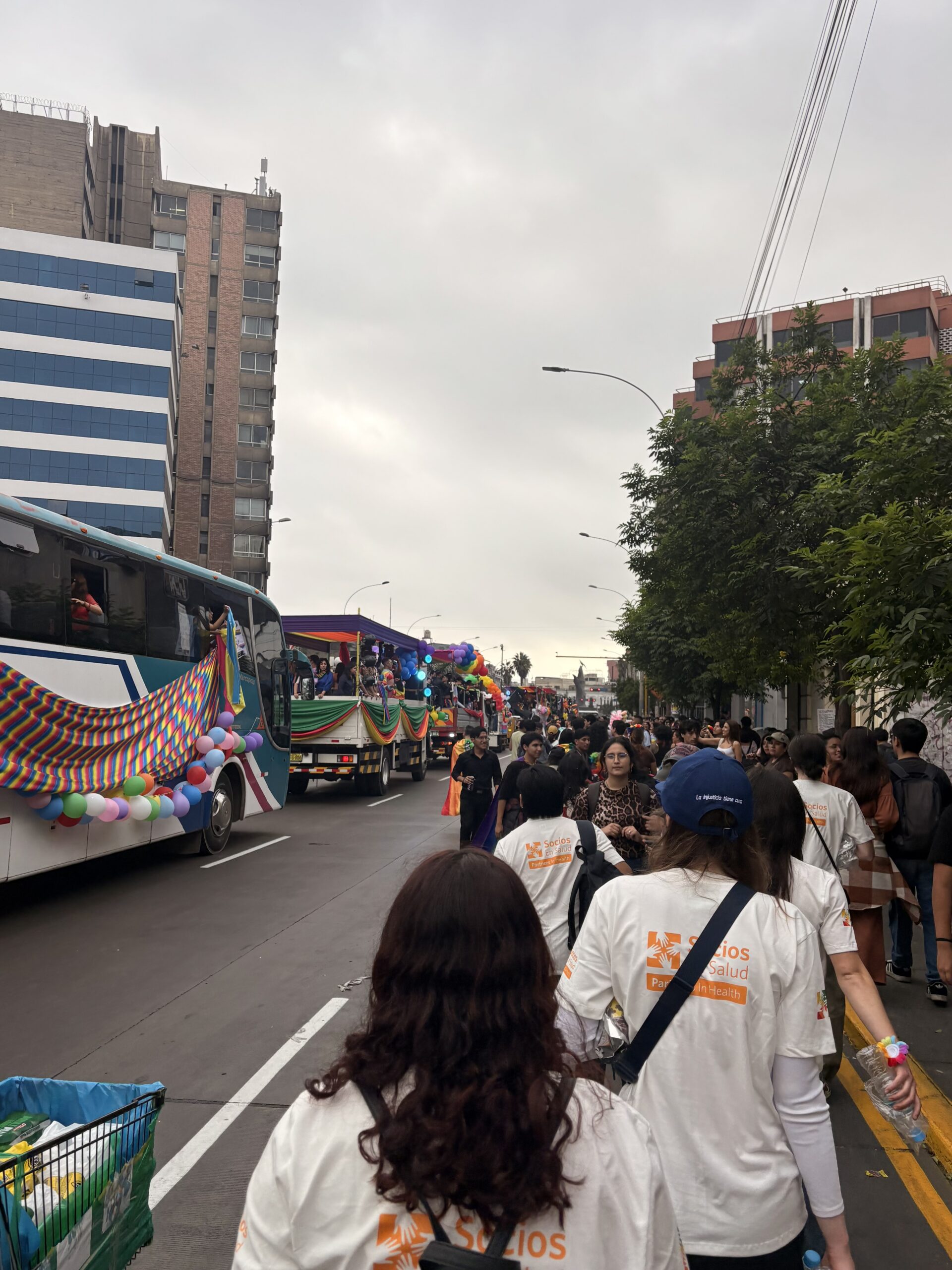
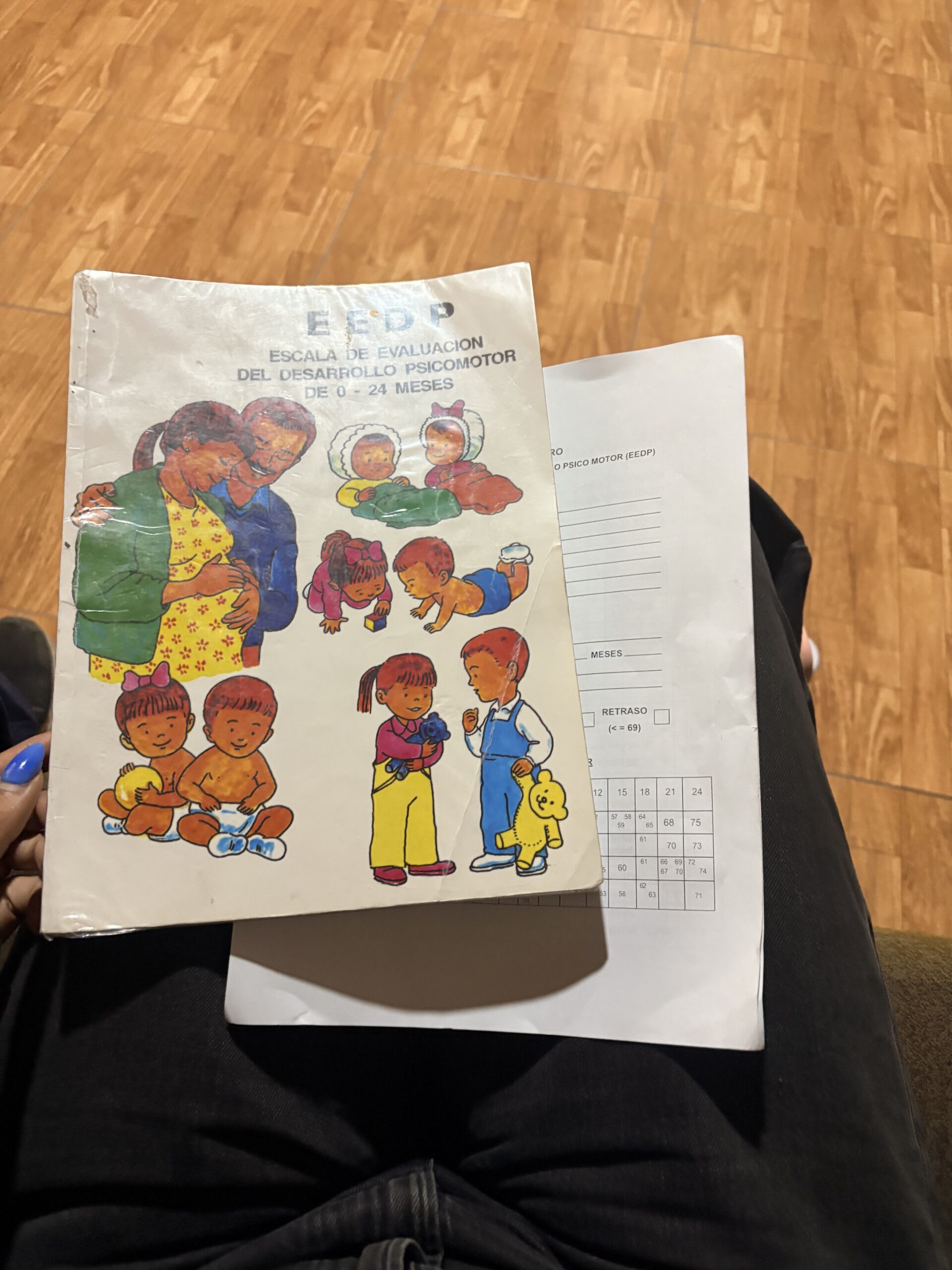
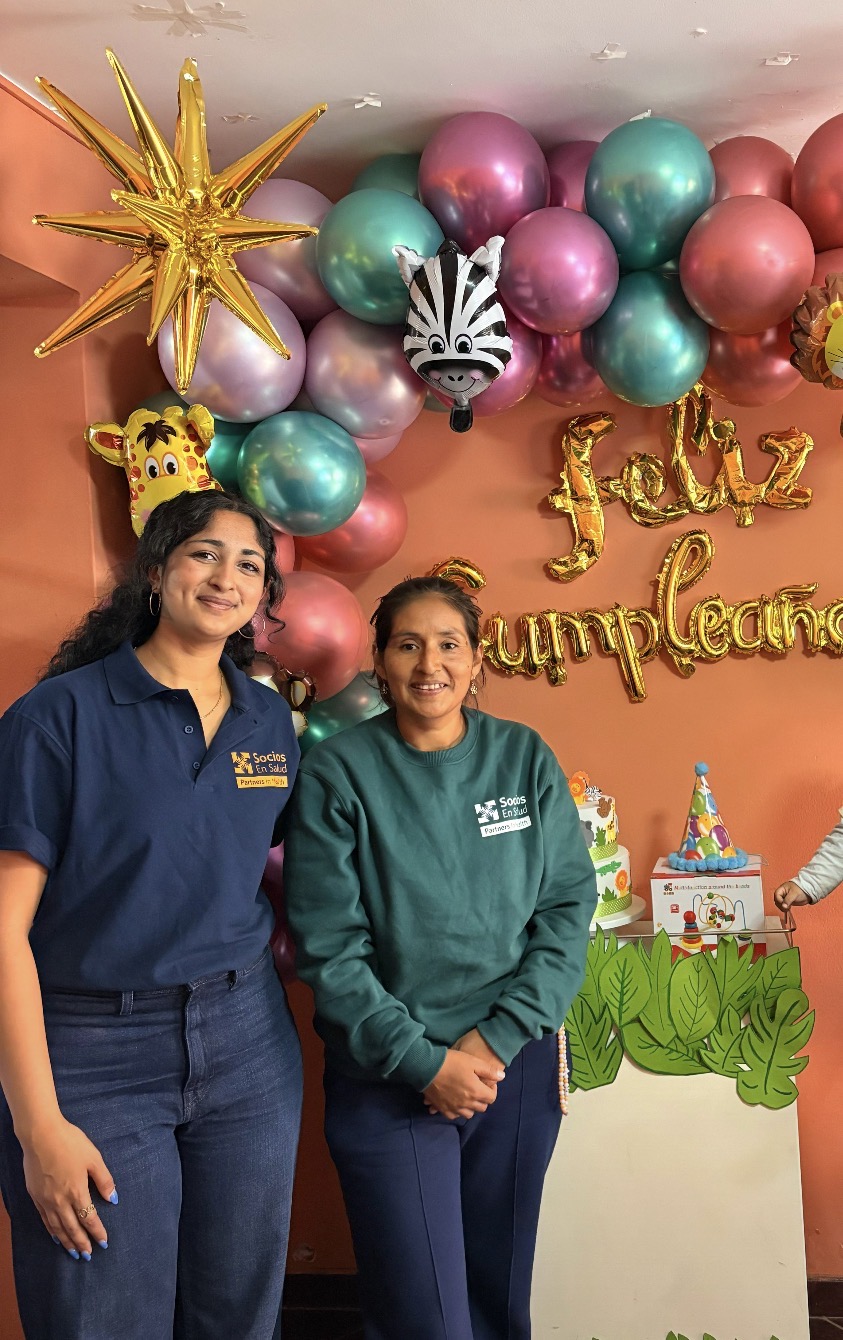
During my internship with Socios en Salud, a Partners in Health affiliate in Lima, Peru, I worked on the PENSA MV project, which supported mothers experiencing perinatal depression in the Carabayllo region. I conducted field visits alongside community health workers delivering the WHO-backed “Thinking Healthy” intervention and documented mothers’ experiences, which informed a 20-plus-page analysis of the program. I contributed to qualitative and quantitative research tracking maternal depression alongside measures of maternal and child health, including child development, anemia, and urinary tract infections. Through this work, I strengthened my skills in literature review, quantitative analysis, qualitative coding, and research while working primarily in Spanish. More importantly, meeting mothers in their homes and learning about the realities they faced deepened my understanding of the barriers that shape access to healthcare and the importance of community-based support. The experience expanded my perspective on global health and strengthened my commitment to advancing more equitable and accessible care. My HGHI internship, without a doubt, has been one of the most inspiring experiences I have had in my young adult life. There are no words to explain how formative this experience has been; from helping me gain the confidence to live and work in a foreign country, to strengthening my ability to speak in a foreign language, to demonstrating to me through real-world experience how crucial global health efforts are, especially in underresourced communities.

Hi, my name is Audrey Chalfie, and I’m from Cincinnati, Ohio. I’m a Harvard student studying Human Developmental and Regenerative Biology and Government, with interests in social justice, public policy, and global health equity. Outside of academics, I compete with the Harvard Crimson Dance Team, write and edit for the Arts section of the Harvard Crimson, and work in the Freedman Lab at BIDMC. After spending the previous summer teaching biology and dance in Vietnam, I was excited to return to the country and explore public health challenges in the region from a new perspective.
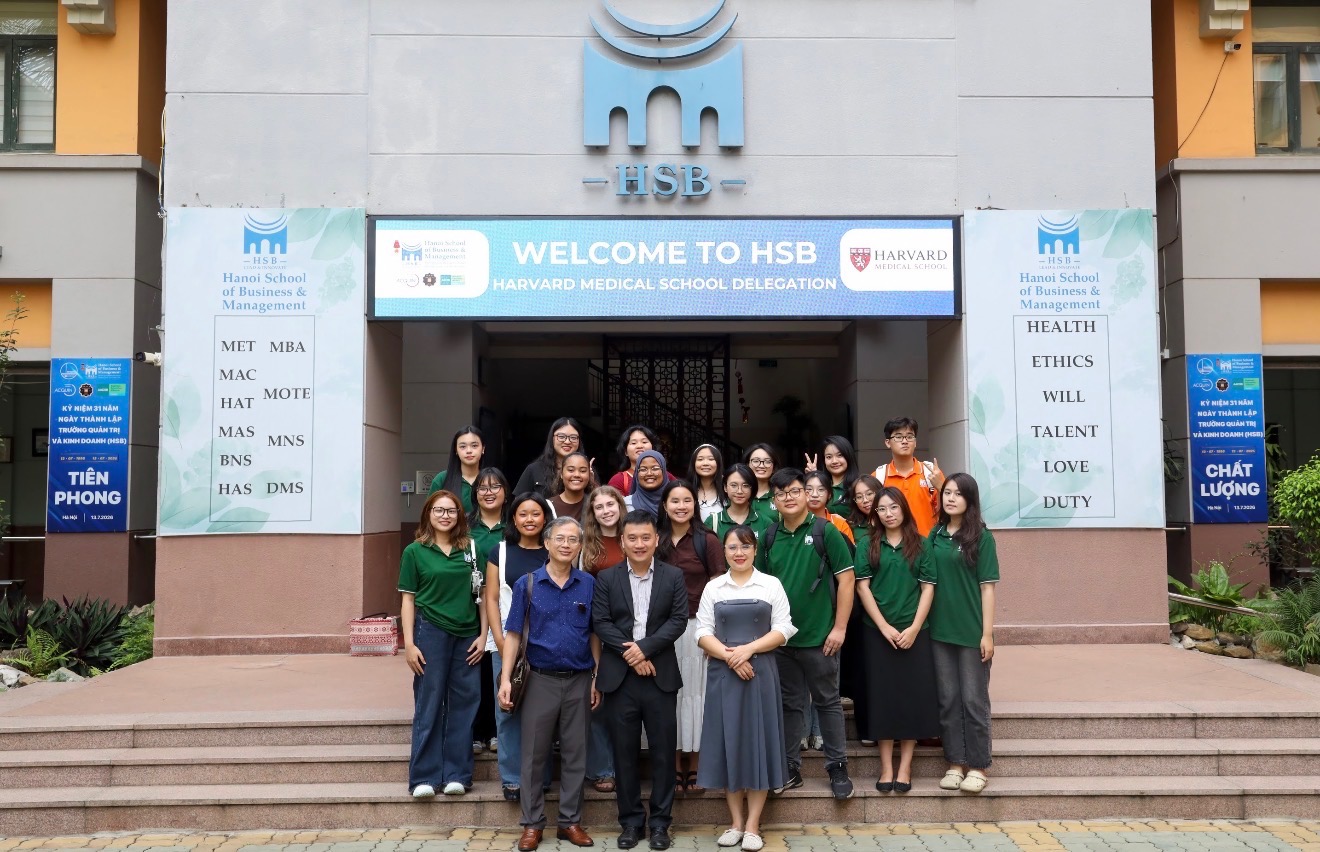
During my internship with PATH in Hanoi, Vietnam, I worked on efforts to advance health equity and malaria elimination in Southeast Asia, with a focus on Plasmodium vivax malaria and the introduction and scale-up of quantitative G6PD testing and tafenoquine as a radical cure. I supported public health research and analysis, communicated with potential malaria diagnostic manufacturers, and developed a case study examining PATH’s role in strengthening G6PD testing in Vietnam and the broader Greater Mekong Subregion. My internship with PATH taught me that global health progress depends not only on scientific innovation, but on the partnerships, policies, and health systems that make innovation accessible and sustainable. Living and working in Hanoi also deepened my appreciation for local expertise, country ownership, and the importance of adapting interventions to the health systems and communities they are intended to serve. This experience strengthened my interest in working at the intersection of science, public policy, and global health and showed me how health systems can bridge scientific innovation and meaningful population-level impact.
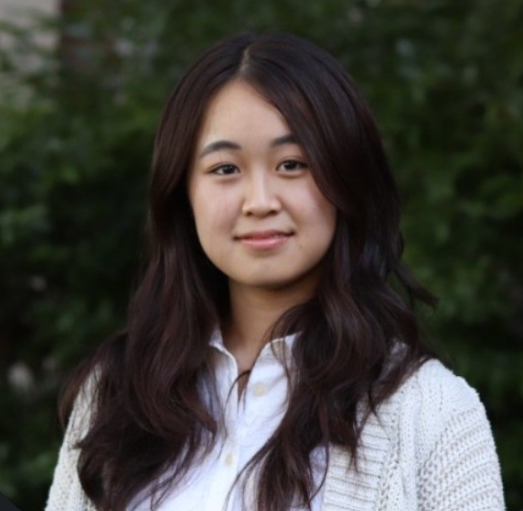
Hi, my name is Baochan Fan, and I’m from Chandler, Arizona. I’m a rising junior at Harvard studying Neuroscience with a secondary in Global Health and Health Policy. I’m particularly interested in the resilience and complexity of the brain and the neurological and neurodegenerative diseases that can disrupt it, and I’m involved in research on neurodegenerative diseases at Harvard. Outside of academics, I enjoy hiking, skiing, exploring cafes and boba shops with friends, and traveling. Having lived in four states, I’ve always enjoyed experiencing new places and environments.
During my internship with the Botswana Harvard Health Partnership (BHP) in Gaborone, Botswana, I worked primarily in laboratory research and bioinformatics on HIV-1 subtype C. I analyzed the prevalence and potential compensation of cytotoxic T cell escape mutations and developed a computational pipeline to identify minority-level HIV-1 drug resistance mutations. Although I initially expected to spend more time in the wet lab, reagent shortages shifted my work toward bioinformatics, allowing me to strengthen my coding skills, learn genomic analysis workflows, and take greater ownership of my projects. I also had the opportunity to shadow different laboratory and clinical departments and present my research at the HIV CURE Symposium. Through these experiences, I gained a deeper appreciation for the connections between laboratory research, computational analysis, and clinical care, while developing a stronger interest in global health. As I reflected on the experience, I found that My time at BHP was fulfilling in the sense that I got to experience laboratory research, computational analysis, and clinical shadowing all in one! The support structure established with the internship is amazing, with everyone receptive of new ideas and experiences and willing to offer a lending hand anytime!
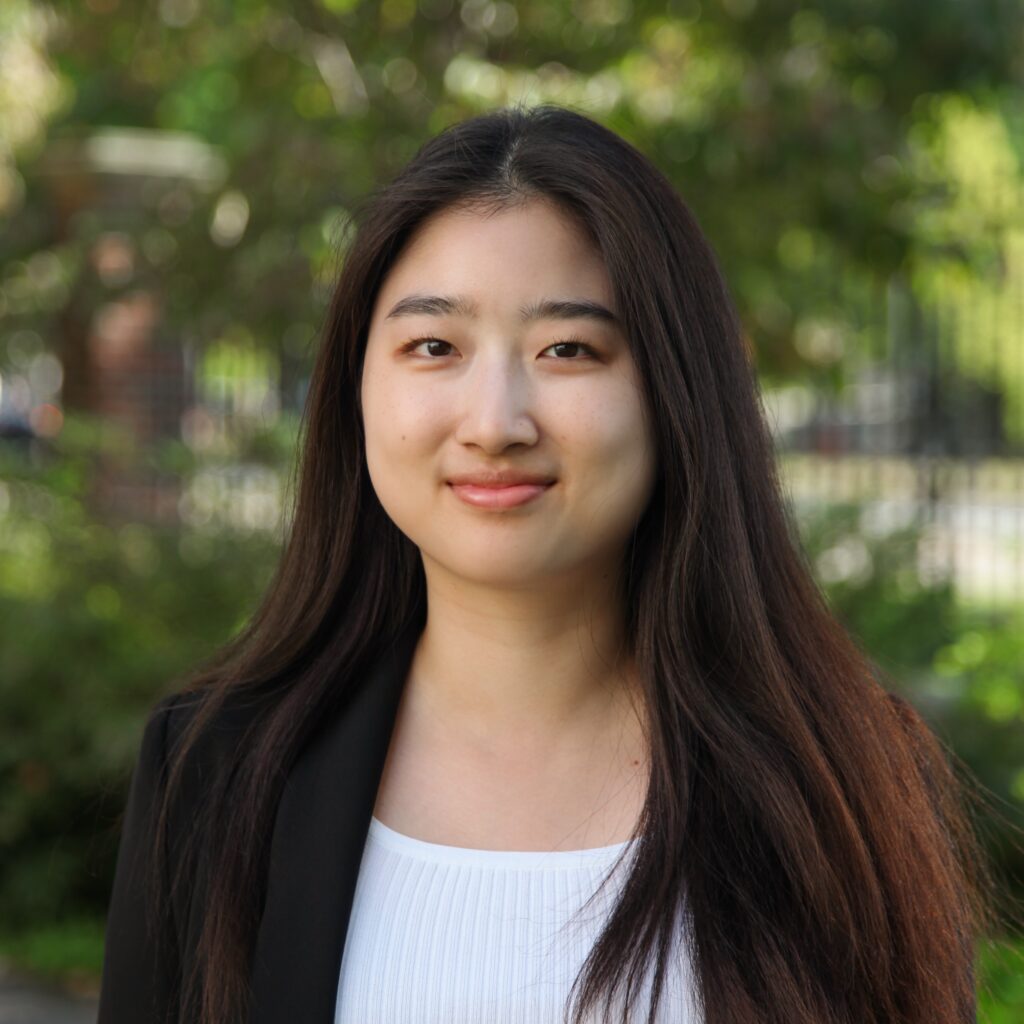
Hi, my name is Catherine, and I’m a rising junior at Harvard studying Biomedical Engineering and Social Studies. I’m interested in medical innovation, global health, and the political and social forces that shape how healthcare is delivered. Outside of academics, I enjoy House intramurals, playing viola with the Harvard Pops Orchestra, and writing for the Harvard Crimson.
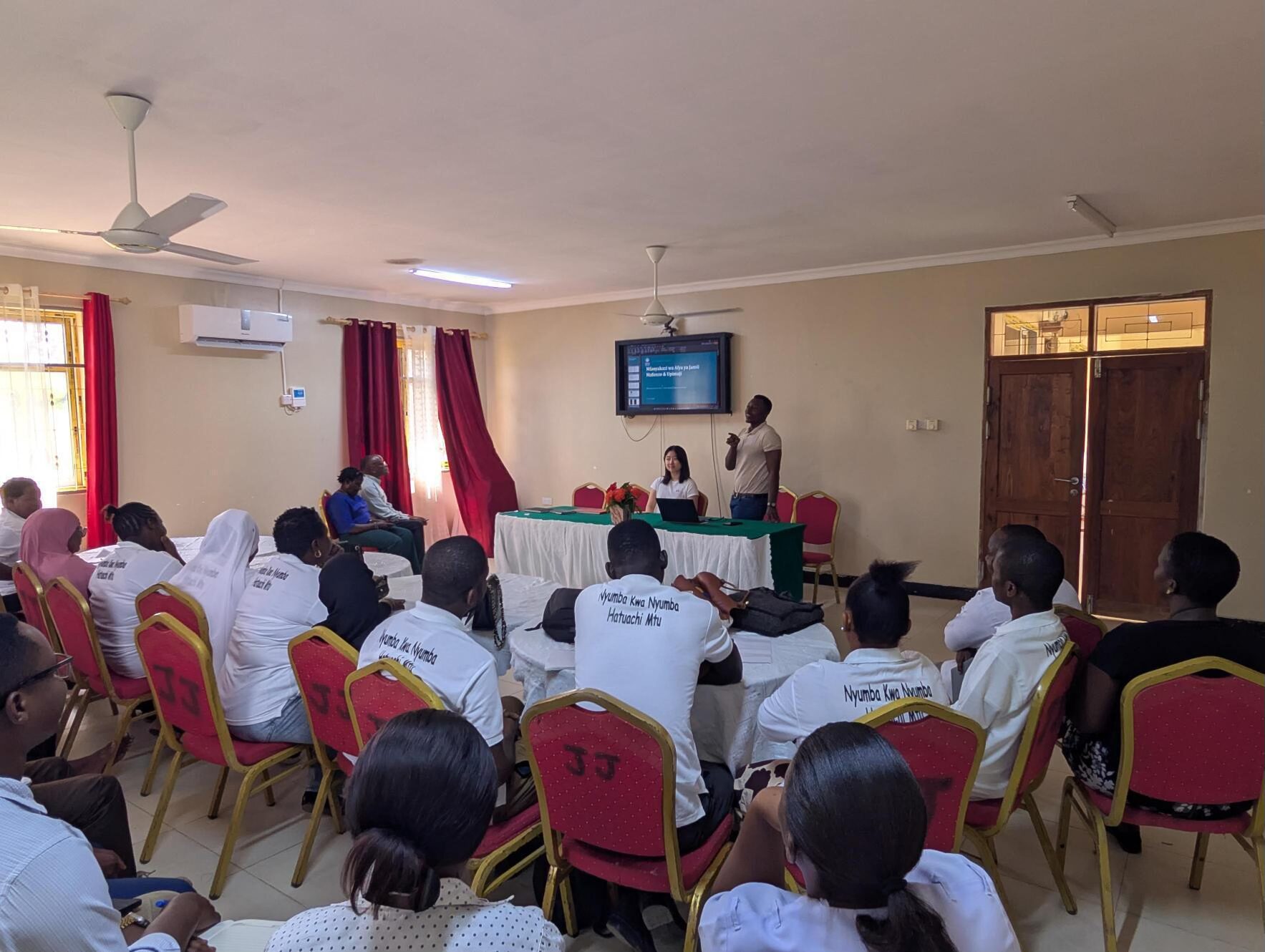
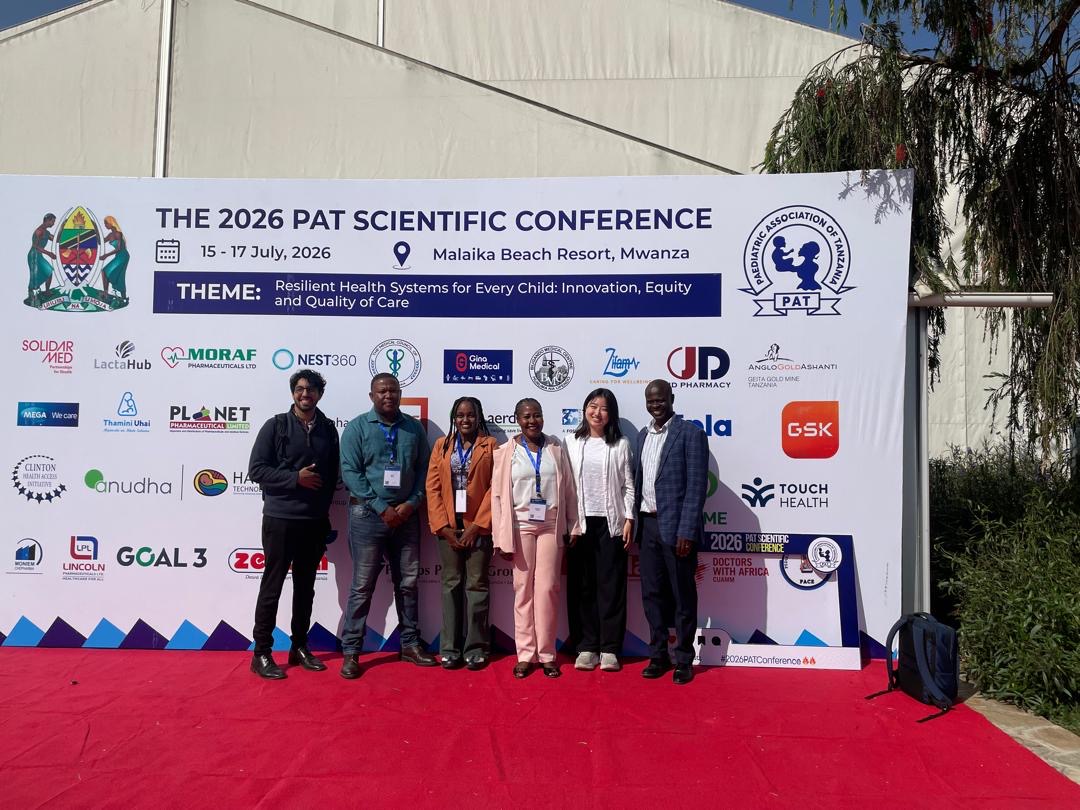
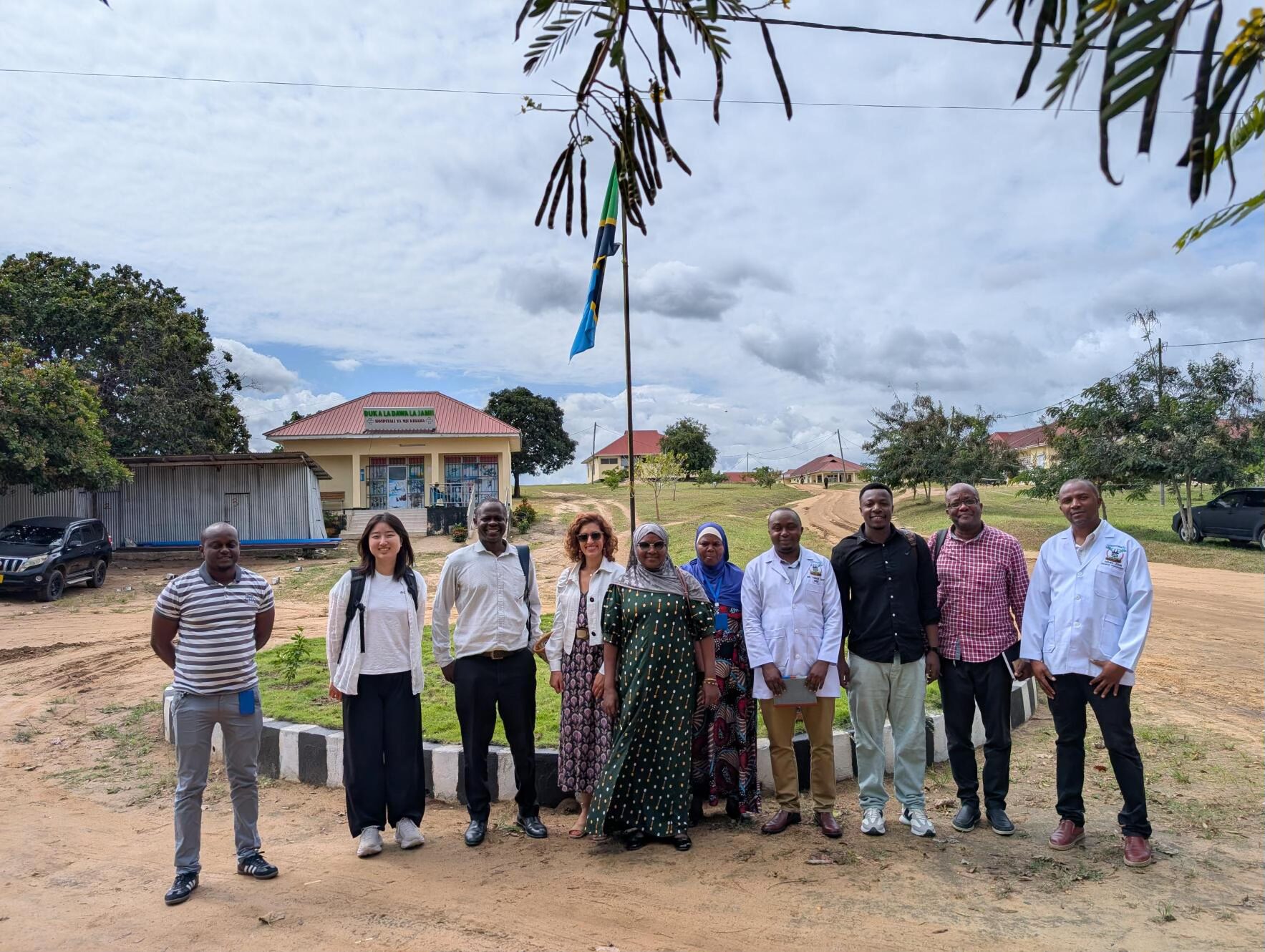
During my internship with Touch Health in Tanzania, I analyzed patient data from the organization’s telehealth consultation platform, which connects rural patients with doctors, and investigated neonatal mortality and maternal risk factors through its newborn health platform. I also supported the launch of a new health messaging system focused on increasing awareness of noncommunicable diseases and visited clinics, pharmacies, and medical offices across Tanzania, including communities near Dar es Salaam and Lake Victoria. Through data analysis, field visits, and conversations with community health workers, physicians, government officials, and other stakeholders, I gained a deeper understanding of the cultural, organizational, and governmental factors that shape healthcare delivery. Meeting community health workers in person was especially meaningful, helping me see the people behind the data and understand how local context can change the way findings should be interpreted. I also learned that sustainable global health programs require more than good ideas, they depend on careful planning, coordination, cultural awareness, and an understanding of the systems in which programs operate. I found that I could not have spent my summer in a better way. Working for Touch Health in Tanzania taught me incredible lessons about the importance of cultural context in properly conducting foreign aid work. This experience exposed me to the complex dynamics an NGO must navigate with the government, partnering organizations, and local community workers. While so many good ideas and hopes can exist, only well-planned, coordinated efforts actually come to fruition. I’ve had a truly transformative internship and gained so much more than I imagined from going into the field, visiting clinics, meeting stakeholders, and immersing myself in the communities.
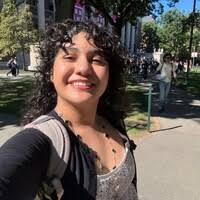
Hi, my name is Lucia Lopez, and I’m from San Diego, California. I’m a Harvard student studying History of Science with a secondary in Education Studies. I’m interested in health policy, women’s health, education policy, and the ways history can help us understand complex health and social systems. Outside of academics, I run an archive documenting Latinx student history and activism at Harvard, and I previously played mariachi alongside my aunt and grandfather.
During my internship as a research assistant with Project Prana, I focused on the ongoing Ebola outbreak in the Democratic Republic of the Congo, researching the humanitarian routes connecting major cities and neighboring countries, the stakeholders and supplies involved, and the challenges facing humanitarian workers. I also contributed research to Project Prana’s Problem Bank, which examines public health challenges within their broader systems and considers what has been attempted and what can be learned. One of the most meaningful parts of my internship was publishing a journalistic story on the Ebola outbreak, using ArcGIS to map humanitarian routes and explore how conflict and violence affect the delivery of medical aid. Through this work, I learned to slow down before jumping to solutions and instead ask better questions about the systems and root causes behind a problem. I also discovered how much I enjoy translating complex global health issues into accessible narratives, visualizations, and stories. The experience strengthened my interest in the intersection of research, storytelling, policy, and visual communication and gave me a deeper understanding of global health as a field shaped not only by medicine, but also by history, politics, infrastructure, conflict, and communication. This experience gave me a clearer understanding of how I want to contribute to global health: not necessarily by having all the answers, but by helping people understand the questions, systems, and stories that shape the problems we are trying to address

Hi, my name is Damilola Ogunbamiwo, and I’m from Prince George’s County, Maryland. I’m studying Molecular and Cellular Biology with a secondary in Global Health and Health Policy and a language citation in Yoruba. I’m interested in improving healthcare outcomes and expanding access to care for underserved populations. At Harvard, I conduct tuberculosis research at the Ragon Institute, volunteer with the Harvard Square Homeless Shelter, and serve as a course assistant for biology and chemistry courses.
During my internship with the Perinatal HIV Research Unit (PHRU) and African Social Sciences Unit of Research and Evaluation (ASSURE) in Soweto, South Africa, I contributed to qualitative and clinical research focused on HIV, tuberculosis, and health equity. I developed a coding framework for research on medication adherence, refined a manuscript and policy brief on climate-sensitive infectious diseases, and supported grant writing. I also shadowed healthcare professionals and researchers and assisted with breast cancer screening research at local clinics. Through these experiences, I gained a deeper understanding of how patient and provider perspectives complement clinical data and how research can inform healthcare for underserved communities. I also developed a greater appreciation for international collaboration and the importance of understanding healthcare systems within their local contexts. My internship in South Africa taught me that meaningful healthcare research goes beyond the laboratory. It requires understanding the people, communities, and systems behind the science.
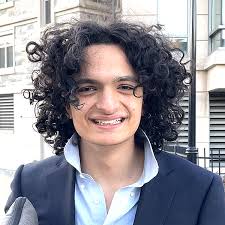
Hi, my name is Devan Tatlow, and I’m studying Human Biology, Behavior, and Evolution with a secondary in Global Health and Health Policy. I was born in Bogotá, Colombia, and grew up in Washington, D.C. My interest in healthcare is deeply personal, and I hope to dedicate my career to helping others access the care they need. Outside of academics, I enjoy welding in the SEC, planning water networks with Engineers Without Borders, and biking along the Charles.
During my internship at the Instituto de Investigaciones para el Desarrollo con Equidad (EQUIDE) at Universidad Iberoamericana Ciudad de México, I explored how food and water insecurity shape health and people’s lived experiences. I contributed to a whitepaper on the Water Insecurity Experiences study, conducted a literature review on trucked water distribution systems, and worked with the Instituto Nacional de Perinatologia on a study tracking the effects of food and water insecurity on pregnant and postpartum mothers and their children. I also designed and coded an R script to visualize Mexican government data on food and water insecurity for the Observatorio Materno Infantil. Through these projects, I learned how definitions and measurement can shape our understanding of health inequities and how logistical barriers can limit access to care even when services exist. I also gained a deeper appreciation for how different approaches, from improving existing systems to building new infrastructure, can work together to address public health challenges. I had an amazing experience at EQUIDE, and while I came to Mexico City to study water insecurity, I left understanding how much of public health is decided by logistics, definitions, and who has time to do the work.

Hi, my name is Elizabeth DaCunha, and I’m from Fairhaven, Massachusetts. I study Anthropology with a secondary in Global Health and Health Policy at Harvard. I’m interested in how people’s beliefs, cultures, geographic contexts, and personal experiences shape health behaviors, decision-making, access to care, and interactions with healthcare systems. Spending summers in Malaysia and Tanzania has given me the opportunity to immerse myself in communities with contexts different from my own and deepen my understanding of how culture, history, social structures, and policy intersect to shape health. At Harvard, I’m involved with Partners in Health Engage, PBHA, and volunteer work at Boston Healthcare for the Homeless, and I conduct research on religion and reproductive health. Outside of school, I enjoy trying new cafes, playing tennis and pickleball, traveling, reading, and spending time with family and friends. Fun fact: I can speak Russian!
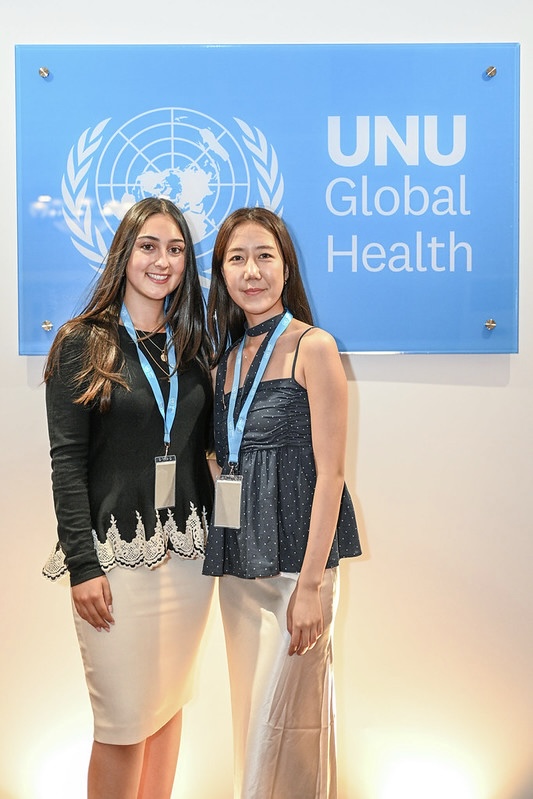
During my internship with UNU Global Health in Malaysia, I worked across the Digital Health and Gender & Intersectionality work packages. I developed a policy brief examining Australia’s recent equal pay ruling and reform and its implications for gender equity in public service and care-sector occupations. I also contributed to a scoping literature review on adolescent mental health and digital well-being to inform a school-based mental health intervention being developed through a collaboration between Malaysia’s Ministry of Health, the United Nations, and Queen Mary University of London. In addition, I participated in UNU Global Health workshops, conferences, training meetings, and other stakeholder engagements. This experience strengthened my interest in understanding how research, policy, and social context intersect to shape health and reinforced my goal of becoming a physician who provides equitable, culturally responsive care to diverse populations.
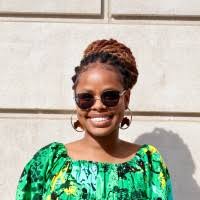
Hi, my name is Evelyn Gathara, and I’m a junior at Harvard from Nairobi, Kenya, studying Bioengineering with a secondary in Global Health and Health Policy. I’m interested in healthcare access in underserved communities and health systems strengthening in low-resource settings. Outside of academics, I enjoy hiking, rock climbing, spending time outdoors, and going on safaris. I’m also fluent in three languages, both written and spoken.
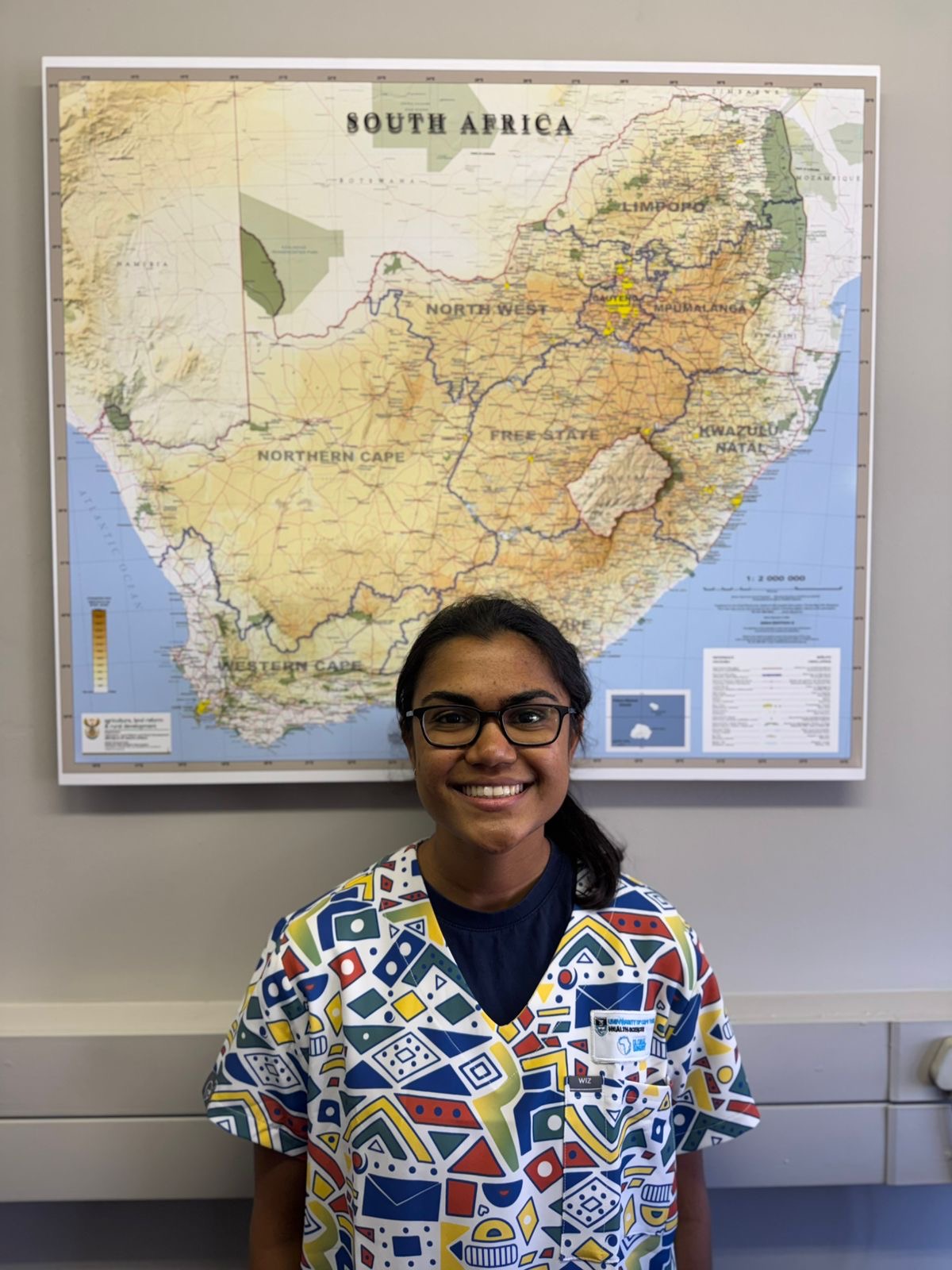
During my internship at the University of Cape Town’s Division of Global Surgery in Cape Town, South Africa, I explored different aspects of global surgery and healthcare delivery. I contributed to a scoping review on stillbirths in Africa, a perspective piece on medical device procurement and neonatal technologies, data entry for the Africa Trauma Registry, and interviews with General Surgery interns about their experiences during rotations. I also shadowed doctors and spoke with researchers and healthcare professionals, which helped me better understand how policy, hospital management, clinicians, governments, and communities interact to shape access to care. Through these experiences, I gained a deeper appreciation for the challenges of translating policy into practice and began thinking more about how my background in Bioengineering could contribute to healthcare in an African context. Conversations with leaders in biomedical engineering and pharmacogenomics also broadened my interests and encouraged me to explore how technology, genetics, and health systems intersect. Through this internship, I learned that the more people you talk to, the more informed you will be. Ask questions and be open!
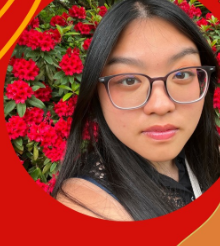
Hi, my name is Apple Nguyen, and I’m originally from Bien Hoa, Vietnam. I’m studying Chemistry and Human Biology, Behavior, and Evolution, and I’m interested in understanding medicine from both biological and social perspectives, particularly how health is shaped by factors beyond the body itself. Outside of academics, I’m involved in musical theater and choral music through the Harvard Noteables and the Radcliffe Choral Society, and I love singing, reading, and writing short stories and poems. A fun fact about me is that I drove from California to Boston just three days after getting my driver’s license!
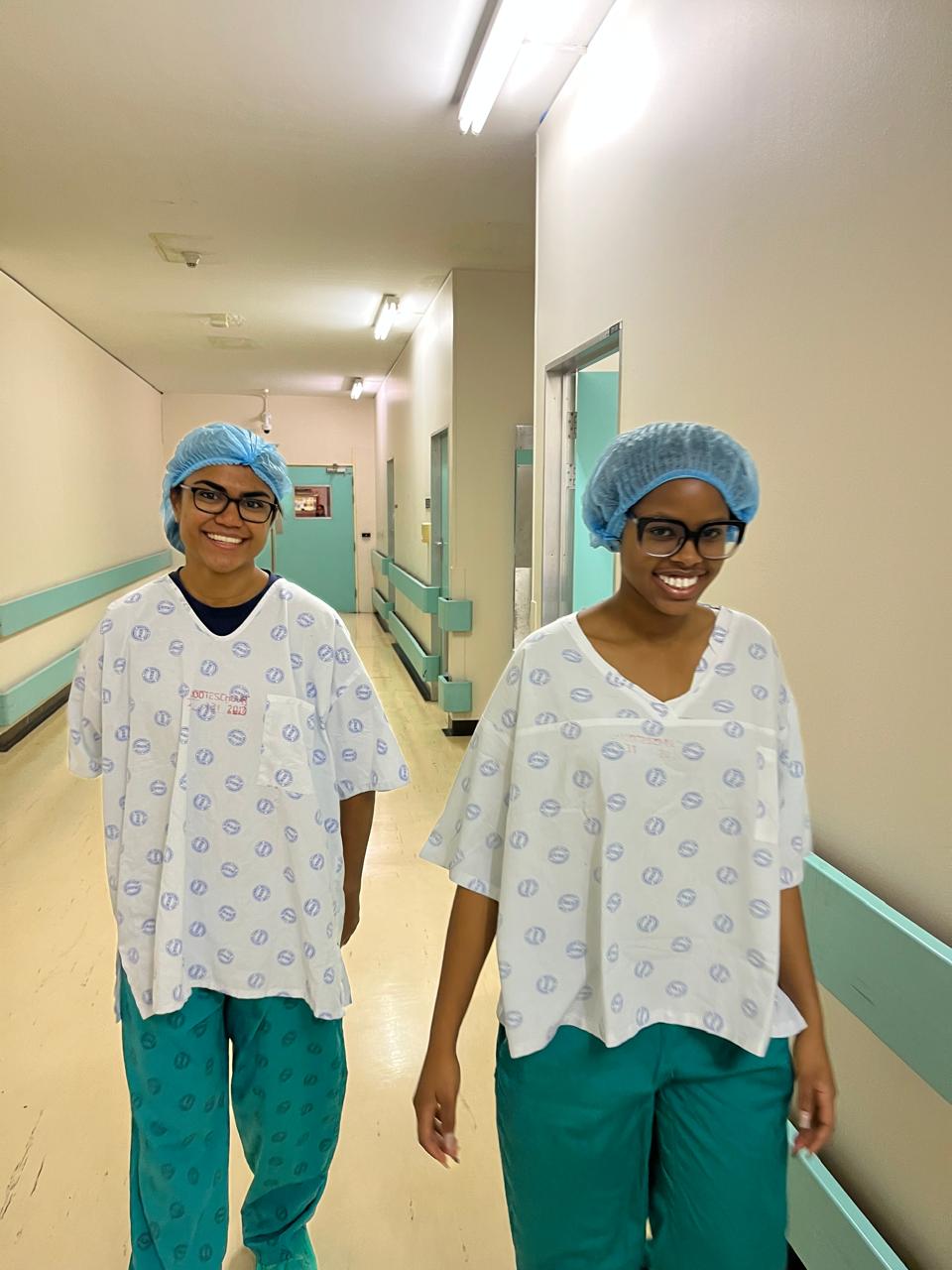
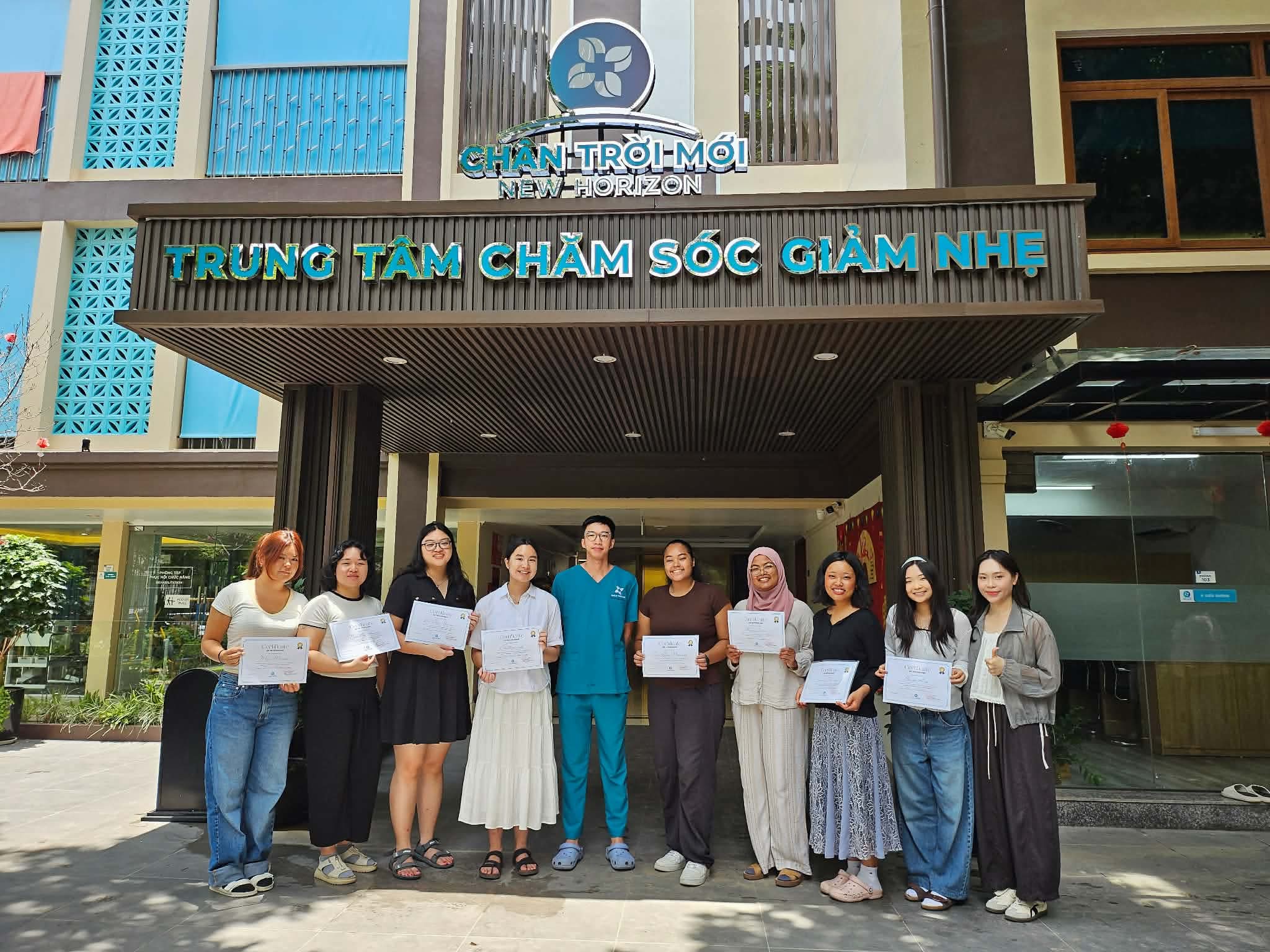
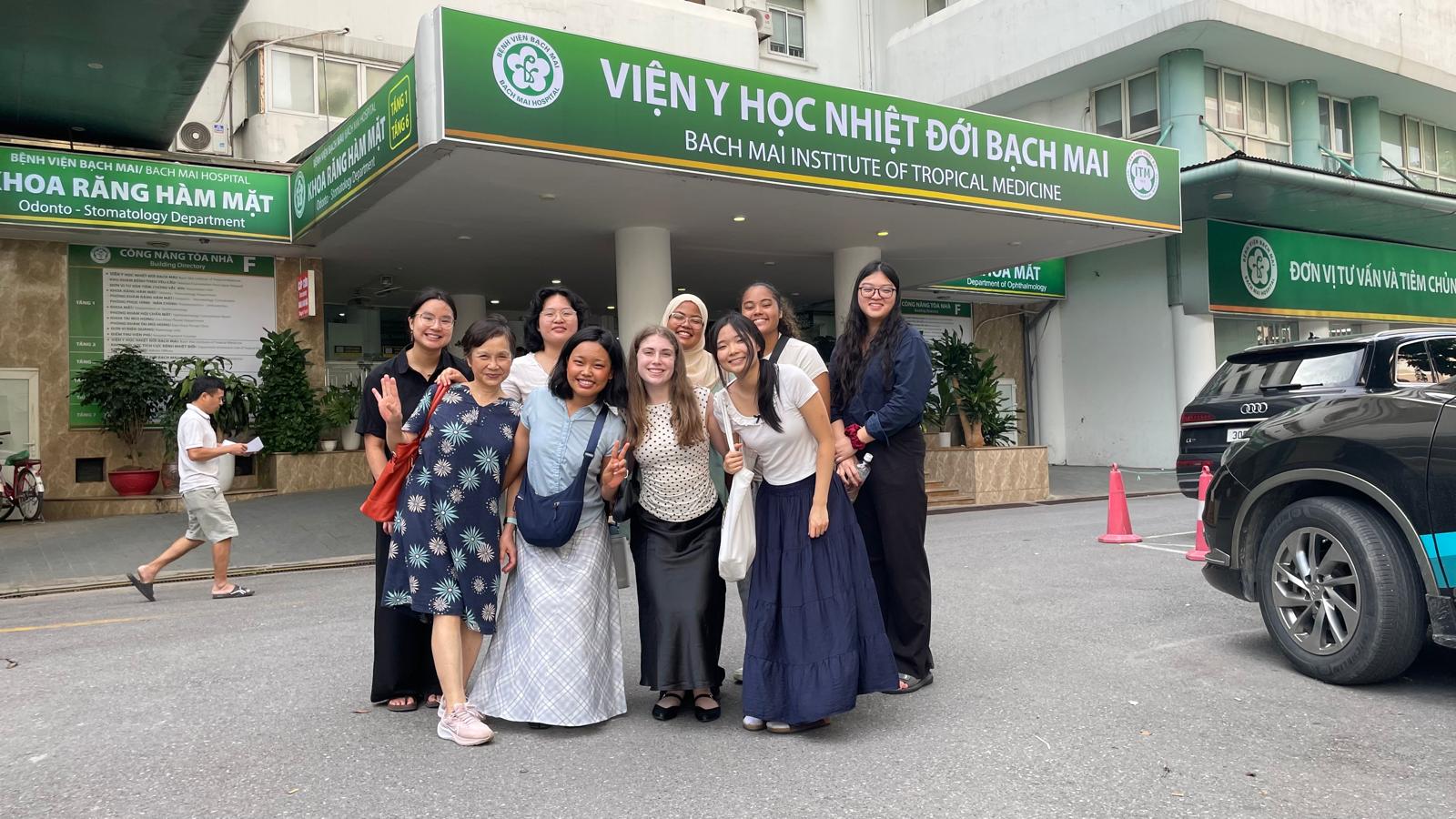
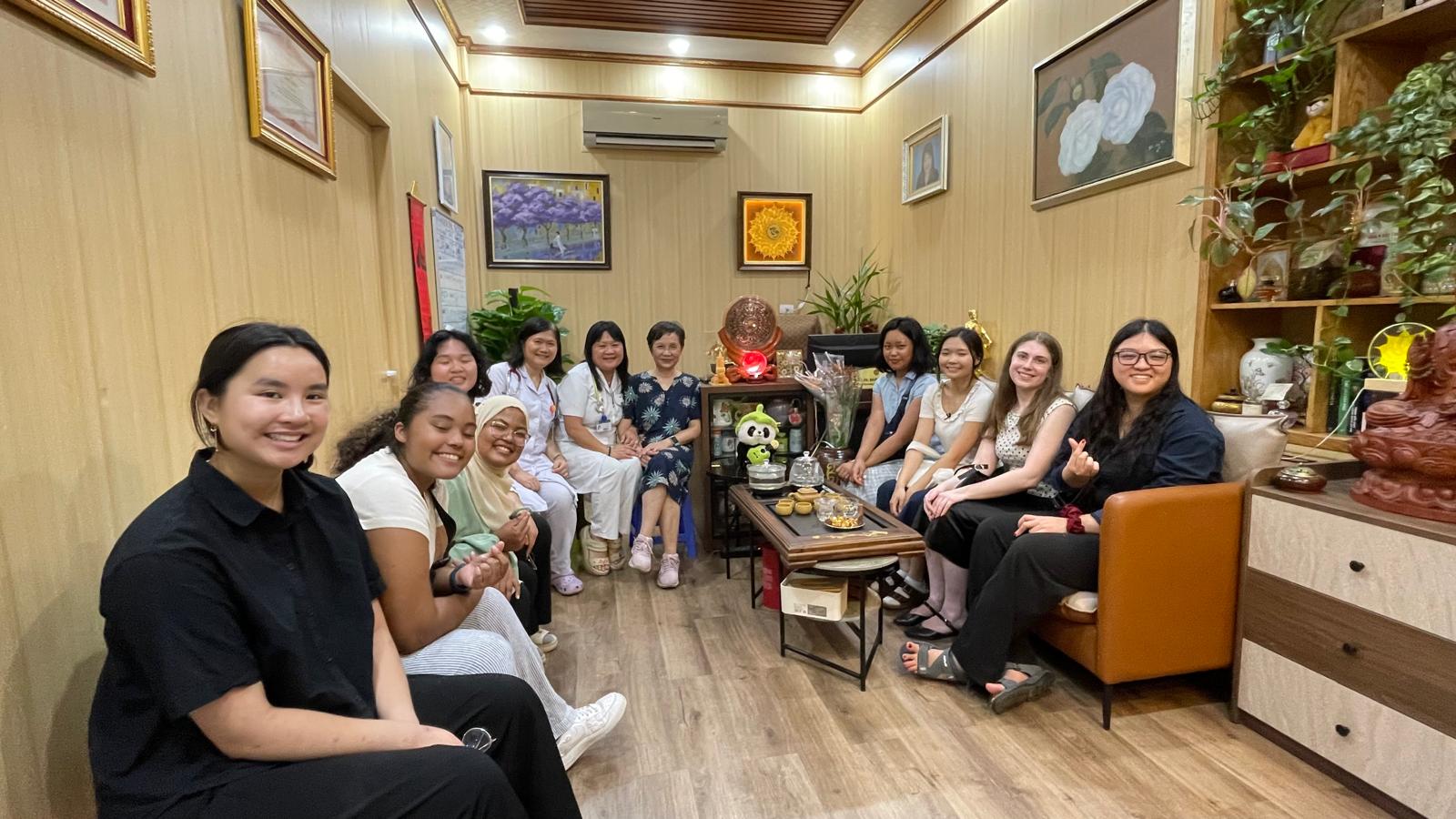
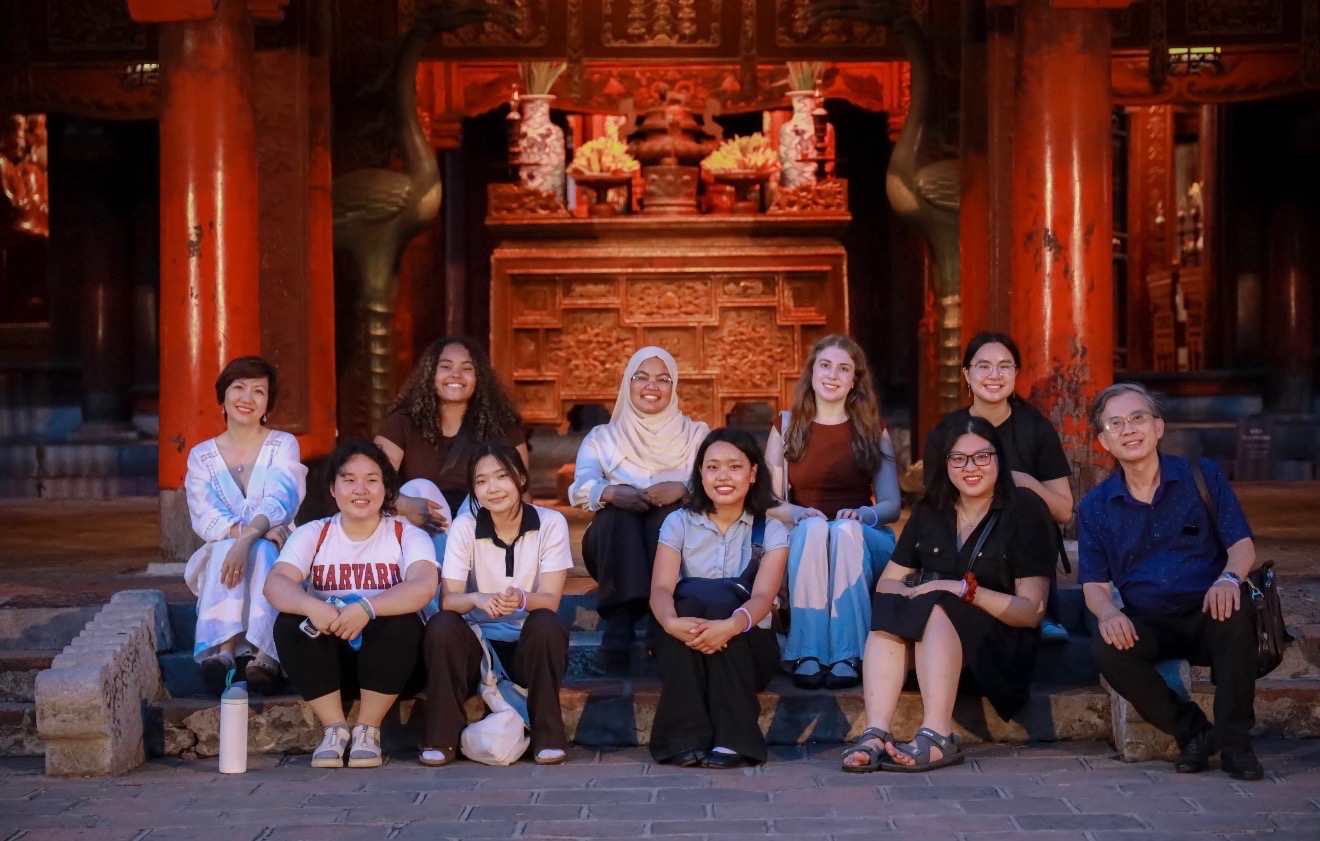
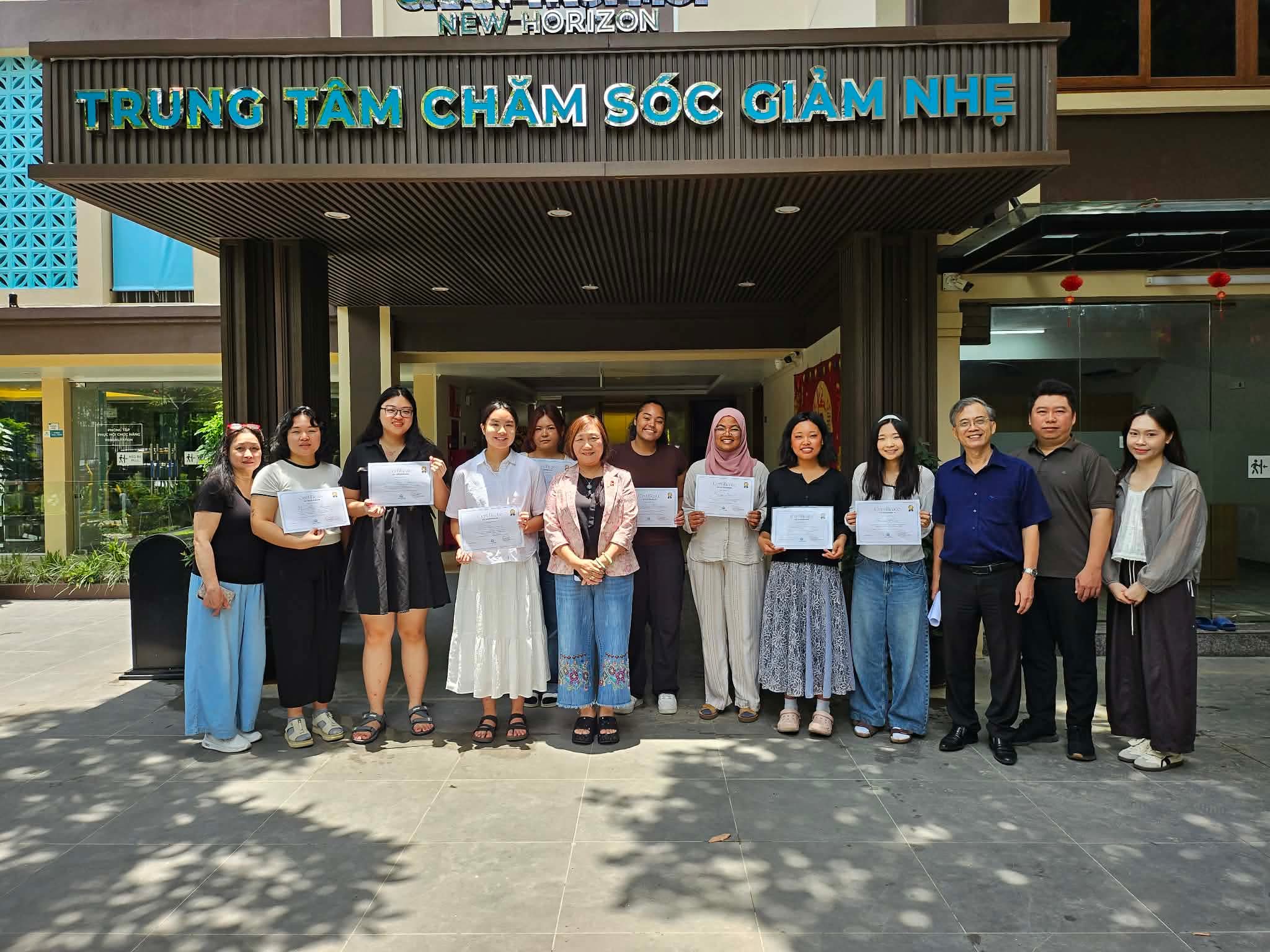
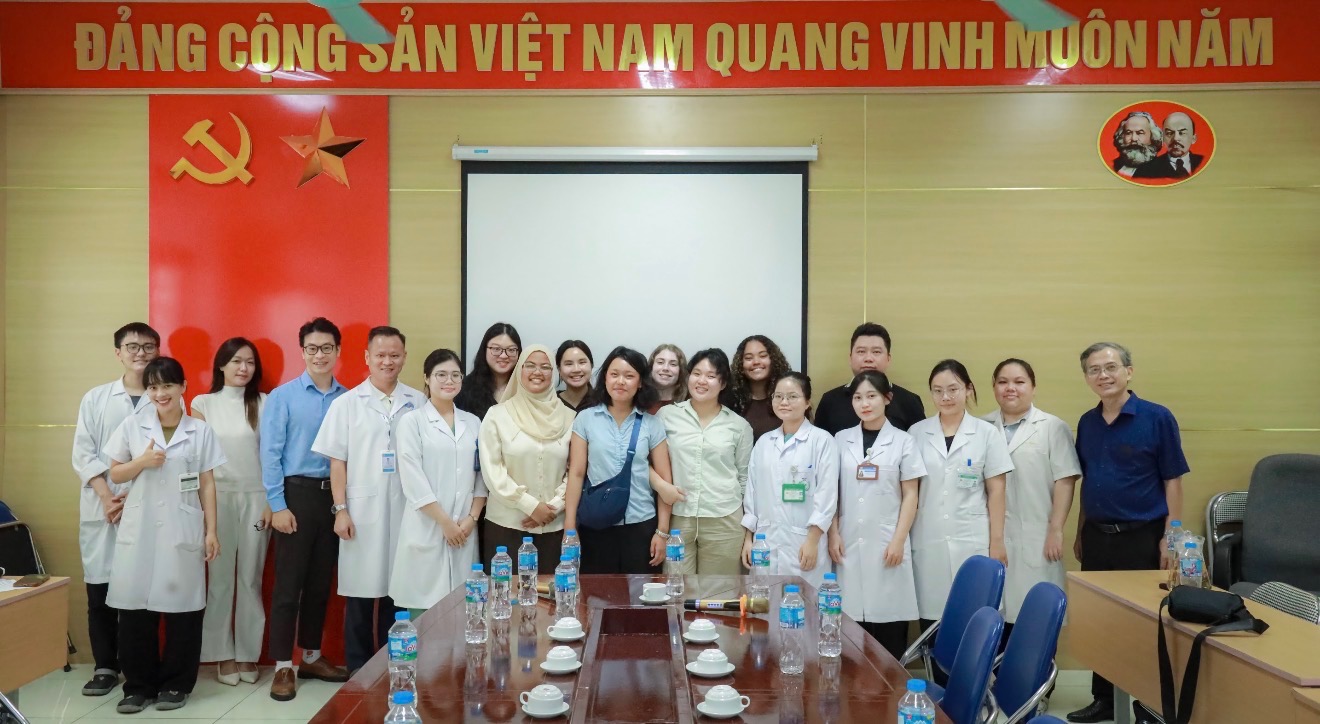
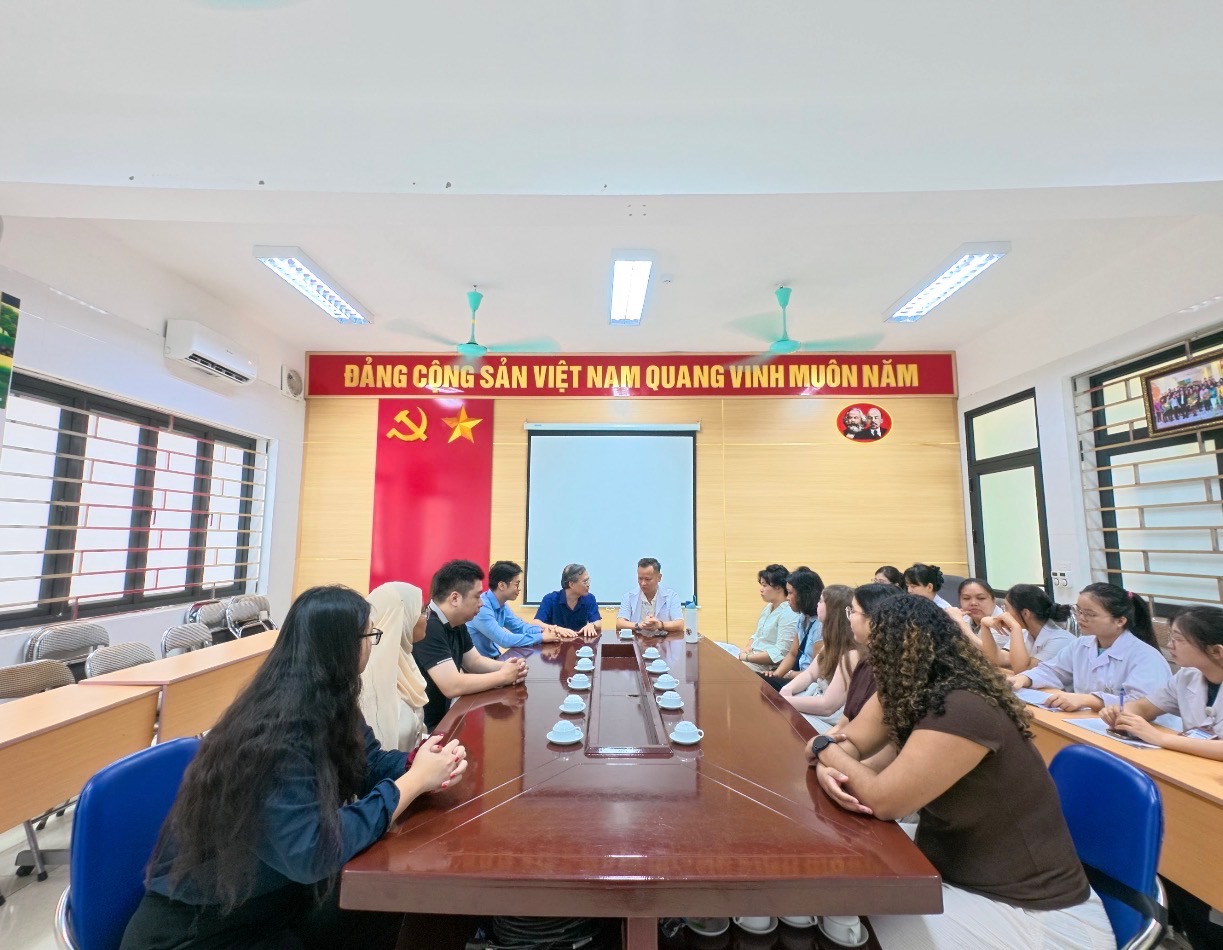
During my internship at the University of Medicine and Pharmacy, Vietnam National University in Hanoi, I explored different areas of research and healthcare while developing a deeper understanding of Vietnam’s health system. I worked with a dataset on people with schizophrenia and their caregivers, developing an interactive codebook that made the data easier to analyze and allowed me to explore medication adherence in relation to patient demographics. I also volunteered at the New Horizon Palliative Care Center, visited Bach Mai Hospital, and observed childhood vaccination and traditional acupuncture at the Noi Bai Commune Health Station. Because the internship was largely self-directed, I learned to identify my own interests, seek out opportunities, and take initiative in shaping my research experience. Together, these experiences gave me a broader perspective on healthcare in Vietnam and strengthened my interest in pursuing future research in mental health and global health.
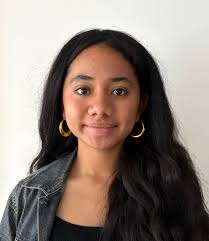
Hi, my name is Jia Michel, and I’m from Brooklyn, New York. I’m studying Computer Science and History, and I’m interested in using technology to support global communities while understanding the social and historical contexts that shape how new technologies are implemented. I’m particularly interested in AI safety and healthcare, and outside of academics, I enjoy trying new hot pot restaurants, biking along the Charles, and juggling.
During my internship at the MJ Lab at the Center for Health Technology Assessment at Harvard Medical School and Mass General Brigham, I worked on projects applying computational methods to healthcare and global health. I initially supported a CDC grant proposal on substance use policies in high schools, helping analyze national policies and develop classifications for key policy terms. I then expanded a system dynamics model of the Ethiopian healthcare system by developing a new layer examining how lifestyle changes and risk factors such as smoking and obesity could influence the development of cardiovascular disease. Through literature reviews, systems modeling in Vensim, and developing a research poster, I strengthened my research and science communication skills while gaining a deeper understanding of how computational tools can be applied to complex health systems. I also co-authored a grant proposal on antihypertensive treatment in Ethiopia, which helped me become more confident contributing to research and sharing my ideas. Just as importantly, I learned the value of building a strong research community through mentorship, collaboration, and genuine relationships with colleagues. Working with MJ Lab was not only the best initial way to work on system dynamics modeling, but I believe I may have found professors and colleagues I see myself learning from and working with decades in the future.
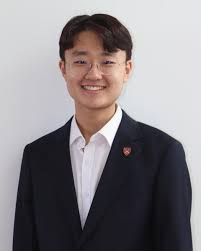
Hi, my name is John Kim, and I grew up in Seoul, South Korea, though I’m originally from Baltimore, Maryland. I’m a Harvard student double concentrating in Neuroscience and History of Science. I’m interested in the human brain, the history of medicine, and how historical perspectives can help us understand contemporary issues in public health and social medicine. Outside of academics, I’m a violinist involved in classical music groups including the Harvard Radcliffe Orchestra, and I enjoy running along the Charles River.
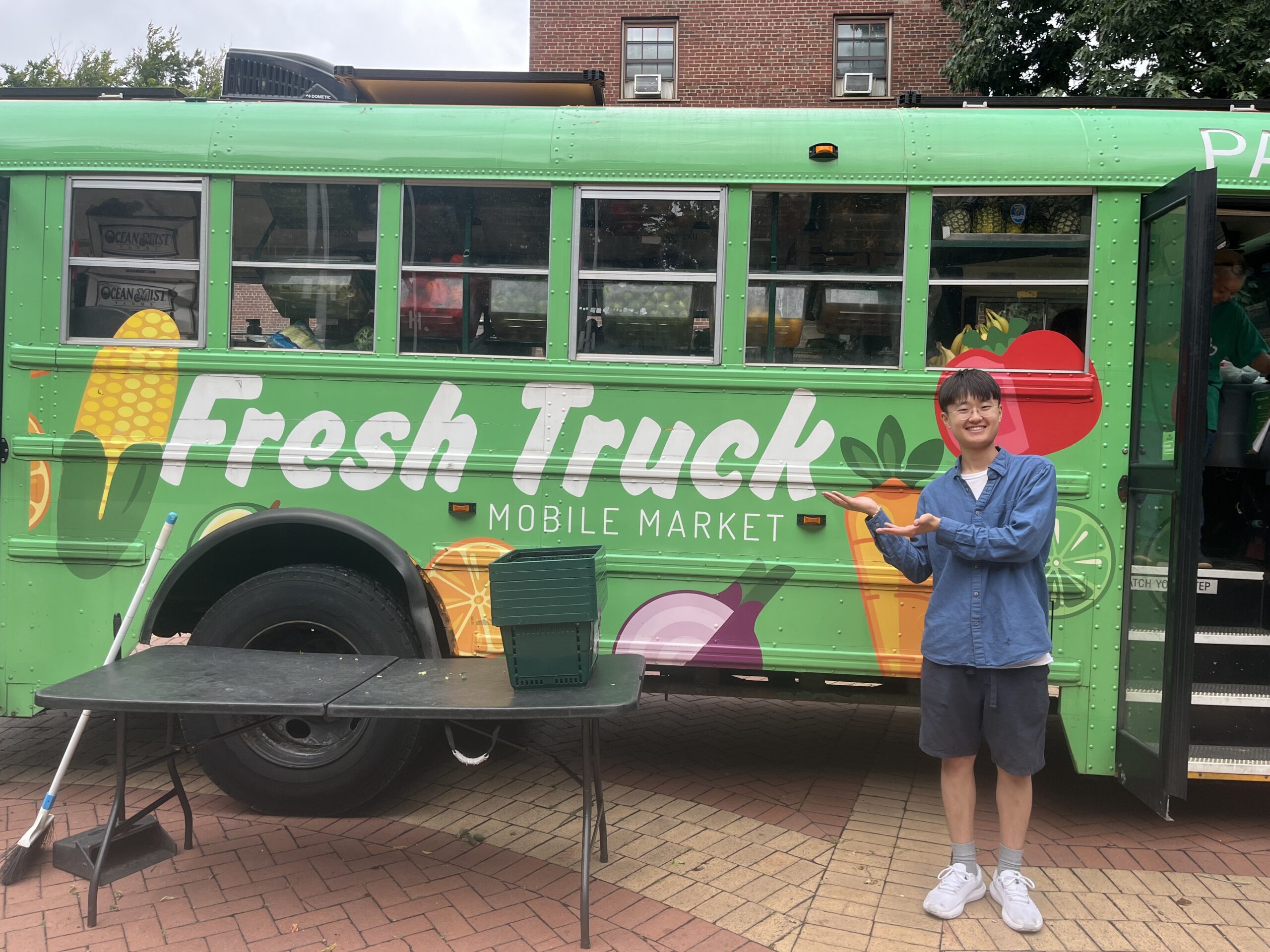
During my internship with Harvard Medical School’s Office for Community Centered Medical Education (OCCME), I conducted historical research on past HMS community-oriented initiatives to understand how these efforts succeeded and failed and to inform the office’s current work and future direction. Using archival materials from the Countway Library of Medicine, I scanned nearly 2,000 pages of documents and closely analyzed more than 700 pages, while also speaking with HMS faculty about their recollections of the past. I complemented my research by volunteering with OCCME partner organizations, including Fresh Truck and the Mission Main Tenant Task Force, where I had the opportunity to engage with Boston communities and better understand the present-day context surrounding my research. Through this experience, I developed a deeper appreciation for the history of medicine and learned how events at the community, institutional, national, and international levels can shape health and community relationships over time. I also gained a stronger passion for community medicine and for serving underserved and marginalized populations. I am so grateful for the incredible exposure to community health I had this summer, from both the archive and the communities in Boston that I have visited. The HMS OCCME does incredibly inspiring work in community health and medical education, and I feel genuinely excited that my historical research using archival methods could contribute a distinct perspective to conversations in HMS about community health.

My name is Lia Galindo, and I’m from Glendale Heights, Illinois. I’m a Harvard student studying Molecular and Cellular Biology with a secondary in Global Health and Health Policy. I’m particularly interested in global health and cardiology, and at Harvard I’ve been involved in organizing the Latina Empowerment and Development Conference as Co-President and advocating for global health as a Co-Team Coordinator for Partners in Health Engage. I also volunteer with PBHA ExperiMentors and Senior Stories and conduct research in the Henske Lab.
During my internship with the International Quality Improvement Collaborative (IQIC) at Boston Children’s Hospital, I supported efforts to improve pediatric cardiovascular care in low- and middle-income countries through data management, clinical data implementation, and quality improvement. I created a directory and map of IQIC’s 135 registered sites, reviewed and organized site data, contributed to the development of a chatbot to assist teams with data submission, and helped create and finalize surgical reports for individual centers. I also began updating the IQIC website and attended webinars that deepened my understanding of the challenges facing pediatric cardiac programs around the world. One of the most meaningful lessons I took away was that investing in healthcare workers and building local capacity can be just as important as investing in technology. Through my experience auditing international sites and learning from clinicians and researchers, I gained a deeper appreciation for the long-term, people-centered work required to strengthen health systems. My time at the International Quality Improvement Collaborative taught me that while data collection is quantitative, transforming those metrics into education and action can build a true global community. Ultimately, global health is always rooted in the people.
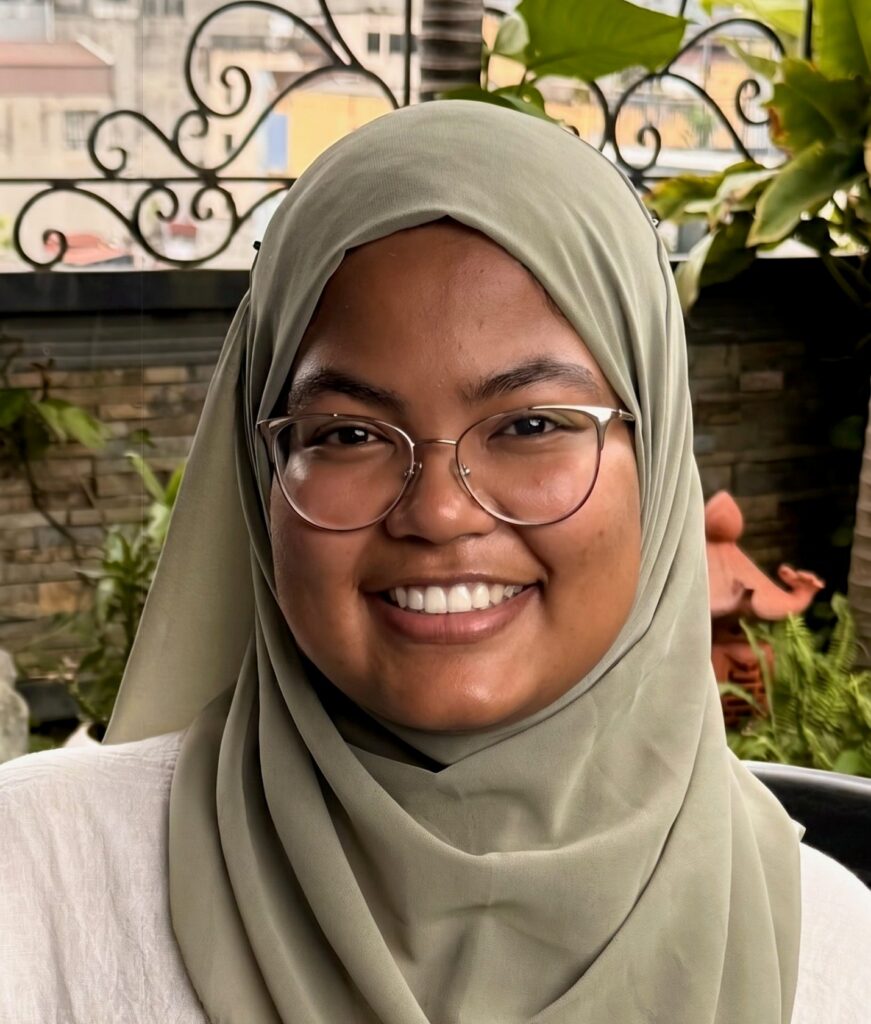
Hi, my name’s Noura Arbab, and I’m from New Jersey. I’m a junior at Harvard studying Integrative Biology with a secondary in Global Health and Health Policy on the pre-dental track. I’m interested in the intersection of scientific research and evidence-based health policy that supports community needs and promotes equitable access to healthcare. Outside of academics, I enjoy traveling and immersing myself in different cultures, exploring cuisines from around the world, learning new languages, and collecting photographs to preserve memories and experiences.
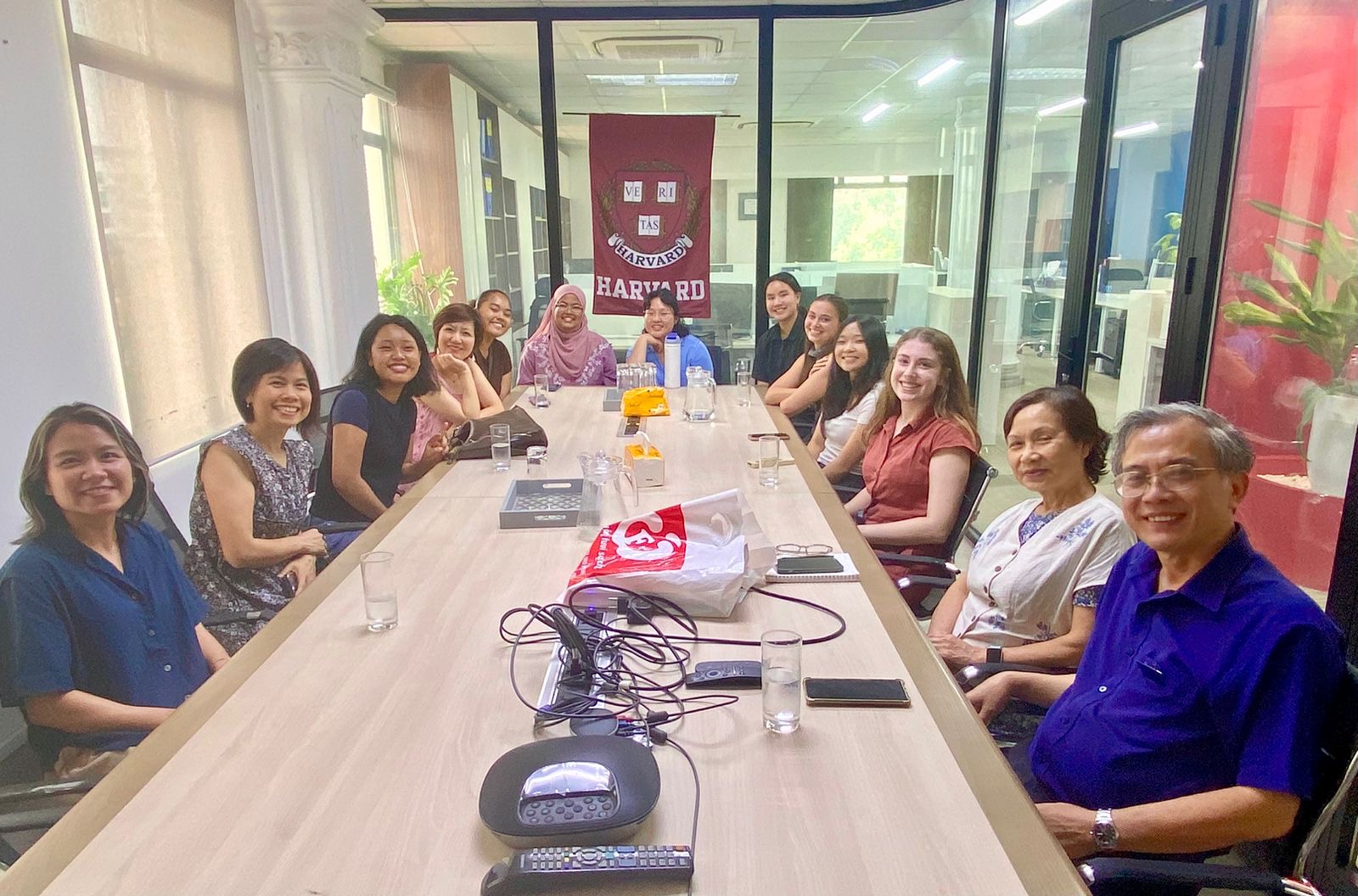
During my internship with the BIDMC HAIVN Primary Global Healthcare program in Vietnam, I worked on the Strengthening the Integrated Care and Treatment of Hepatitis (STITCH) project and a scoping review focused on competency-based medical education and post-training workforce planning for rural healthcare. For STITCH, I cleaned and analyzed patient demographic and experience survey data from Vietnam and the Philippines, conducted literature reviews and preliminary analyses on health literacy, and collaborated with teams across the U.S. and the Philippines on manuscript development. I also supported the development of implementation materials and public-facing videos for the STITCH 1.0 project. Through the scoping review, I conducted literature screening and data extraction and helped synthesize findings for a manuscript. Outside of my research, I volunteered at a palliative care center, where I supported elderly patients and learned to build trust despite language barriers through small gestures, routine, and the Vietnamese words I learned. This experience strengthened my understanding of comparative health systems, social determinants of health, and the role of research in informing health policy. Interning at HAIVN provided me with first-hand insight into what meaningful global health research looks like: collaborative, built on patience and trust, and deeply rooted in the community it serves
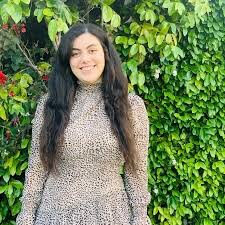
Hi, my name is Marvel, and I’m from Huntington Beach, California, but I was born and lived in Cairo, Egypt, for the first seven years of my life. I’m studying Biomedical Engineering and pursuing a concurrent master’s degree in Chemistry and Chemical Biology. I’m interested in combining hands-on engineering with health and innovation, particularly in biomedical research and translational science. Outside of academics, I love traveling, hiking, learning new languages, and pursuing a citation in American Sign Language. I’m also a miniature and crafting enthusiast and love creating miniature worlds.
During my internship at the Ragon Institute, I conducted malaria research under Dr. Azza Idris, with mentorship from Ganchimeg Bayarsaikhan and Simone Wall. My project focused on comparing the functional activity of three monoclonal antibodies targeting the Plasmodium falciparum circumsporozoite protein, using a three-dimensional Matrigel assay to examine how antibody identity and concentration affected parasite survival. I also helped maintain the insectary, raise mosquitoes, and infect them with parasites, giving me a hands-on understanding of the experimental process from mosquito to parasite to antibody testing. Through this experience, I learned how much precision and patience biological research requires and became more comfortable troubleshooting unexpected results, asking questions, and understanding experimental variability. Working with a three-dimensional model also strengthened my interest in how engineering principles can be used to create better models of biological systems. More broadly, the experience gave me a deeper appreciation for how scientific discoveries must be translated into accessible prevention strategies through collaboration across research, public health, clinical medicine, and implementation. Questions in science are perpetual, every research and discovery begins with a question, leading a tidal wave of curiosity.
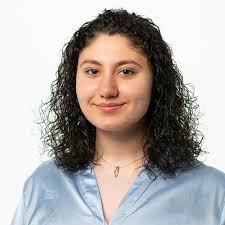
I’m from Dearborn, Michigan, and I’m a senior at Harvard College studying History & Literature and Human Developmental & Regenerative Biology. I’m passionate about understanding how social, historical, and structural factors shape health, with particular interests in health equity, food and water insecurity, and maternal and child health. Outside of the classroom, I’m involved in organizations focused on human rights, immigrant and refugee communities, and public health, and I also enjoy competitive powerlifting. I love learning languages and have spent the past few years studying Spanish, so living and working in a Spanish-speaking environment was an especially meaningful part of my internship experience.
During my internship with the Instituto de Investigaciones para el Desarrollo con Equidad (EQUIDE) at Universidad Iberoamericana in Mexico City, I worked on projects examining the intersection of food insecurity, household water insecurity, and maternal and child health in Mexico. I analyzed nationally representative survey data, developed policy briefs and data visualizations, and supported scientific communications for the Water Insecurity Experiences Latin America and the Caribbean (WISE-LAC) network. I also collaborated with researchers at Mexico’s National Institute of Perinatology to incorporate measures of food and water insecurity into an ongoing maternal health study and develop tools to improve participant tracking. One of my biggest takeaways was learning that evidence alone rarely changes health outcomes; it must also be accessible and relevant to the people making decisions. This experience deepened my interest in the intersection of medicine, public health, and health policy, while giving me a greater appreciation for how research can help address the structural conditions that shape health inequities.
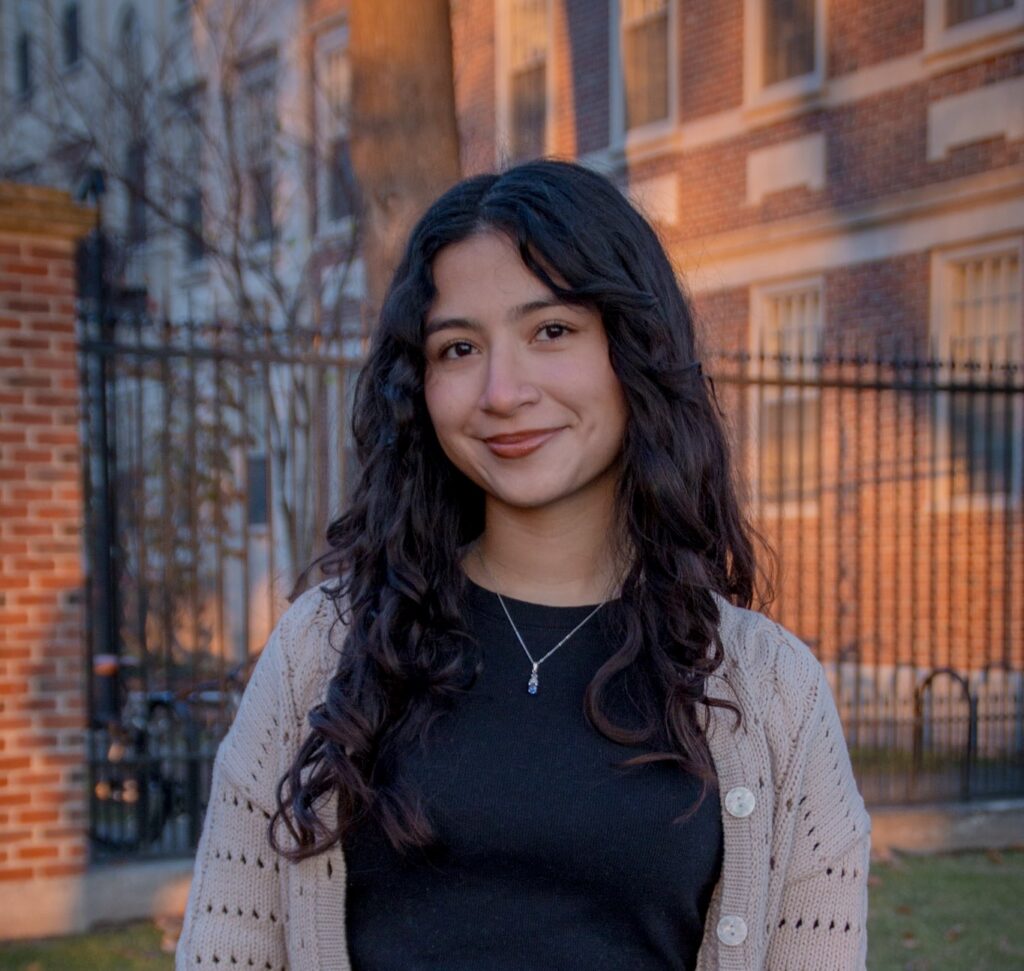
Hi, my name is Melany, and I’m a rising junior from Long Island, New York, studying Applied Mathematics with a secondary in Global Health and Health Policy. I’m interested in using quantitative methods to understand biological systems and improve healthcare, with a particular interest in medicine, research, and global health. At Harvard, I conduct bacterial vaginosis research at the Harvard T.H. Chan School of Public Health, supervise at the Harvard Square Homeless Shelter, and mentor high school students through Radcliffe’s Emerging Leaders Program. Outside of academics, I love trying new coffee shops and restaurants.
During my internship with the Botswana-Harvard Health Partnership (BHP) in Gaborone, Botswana, I contributed to research focused on cervical cancer prevention and clinical research in women’s health. I initially supported an HPV self-testing implementation study, traveling to rural clinics to help train healthcare professionals on using HPV self-testing kits and educating patients about their use. When a supply chain crisis prevented the kits from arriving, I adapted my work and independently developed a perspective piece on the importance of including pregnant and lactating people in clinical trials, researching international policies, challenges, and advocacy efforts. I also shadowed physicians across specialties including obstetrics and gynecology, internal and infectious diseases, anesthesia, and pediatric orthopedics, while contributing to projects on BHP staff mental health and physician research websites. Through these experiences, I learned how important adaptability and initiative are in global health, where changing circumstances can quickly reshape a project. I also gained a deeper understanding of how global health work can be rooted in collaboration and knowledge exchange rather than replacing the expertise of local professionals. BHP taught me that there is no single path into global health, but every path is rooted in collaboration, adaptability, and a willingness to learn.
Hi, my name is Merissa, and I’m from Norfolk, England. I’m studying Economics with a minor in Global Health and Health Policy, and I’m interested in the intersection of economics, healthcare, and social policy. Outside of academics, I enjoy walking along the Charles River with friends, bluebiking into Boston, and playing badminton. A fun fact about me is that I’ve danced for the British Royal Family at the Chelsea Flower Show!
During my internship at Mass General Hospital’s DREAM Lab, I worked on research at the intersection of healthcare and economics. I conducted the first cost-effectiveness analysis of generative AI therapy, using economic modeling and data analysis to examine how emerging technologies could be used to improve mental health outcomes. I presented this research to researchers and faculty at MGH and at the Harvard Summer Research Poster Presentation and also developed a public cost-comparison tool. I also contributed to a qualitative study exploring stakeholders’ cultural understanding of domestic violence care in India, drawing on my previous research experience in rural India. Through these projects, I developed skills in cost-effectiveness analysis, Markov modeling, statistical analysis, qualitative research, and communicating technical findings to different audiences. More broadly, the experience showed me how interdisciplinary collaboration can generate new research questions and inform creative solutions. My experience has shown me the importance of interdisciplinary work, and how combining strengths with those from other fields informs better understanding and creative solutions.
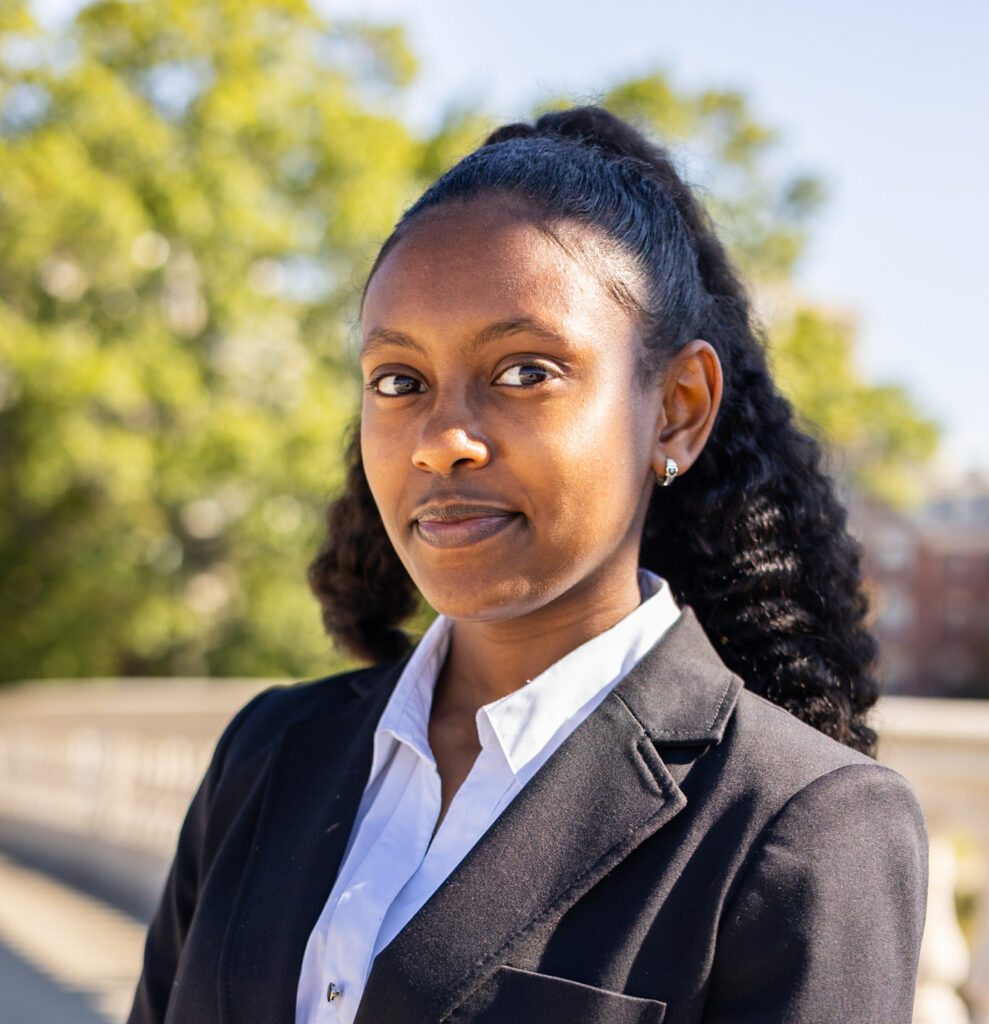
Hi, my name is Mieti Adi, and I’m from Virginia. I study Human Evolutionary Biology with a secondary in Global Health and Health Policy at Harvard. My interest in this field was sparked by a guest lecture in my introductory biology class, where a speaker used new scientific research to connect human evolution to current medical conditions. I’ve since become particularly interested in the intersection of research, medicine, and global health. Outside of classes, I enjoy designing clothes and practicing judo.
During my internship as a research assistant at the Rubin Lab in the Immunology and Infectious Disease Department at Harvard T.H. Chan School of Public Health, I worked on a drug discovery project investigating an inhibitor and its ability to kill Mycobacterium smegmatis, with the goal of generating findings that could contribute to the development of new treatments for tuberculosis. I learned fundamental microbiology techniques, including bacterial transformation, plate making, and drug testing assays, and used existing data to plan experiments and analyze results. As I became more comfortable in the lab, I took on greater independence in designing and carrying out experiments. One of my biggest takeaways was discovering how adaptable and collaborative research can be, and how much scientific progress is driven by curiosity and enthusiasm. With this opportunity to explore the research side, I feel more certain than ever that this is the right future for me. This experience gave me greater confidence in my interest in pairing global health research with patient-facing care in my future career.
A Student’s Reflection on Tuberculosis Research: Inside the Rubin Lab
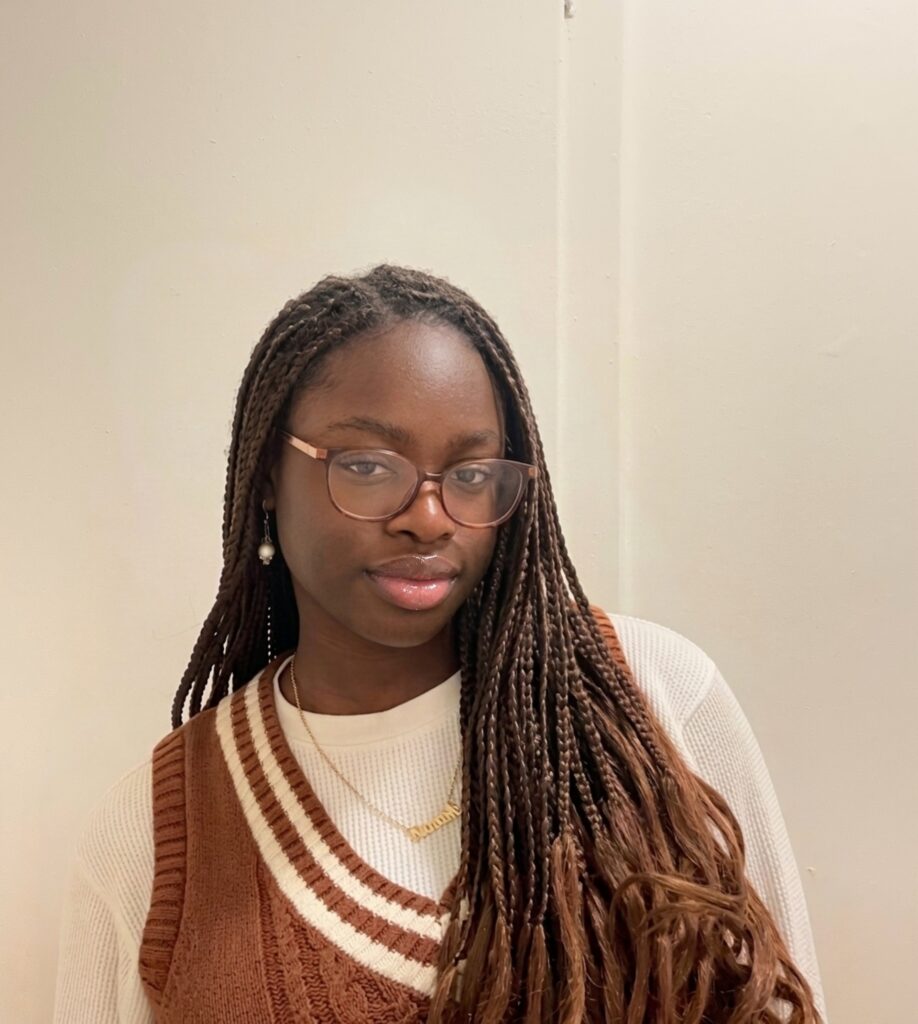
Hi, my name is Morola Ajuwon, and I’m from Katy, Texas. I study Neuroscience on the pre-med track with a secondary in Theatre, Dance, & Media at Harvard. My interest in neuroscience was inspired in part by my two younger sisters, who are on the autism spectrum, as well as my fascination with the complexities of the brain. Alongside my interest in the sciences, I have a longstanding passion for dance, writing, and the performing arts, and I hope to bring a more humanistic and creative approach to medicine. At Harvard, I’m involved in PBHA, the Omo Naija Dance Team, and the Harvard-Radcliffe Dramatic Club.
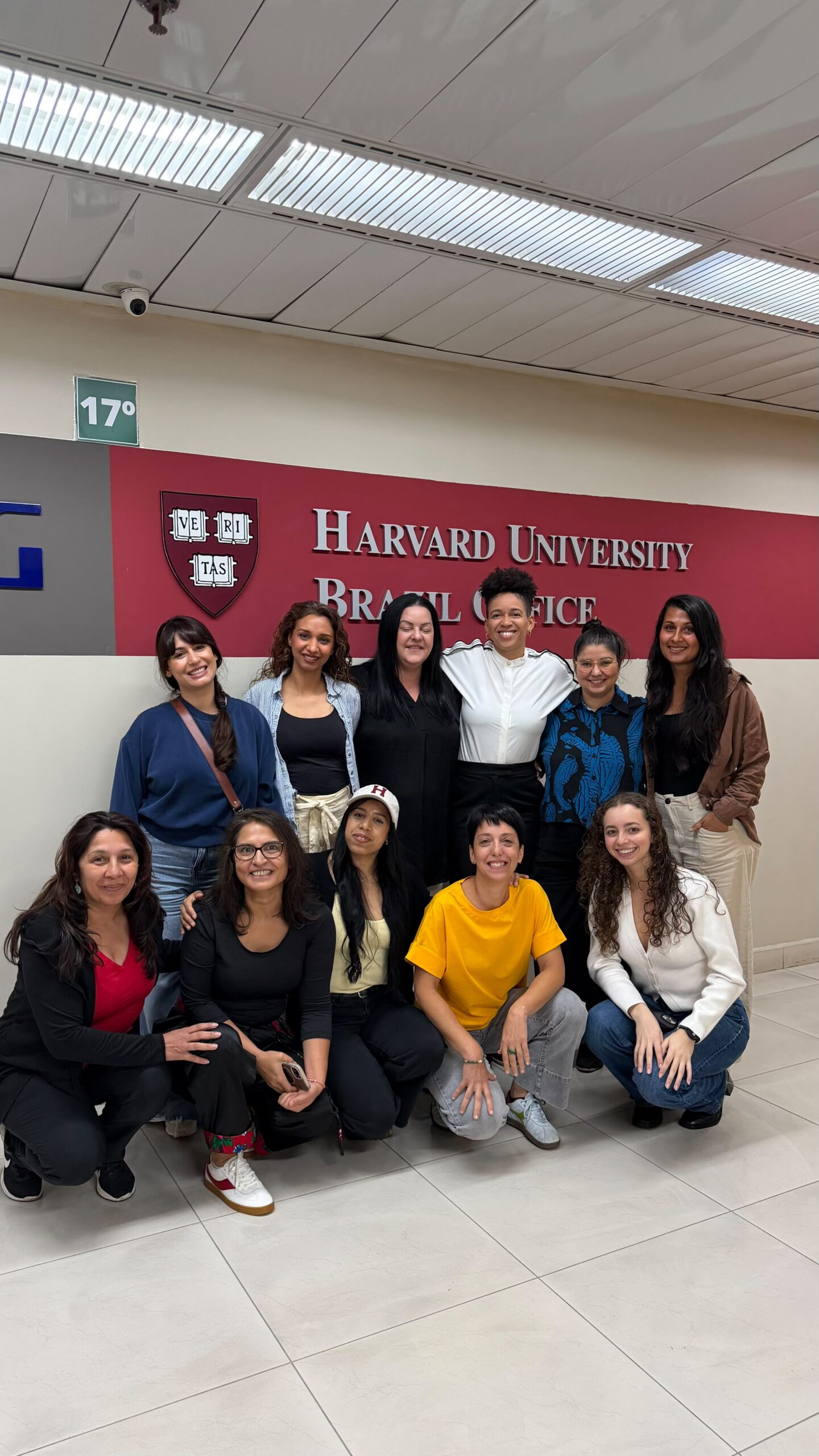
During my internship at the Art and Global Health Center (AGHC) at UCLA, I supported projects focused on sexual health education, reproductive rights, and empowerment through arts activism. I helped support Sex Squad, an arts-based peer education program in which UCLA students create and perform sexual health education shows for high school students, and assisted with directing and coordinating AGHC’s Summer Activist Workshop. I also contributed to a large-scale archival project documenting the center’s past art installations, supported preparations for the International AIDS Conference in Rio de Janeiro, and created two dresses made from different colored condoms as a creative project. The experience showed me firsthand how art and storytelling can be powerful tools for advocacy and community-driven change. It also strengthened my interest in combining creative approaches with healthcare communication and medicine. As I reflected on the experience, I realized that this internship experience has reinspired and challenged me to think about how I can leave my impact and spark change in the world.

Hi, my name is Nadia Borja, and I’m a rising senior studying Psychology and Social Studies with a secondary in Global Health at Harvard. As a former competitive gymnast, I became interested in how closely mental and physical health are connected, which led me to research eating disorders and write my thesis on how restrictive eating has come to feel coherent to people across history. I’m especially interested in the ways health is shaped not only by what happens within an individual, but also by the systems and communities around them. Outside of academics, I enjoy running along the river, searching for coffee Oreo ice cream in Boston, and FaceTiming my twin, who looks nothing like me.
During my internship at the Mental Health for All Lab in the Department of Global Health and Social Medicine at Harvard Medical School, I worked on EMPOWER, a program that trains people without clinical backgrounds to deliver mental health care in communities where specialists are scarce. I focused on developing the program’s peer support curriculum, transforming 58 video scripts into accessible, interactive lessons across 11 modules. I created graphics, knowledge checks, and scenarios designed to make complex clinical concepts approachable for learners with different levels of training and access to mental health resources. Through this work, I learned how much happens after research establishes that an intervention works, particularly when it comes to making that evidence accessible and adapting it across different settings. As I reflected on my experience, I realized that this summer redefined what research meant to me. It introduced me to the implementation and strategy behind bringing evidence-based interventions to more people and sparked my interest in pursuing strategy, particularly in healthcare or life sciences consulting.

Hi, my name is Sarah Kim, and I’m from Texas. I’m an incoming junior at Harvard studying Molecular and Cellular Biology with a secondary in English. I’m interested in medicine, health policy, and implementation research, with aspirations to become a physician and surgeon and eventually contribute to improving healthcare systems. Outside of academics, I enjoy writing and volunteering in my communities.
During my internship with BIDMC’s Healthcare Associated Infections and Antimicrobial Resistance Network (HAIVN) in Vietnam, I contributed to projects focused on strengthening health systems and improving healthcare access. I supported a scoping review on competency-based rural medical education and post-training workforce distribution, contributed to data cleaning and analysis for patient experience surveys in Vietnam and the Philippines, and helped create videos and posters for the STITCH project. I also volunteered at a palliative care center, where I assisted with caring for elderly patients. Through these experiences, I developed technical skills in data analysis and research while gaining a deeper understanding of Vietnam’s healthcare system, the challenges facing rural health systems, and the importance of sustainable, locally driven solutions. I also learned how patient trust, cultural humility, and historical context can shape access to care and international collaboration. Most importantly, my time in Vietnam helped me recognize that many barriers to healthcare are rooted in systems rather than a lack of capable providers, strengthening my interest in global public health research alongside a future career in medicine. My internship in Vietnam has been transformative, teaching me about culture, adaptivity, and directing my future career path. I think this has been the most valuable summer experience I could have had.

Hi, my name is Sierra Pape, and I’m a sophomore from Atlanta, Georgia, studying Government and History at Harvard. I’m interested in the infrastructure of sustainable and effective global development and how history helps us understand the societies, laws, and cultures shaping the present. Outside of academics, I write about the law school for The Crimson, lead outdoor trips through the Harvard Outing Club, and enjoy reading, running, and biking.
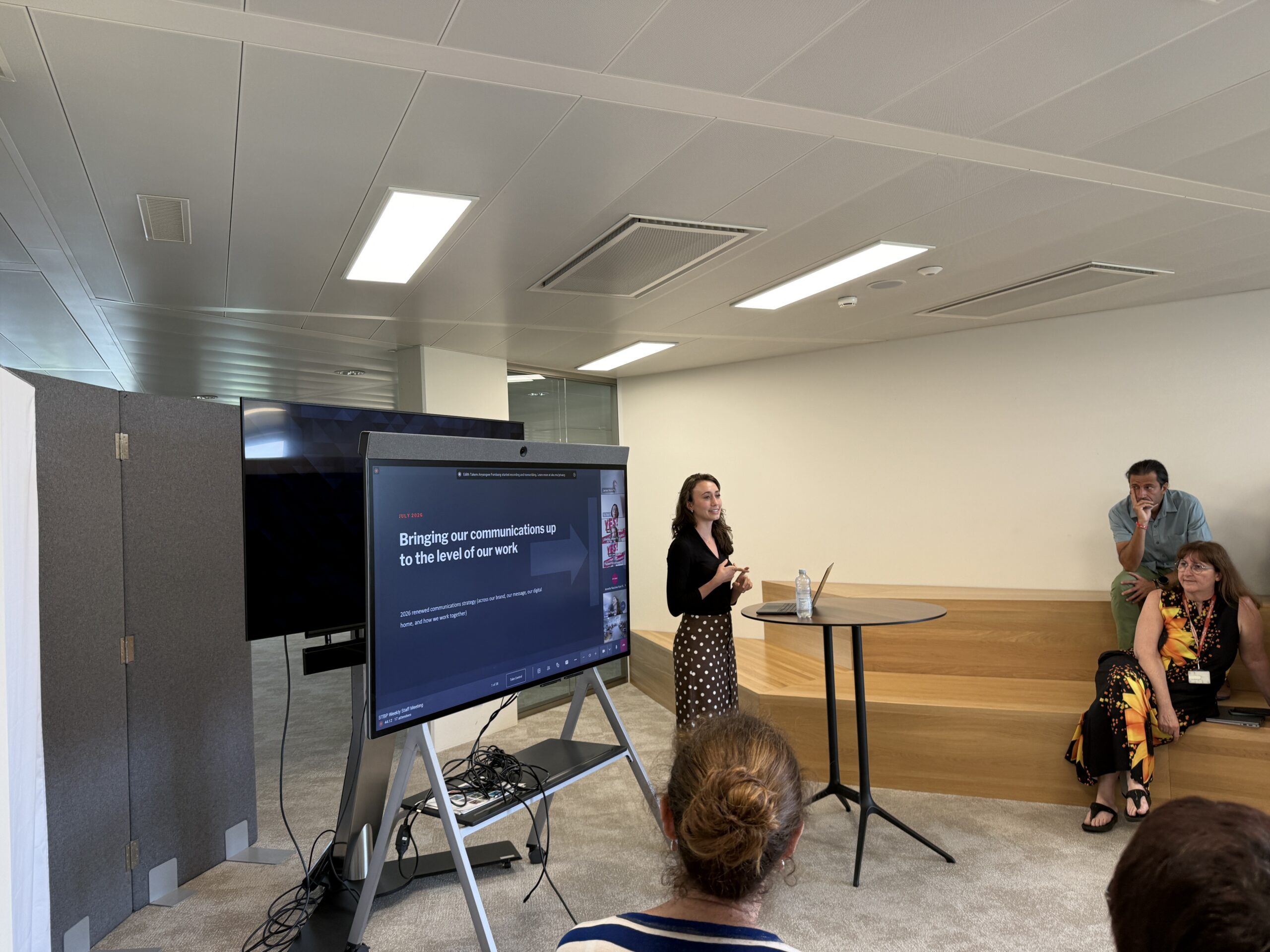
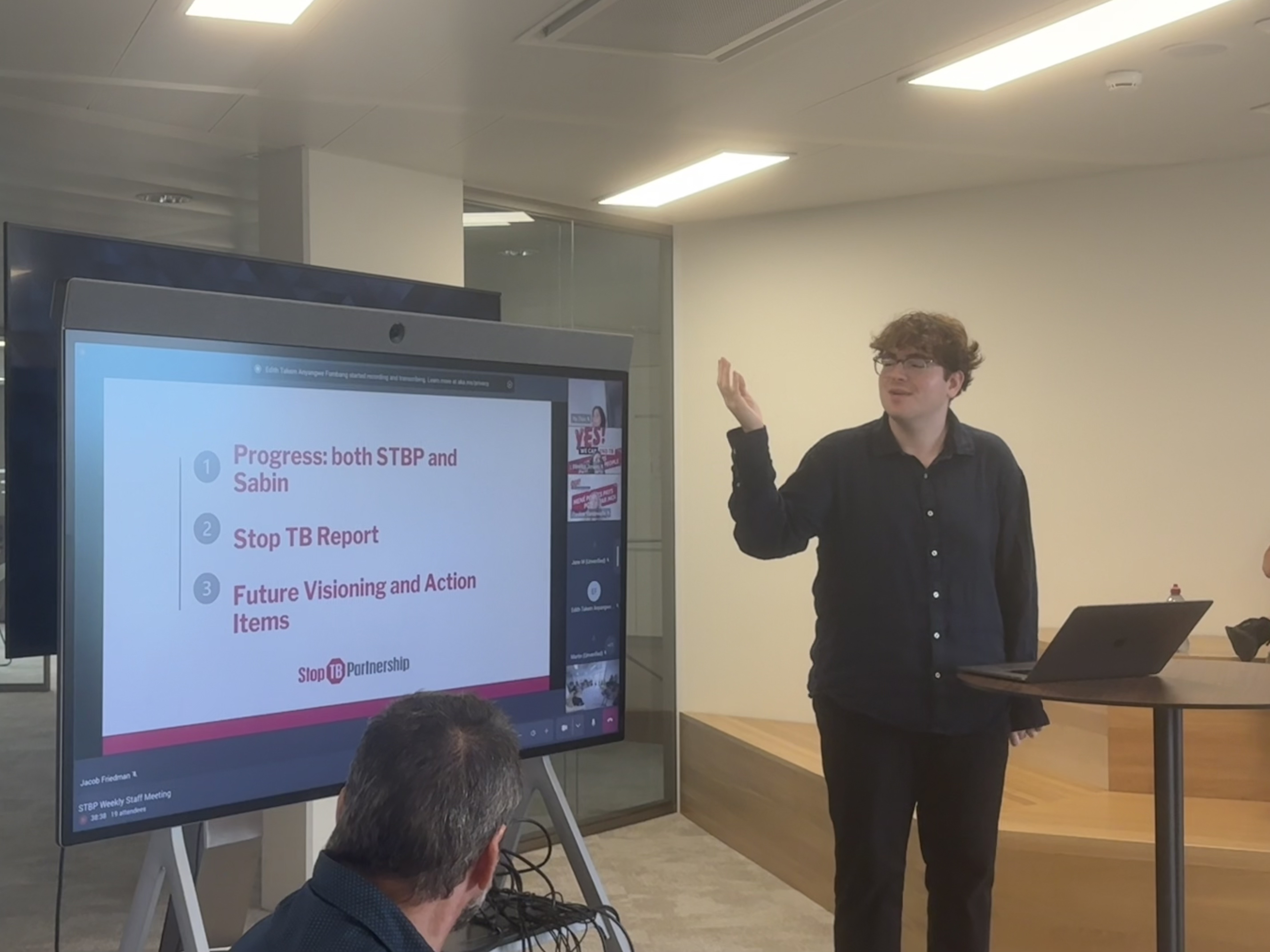
During my internship with the Stop TB Partnership through the United Nations Office for Project Services in Geneva, I worked on strengthening donor and grantee relationships through communications strategy, digital tools, branding, workflows, and storytelling. With no communications team in place, I interviewed more than half of the organization, conducted an audit of its communications, and developed a 10-page brief and presentation that helped shape my work for the rest of the summer. I then built a messaging strategy from the ground up, working across teams to communicate Stop TB’s impact and the broader connections between tuberculosis and global health. Through this experience, I learned how much I enjoy understanding complex organizations, identifying areas for improvement, and developing solutions that bring different teams together. I also gained my first experience working within an international organization and a deeper understanding of the structures and relationships that shape international development. As I reflected on the summer, I found that strong donor and grantee relationships are essential to this work, and I was fortunate to help the team build them, tightening how they communicate across groups and improving the messaging strategy, digital tools, brand, workflows, and storytelling that support those relationships. Thank you Stop TB and HGHI for this opportunity!
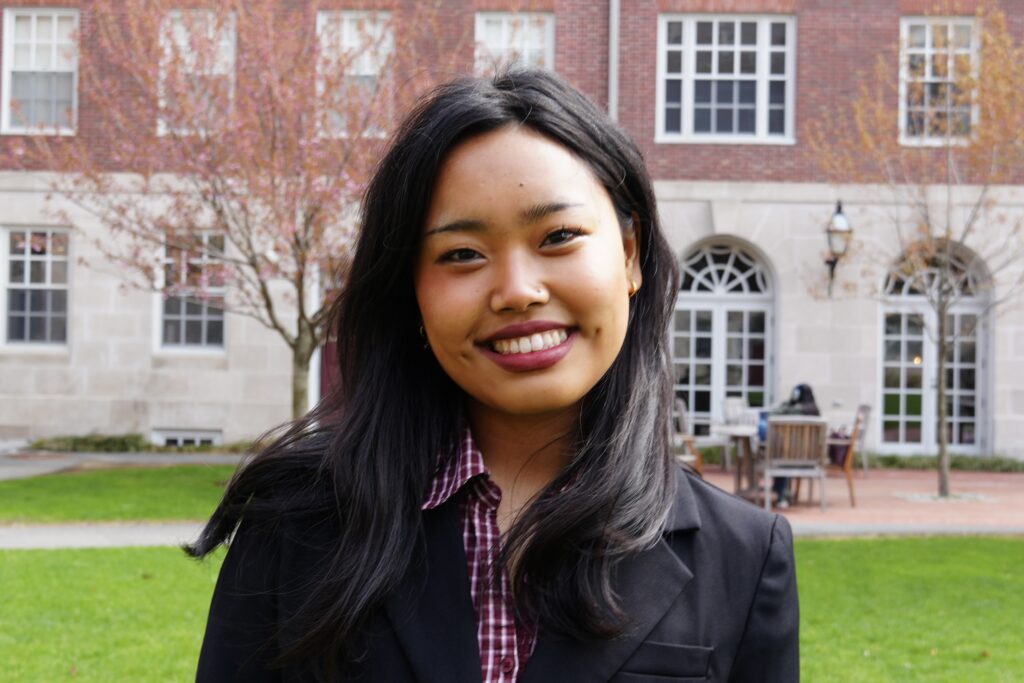
Hi, my name is Simran, and I’m from Boston, Massachusetts. I’m a junior studying Biomedical Engineering and Anthropology, and I’m interested in the intersection of health and technology. Outside of academics, I enjoy going on walks, baking, and sewing.
During my internship at Vietnam National University, I explored public health and medicine in Vietnam, with a focus on access to sexual and reproductive health resources. I conducted literature reviews, participated in site and field visits, and spoke with people directly affected by the health issues I was studying. I also volunteered at NewHorizon Care Center, where I worked alongside medical professionals and connected with mostly elderly patients, learning about their lives, cultures, and traditions despite language barriers. These experiences strengthened my interest in public health careers that involve meaningful human interaction and taught me the importance of approaching global health with cultural respect, curiosity, and an open mind. There’s so much beauty in exploring a new place through many different lenses beyond your internship
Hi, my name isYukiko, and I’m from Hartland, Wisconsin. I’m currently undecided in my concentration and on the pre-medical track, with interests in Chemistry and Neuroscience. I’m fascinated by how economic, cultural, environmental, and political factors shape access to healthcare and stigma around health needs. Outside of academics, I enjoy creative writing, playing tennis, and baking.
During my internship with Dignity for Daughters in Iringa, Tanzania, I worked with a nonprofit focused on menstrual equity and sexual and reproductive health education. I supported projects including educational materials, survey data, grant writing, website updates, and donor outreach. I also documented anonymous questions from girls during health education sessions, which showed me the importance of tailoring education to community needs. Conversations with local women helped me better understand how cultural history shapes health stigma and perceptions of menstruation. Through this experience, I gained a deeper understanding of the interconnected challenges shaping health and strengthened my interest in global health partnerships rooted in collaboration and sustainability. I deeply value my experience working with Dignity for Daughters in Iringa, Tanzania through HGHI’s summer internship program. I learned so much about the intersectionality of human challenges in healthcare and got real-world experience working with an organization that provides employment opportunities to women, education to students, and menstrual kits to girls in order to address the challenges to women’s financial independence, understanding of sexual and reproductive health, and menstrual equity. This experience encouraged me to work closely with others in a cultural environment deeper than my own and has inspired me to continue deepening my understanding of systems and communities around the world to work collaboratively towards genuine solutions.
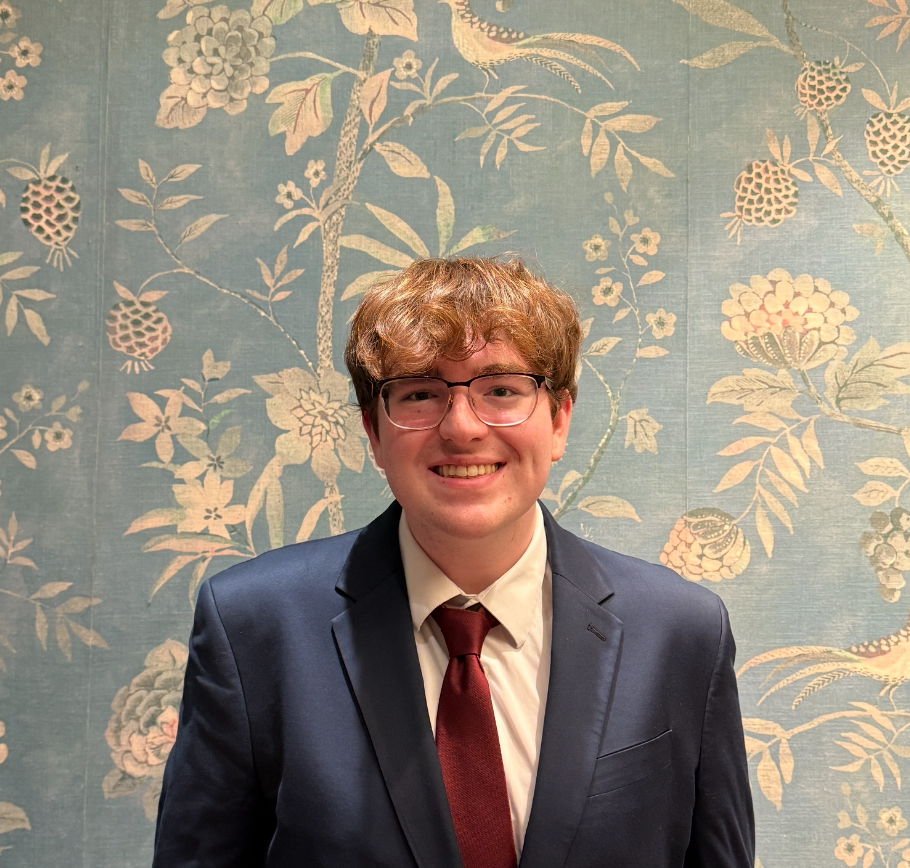
Hi, my name is Jacob H. Friedman, and I’m from New Smyrna Beach, Florida. I’m an incoming junior at Harvard studying Human Developmental and Regenerative Biology with a secondary in Environmental Science and Public Policy and a Chinese language citation. I’m interested in medicine and global environmental health, particularly through both molecular and policy perspectives. At Harvard, I work in the Moazed Lab at Harvard Medical School, co-lead PBHA’s Environmental Action Committee, and am involved with the Harvard Undergraduate Research Association, Leverett House Committee, and Harvard-Radcliffe Dramatic Club. Outside of academics, I enjoy walking along the Charles River, learning languages, and exploring new places with friends.
During my internship with the Stop TB Partnership through the UN Office for Project Services in Geneva, Switzerland, I worked on projects focused on asymptomatic tuberculosis and TB vaccine perceptions. I reviewed research on subclinical TB, analyzed patient-level data from Indonesia to examine differences in the ability of computer-aided detection platforms to identify TB in symptomatic and asymptomatic patients, and contributed to a grant application supporting Stop TB’s work in Uganda. I also cleaned and analyzed survey data on perceptions of a potential TB vaccine using R and presented my findings to Stop TB and Sabin Vaccine Institute leadership. Beyond my research, I participated in meetings with partners across multiple countries and spoke with global health professionals working across TB and emergency response, which gave me a broader understanding of the collaborative nature of global health. The experience strengthened my research and data analysis skills while deepening my interest in medicine, global health, and the role of policy in improving health outcomes. I found that interning this summer at Stop TB Partnership, through the UN Office for Project Services in Geneva, was simply transformative. I was able to work on interesting analyses of asymptomatic tuberculosis and novel vaccine perception data over the 10 weeks, additionally learning about global health as a field.
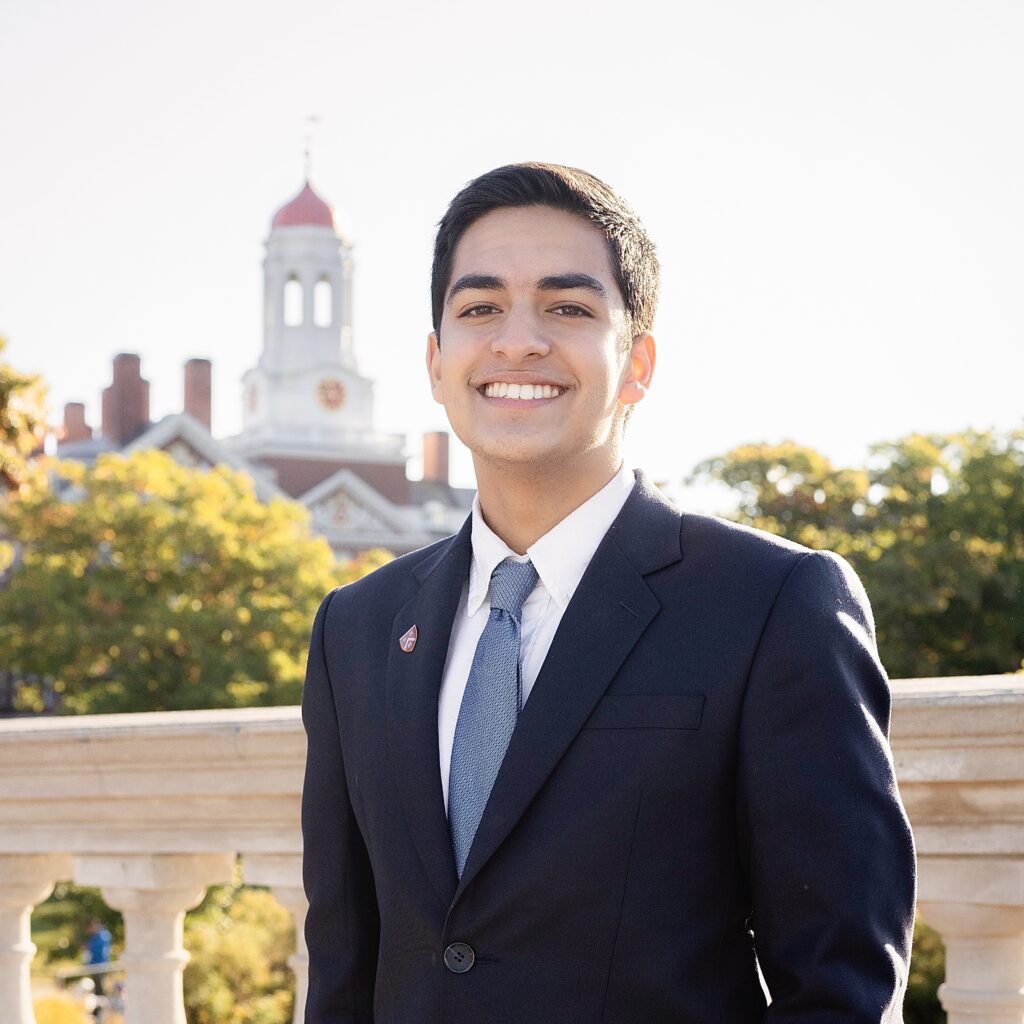
Hi, my name is Zain, and I’m a rising sophomore from Brentwood, California, studying Neuroscience and anthropology with a secondary in Global Health and Health Policy. I’m interested in adolescent health, health systems strengthening, and advancing public health in underserved communities. At Harvard, I’m involved with the Harvard Undergraduate Global Education Movement and conduct research related to adolescent health. Outside of academics, I enjoy hiking, exploring cities, and finding good food.
During my internship with the NHS England Strategy Team in the United Kingdom, I gained a national-level perspective on healthcare systems and contributed to strategic work focused on health inequalities, prevention, and the long-term future of the NHS. I supported the development of an outcomes framework for the NHS 10-Year Health Plan, focusing on Healthy Life Expectancy and population health, and later contributed to the Prevention Accelerators programme through projects on innovative prevention initiatives and Creative Health. Through this work, I learned how complex health strategy can be, with competing priorities, limited resources, diverse stakeholders, and difficult questions about how to translate evidence into action. I also became increasingly interested in systems-level questions: why health problems persist, what incentives shape them, and what needs to change to improve outcomes at scale. Most importantly, the experience helped me recognize that I’m energized by building strategies, connecting ideas, and thinking about how healthcare systems can work differently. Working at NHS England changed the way I think about impact in healthcare. I came away realizing that improving health is not only about what happens between a patient and a provider, but also about building systems that give entire communities a better chance to live healthy lives.

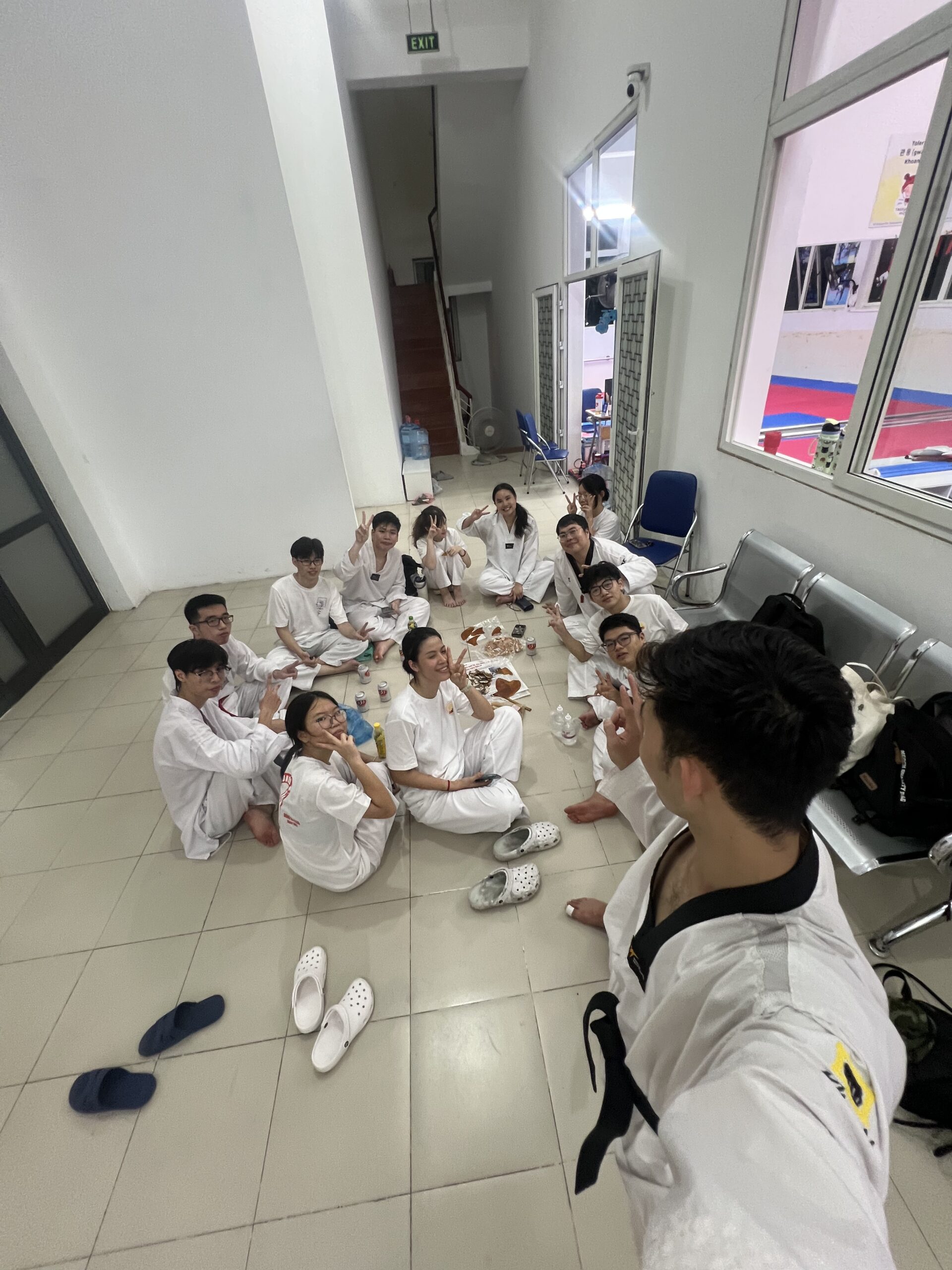
Hi, my name is Christina Le, and I’m a second-year student from New Orleans, Louisiana, studying Electrical Engineering. I’m interested in the intersection of technology, medicine, and law, with aspirations to become a patent attorney specializing in medical technologies or microprocessors. As a Vietnamese-American, I’m also passionate about connecting with Vietnamese culture and strengthening my language skills. Outside of academics, I enjoy cooking, practicing taekwondo, and spending time with friends.
During my internship at the National University of Hanoi, University of Medicine and Pharmacy (VNU-UMP), I contributed to research on drug use and perceived accessibility among Vietnamese youth by editing and writing the discussion section of a manuscript based on survey data from 792 participants across Vietnam. I also developed a video script with the Research and Training Center for Community Development (RTCCD) focused on seasoning in infant food, translating research into accessible information for caregivers in lower-income and vulnerable communities. Volunteering at the New Horizon Palliative Care Center gave me another opportunity to develop my communication and empathy while working with older and more vulnerable populations. Through these experiences, I strengthened my analytical and academic writing skills while learning the importance of making health information approachable and relevant to the communities it serves. I also gained a deeper appreciation for cultural awareness and became more open to working internationally in the future. From the things you’ll eat to the people you’ll meet, nothing can replicate living and working in a foreign country for ten weeks—a transformative experience nothing less than incredible.
Photo Gallery



Screenshot
Screenshot
Screenshot
Screenshot
Screenshot
Screenshot