RECORDING: How Abortion Criminalization Affects Maternal Health in Cases of Severe Fetal Anomaly: Insights from El Salvador
In this Research and Innovation Session, Jocelyn Viterna, PhD, presents research findings on the maternal health consequences of abortion criminalization in pregnancies involving severe fetal anomalies in El Salvador, and discusses the implications for reproductive health policy in the United States.
Featuring:
Speaker: Jocelyn Viterna, PhD, Professor of Sociology, Harvard University
Moderator: Jacqueline Bhabha, JD, MSc, Professor of the Practice of Health and Human Rights, Harvard T.H. Chan School of Public Health; Jeremiah Smith, Jr. Lecturer in Law, Harvard Law School; Adjunct Lecturer in Public Policy, Harvard Kennedy School
Conclusions
El Salvador data provide important new knowledge about how severe fetal anomalies can cause health complications in pregnant women, and how the likelihood of severe health complications increases the longer a pregnancy gestates.
Abortion bans that prohibit the interruption of pregnancies with severe fetal anomalies always focus on the moral status of the fetus – it’s right to a “natural” death – but ignore the fundamental human rights of pregnant women to equity, health, and freedom from torture.
Abortion prohibitions in cases of severe fetal anomaly demonstrate how notions of “natural” are nonsensical in health care settings, where medical interventions are frequently required to manage pregnancy and initiate birth.
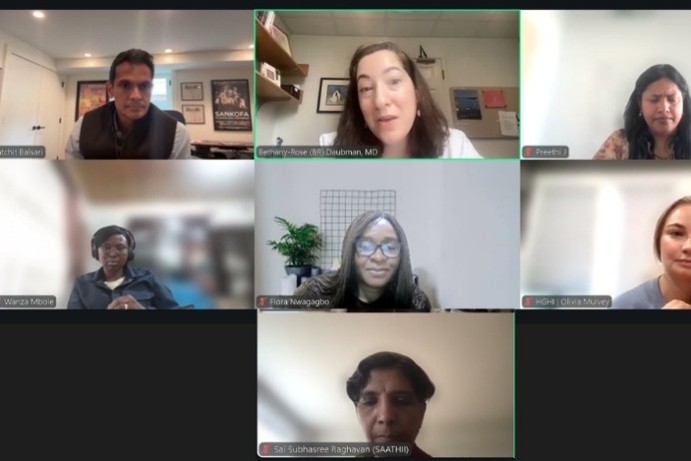
At a recent Harvard LEAD Fellowship alumni workshop, 12 fellows from 10 countries explored with Satchit Balsari how global health leaders can address the growing public health challenge of heat.
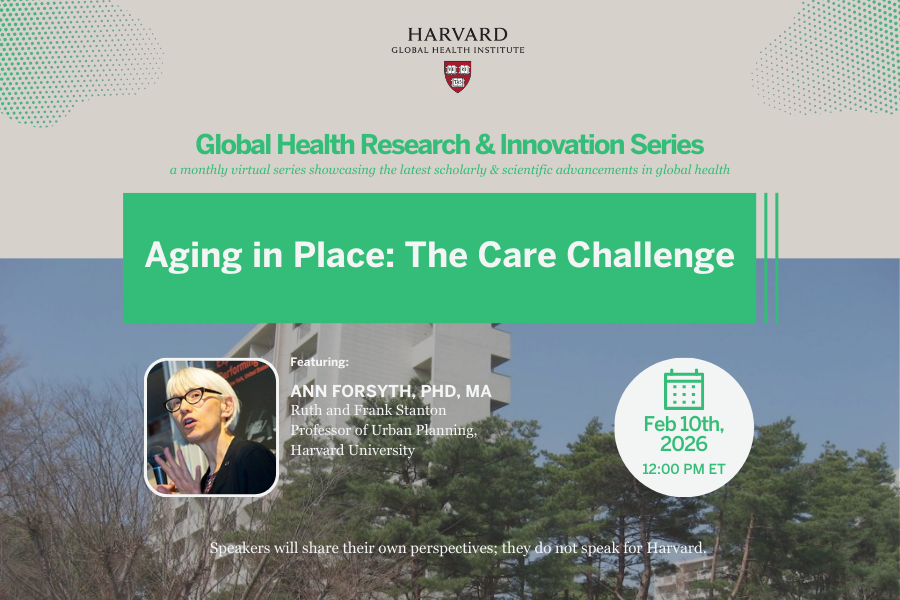
In this talk, Professor Ann Forsyth explores how the built environment can support older adults who wish to remain in their homes and communities as they age.
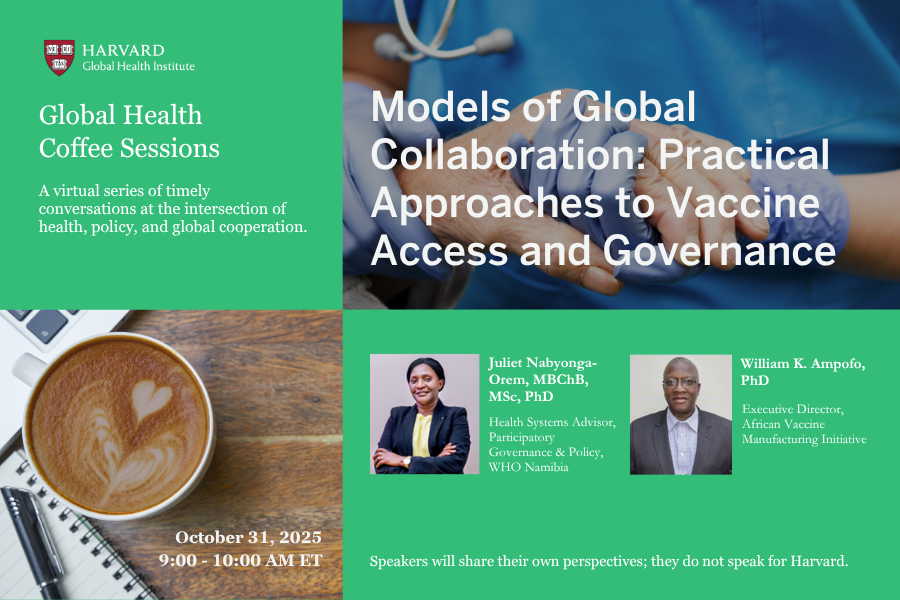
This panel explores how nations are advancing local vaccine manufacturing to accelerate health equity, offering insights into what national ownership looks like for vaccine development and distribution today, especially as traditional donor support declines.