Date: April 10th, 2025
Time: 8:45am – 4:00pm Eastern Time
On April 10, 2025, the Harvard Global Health Institute convened its third annual Global Health Symposium under the theme “Delivering on the Promise of Health Equity” at Harvard University’s Smith Campus Center. The event brought together leading experts in global health, humanitarian response, public policy, and health systems to examine some of the most urgent challenges shaping the global health landscape today. You can read more about each of the sessions below, watch the session recordings, or download the 2025 Global Health Symposium Report.
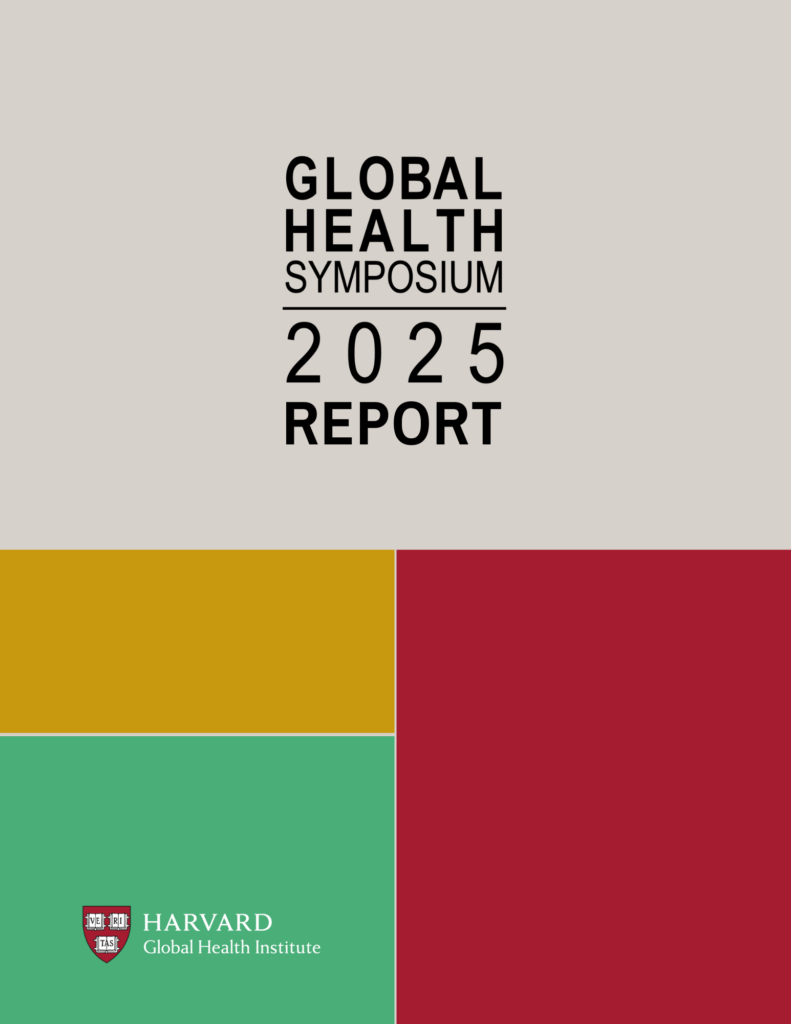
Download the 2025 Global Health Symposium Report.
Date: April 10th, 2025
Time: 8:45am – 4:00pm Eastern Time
Louise Ivers, MD, MPH, DTM&H, Director, Harvard Global Health Institute; Director, Massachusetts General Hospital Center for Global Health; David Bangsberg MD, MPH Endowed Chair in Global Health Equity, Mass General Hospital; Professor of Global Health and Social Medicine, and Professor of Medicine at Harvard Medical School
George Daley, MD, PhD, Dean of the Harvard Medical School and the Caroline Shields Walker Professor of Medicine at the Harvard Medical School
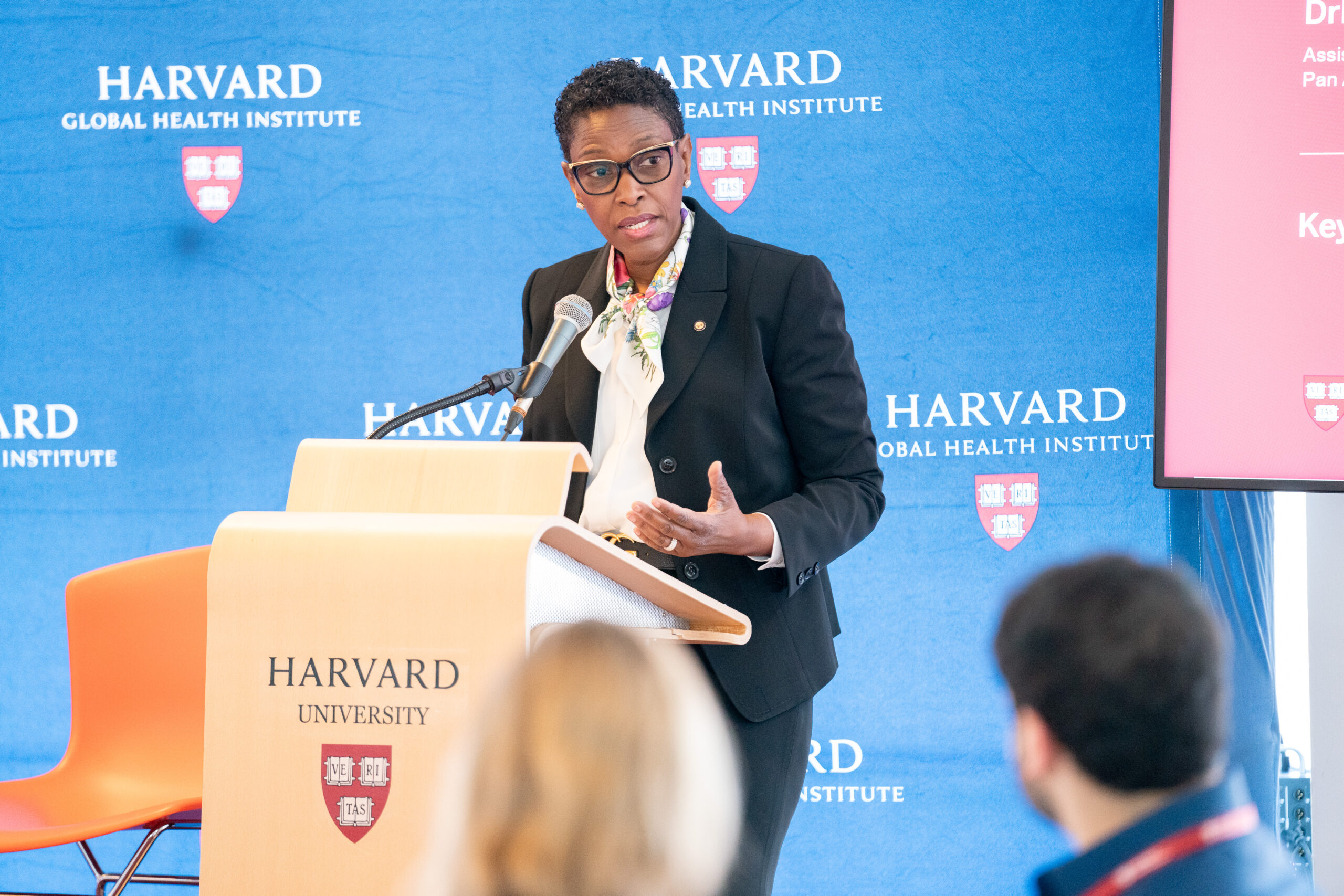
Rhonda Sealey-Thomas, DrPH, MPH, Assistant Director, Pan American Health Organization (PAHO), United Nations
Introduced by Louise C. Ivers, MD, MPH, DTM&H, Director, Harvard Global Health Institute
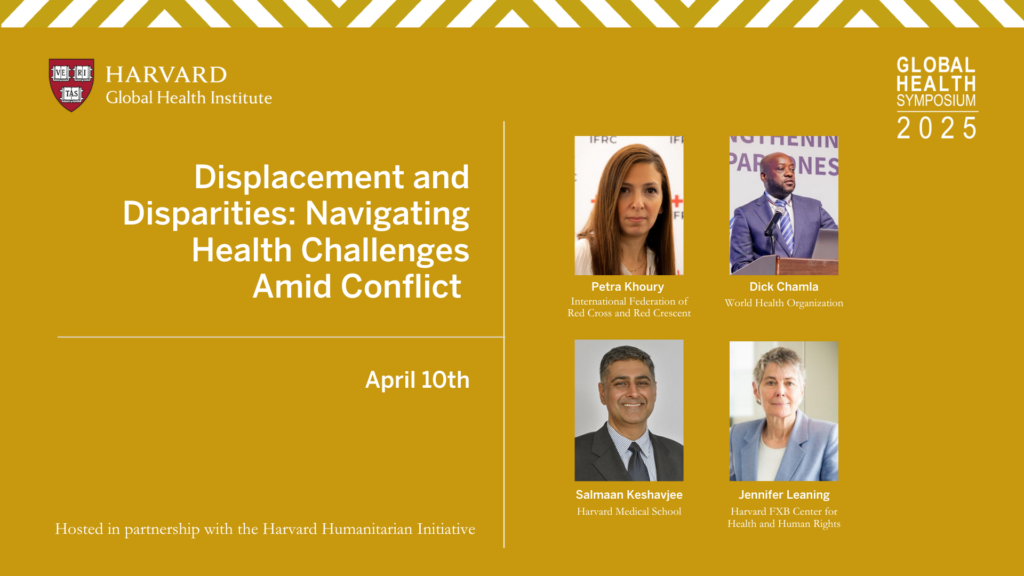
hosted in partnership with the Harvard Humanitarian Initiative
Introduced by Michael VanRooyen, MD, MPH, Director, Harvard Humanitarian Initiative
Petra Khoury, PharmD, Global Director of Health and Care, International Federation of Red Cross and Red Crescent
Dick Chamla, MD, MPH, Head, Emergency Preparedness for Africa Region, World Health Organization
Salmaan Keshavjee, MD, PhD, ScM, Director, Harvard Medical School’s Center for Global Health Delivery; Professor of Global Health and Social Medicine, Department of Global Health and Social Medicine, Harvard Medical School; Associate Professor of Medicine, Division of Global Health Equity, Brigham and Women’s Hospital
Moderated by Jennifer Leaning, MD, SMH, Senior Research Fellow, Harvard FXB Center for Health and Human Rights; Professor of the Practice of Health and Human Rights, retired; Harvard T.H. Chan School of Public Health
The escalation of global conflict has given rise to an increasingly complex health and humanitarian crisis, with growing migration exacerbating interconnected challenges to human well-being. From the immediate effects of armed conflict to the long-term impacts of post-war recovery, these crises deepen health inequities and place vulnerable populations at even greater risk. The impacts of conflict do not stop at the border, and neighboring countries are receiving a significant influx of displaced populations, further stretching already fragile health systems. This session will explore the critical issues of healthcare access and mass displacement, focusing on the heightened risk of infectious diseases, physical injuries, and mental health challenges. Panelists will share insights on how humanitarian organizations and governments respond to these crises, highlighting strategies for strengthening health systems and security, managing emergencies, and implementing innovative medical interventions.
Introduced by Marcella Alsan, MD, PhD, MPH, Director, Health Inequality Lab, Angelopoulos Professor of Public Policy, Harvard Kennedy School
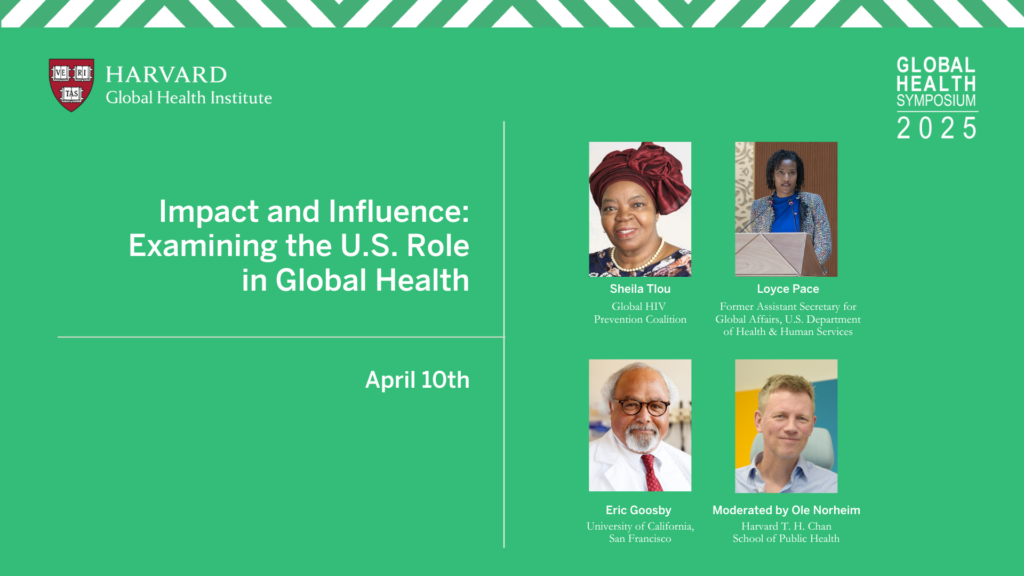
Loyce Pace, MPH, Former Assistant Secretary for Global Affairs, U.S. Department of Health & Human Services; Biden-Harris COVID-19 Advisory Board Member
Eric Goosby, MD, Professor of Medicine and Director of Global Health Delivery and Diplomacy, Institute for Global Health Sciences, at the University of California, San Francisco
Sheila Tlou, PhD, RN, FAAN., FCAN, Co-Chair, Global HIV Prevention Coalition, Special Ambassador, African Leaders Malaria Alliance, Champion, Nursing Now Challenge, Chancellor, Botswana Open University, Member, Pontifical Academy for Life, Trustee, Society for AIDS in Africa (SAA)
Moderated by Ole Norheim, MD, Mary B. Saltonstall Professor of Ethics and Population Health, Harvard T. H. Chan School of Public Health
What happens when the U.S. has a reduced global health presence? The United States has long been at the forefront of global health, driving impactful initiatives that have improved health outcomes worldwide. The U.S. has actively worked to prevent, detect, and respond to infectious disease threats globally; From PEPFAR and PMI to USAID, the U.S. has made significant progress in the fight against HIV/AIDS, malaria, and tuberculosis. Additionally, global health security has remained a key focus area of the U.S., and agencies like the Department of State, Department of Defense, and Department of Health and Human Services have played a critical role in expanding public health infrastructure globally.
In this plenary, our esteemed panelists will discuss the U.S.’s historical contributions to global health, examining the significance of its funding, leadership, and participation in key health organizations. They will participate in thoughtful dialogue, exploring why the U.S. has been a financial powerhouse in global health, what the potential impacts on health systems in low and middle-income countries are if U.S. support reduces, and how such a reduction could affect the health security of Americans and the efficacy of multilateral organizations. Together, we will delve into the ongoing importance of U.S. involvement in global health initiatives and why continued leadership is vital for tackling ongoing and emerging health challenges worldwide.
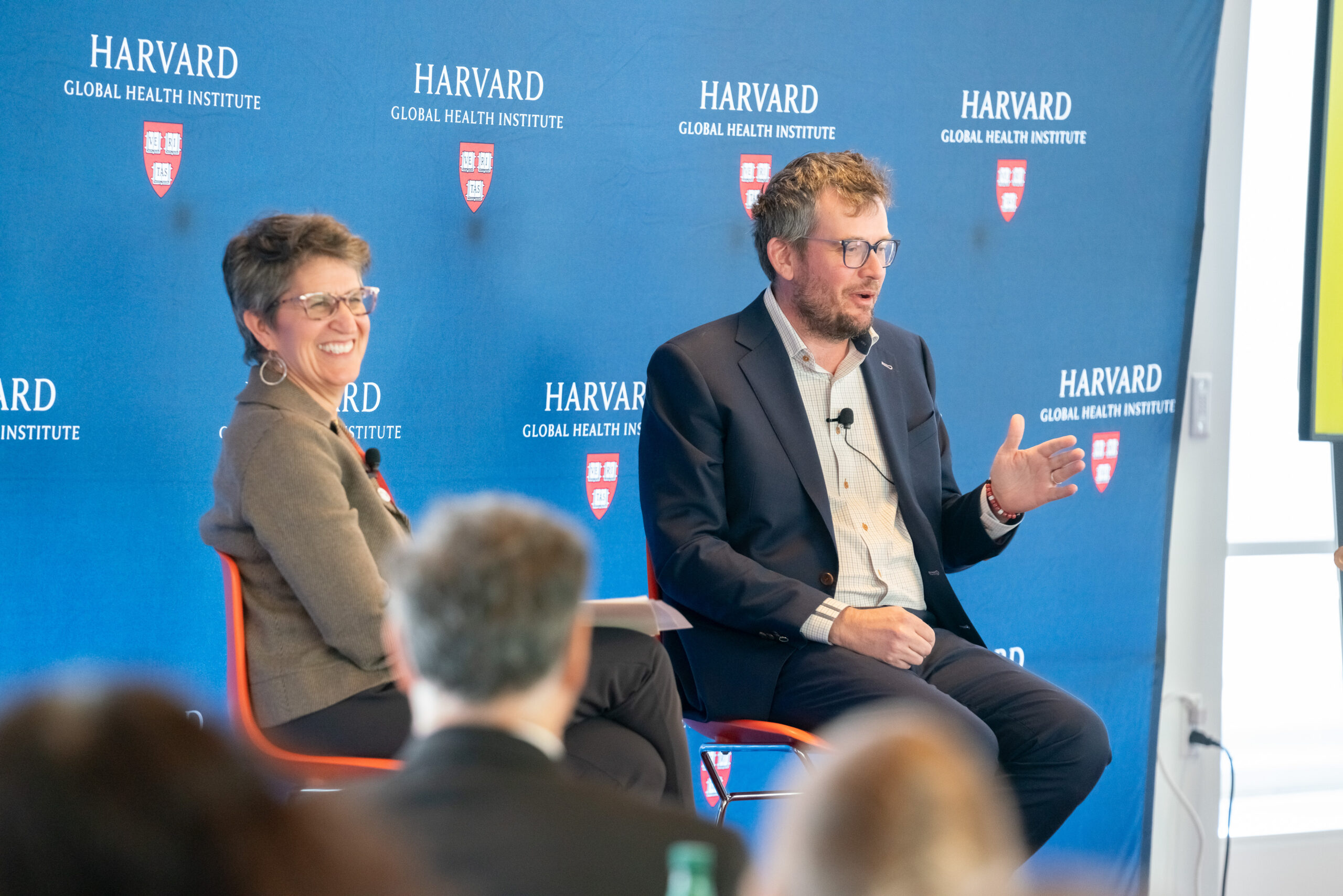
John Green, New York Times bestselling author and philanthropist
Interviewed by Carole Mitnick, ScD, Professor Global Health & Social Medicine, Harvard Medical School; Associate Epidemiologist, Division of Global Health Equity, Brigham and Women’s Hospital
Emily Smith, PhD, Assistant Professor in Emergency Medicine, Assistant Research Professor in Global Health, Duke Global Health Institute
David Lazer, PhD, University Distinguished Professor of Political Science and Computer Sciences, Northeastern University; Co-Director, NULab for Digital Humanities and Computational Social Science
Githinji Gitahi, MBS, Group Chief Executive Officer, Amref Health Africa
Moderated by Matthew Baum, PhD, Marvin Kalb Professor of Global Communications and Professor of Public Policy, Harvard University John F. Kennedy School of Government
A growing trend of distrust in science is happening worldwide, largely fueled by the spread of misinformation and a lack of understanding about the scientific process. What are the underlying causes of this lack of trust among the public, and how has it affected health outcomes and deepened inequalities for populations globally? How is the mistrust seen in the U.S. mirrored in other parts of the world? This session will delve into the complex issue of trust in the broader scientific and global health community. Our esteemed panelists will discuss the skepticism and suspicions surrounding multilateral organizations and vaccine alliances, including the WHO, GAVI, and the CDC. The expert panel will also identify potential roots of this growing mistrust and address the dangers posed by misinformation and the lack of effective fact-checking mechanisms. Together, we will discuss the significant role of non-traditional media and how these platforms influence narratives and shape public perceptions of health issues. Join us as we tackle these critical questions and explore strategies to rebuild public trust and restore confidence in health institutions.
Andrea Baccarelli, MD, PhD, Dean of Faculty, Harvard T.H. Chan School of Public Health
Speakers will share their own perspectives; they do not speak for the university.
For questions, please email HGHI_Programs@harvard.edu. Thank you.

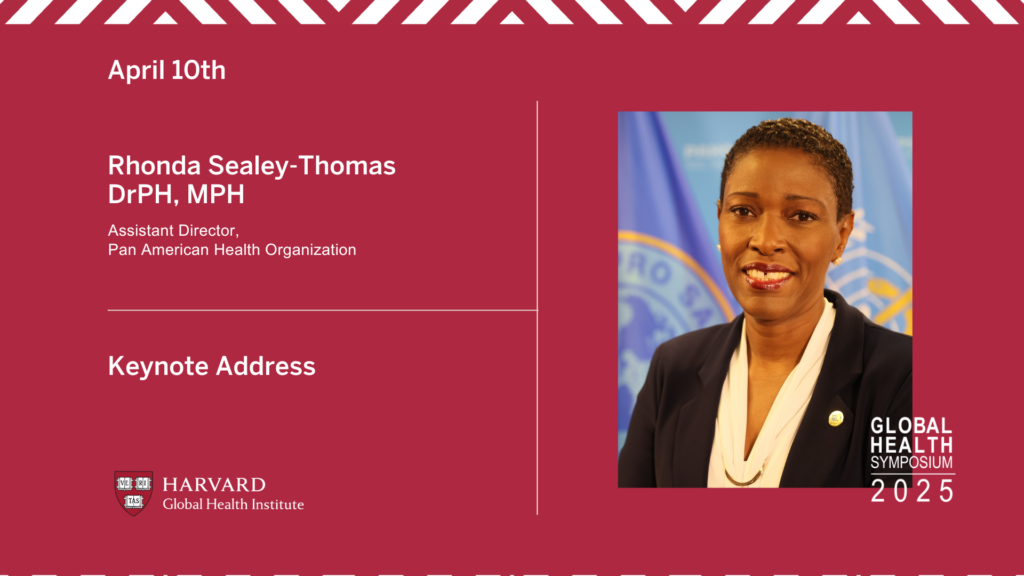


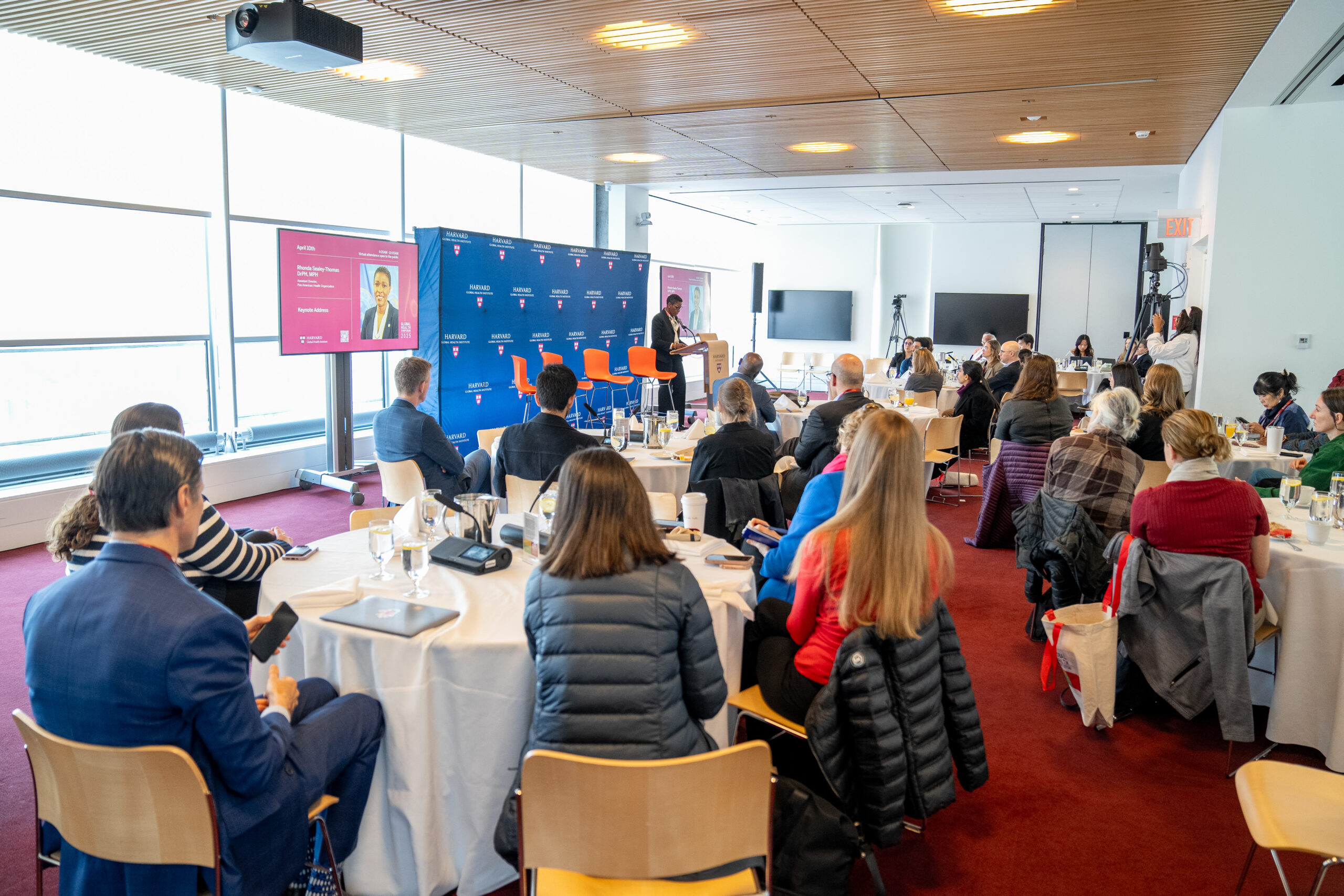
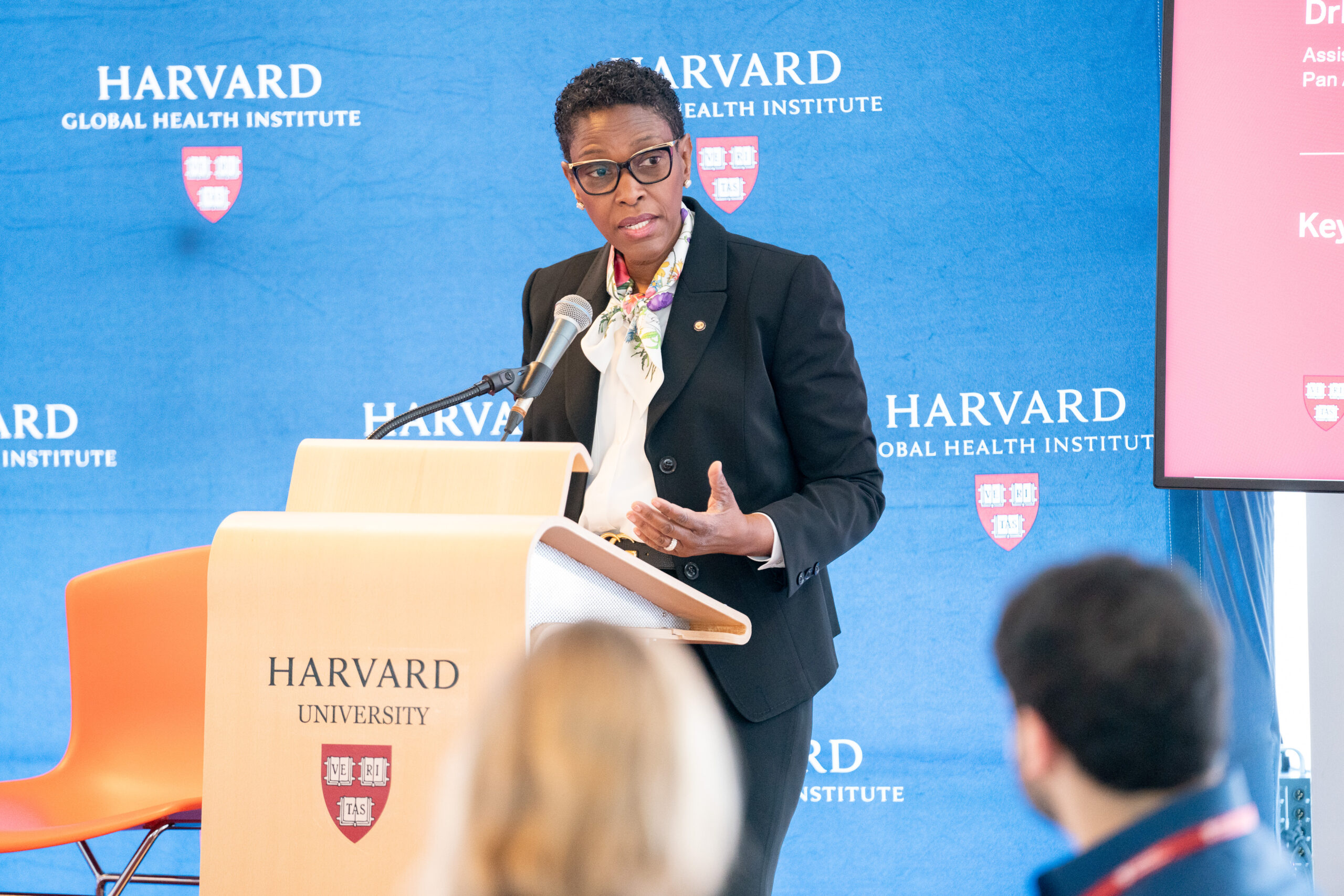
Keynote Speaker, Rhonda Sealey-Thomas, DrPH, MPH, Assistant Director, Pan American Health Organization (PAHO), United Nations


George Daley, MD, PhD, Dean of the Harvard Medical School and the Caroline Shields Walker Professor of Medicine at the Harvard Medical School
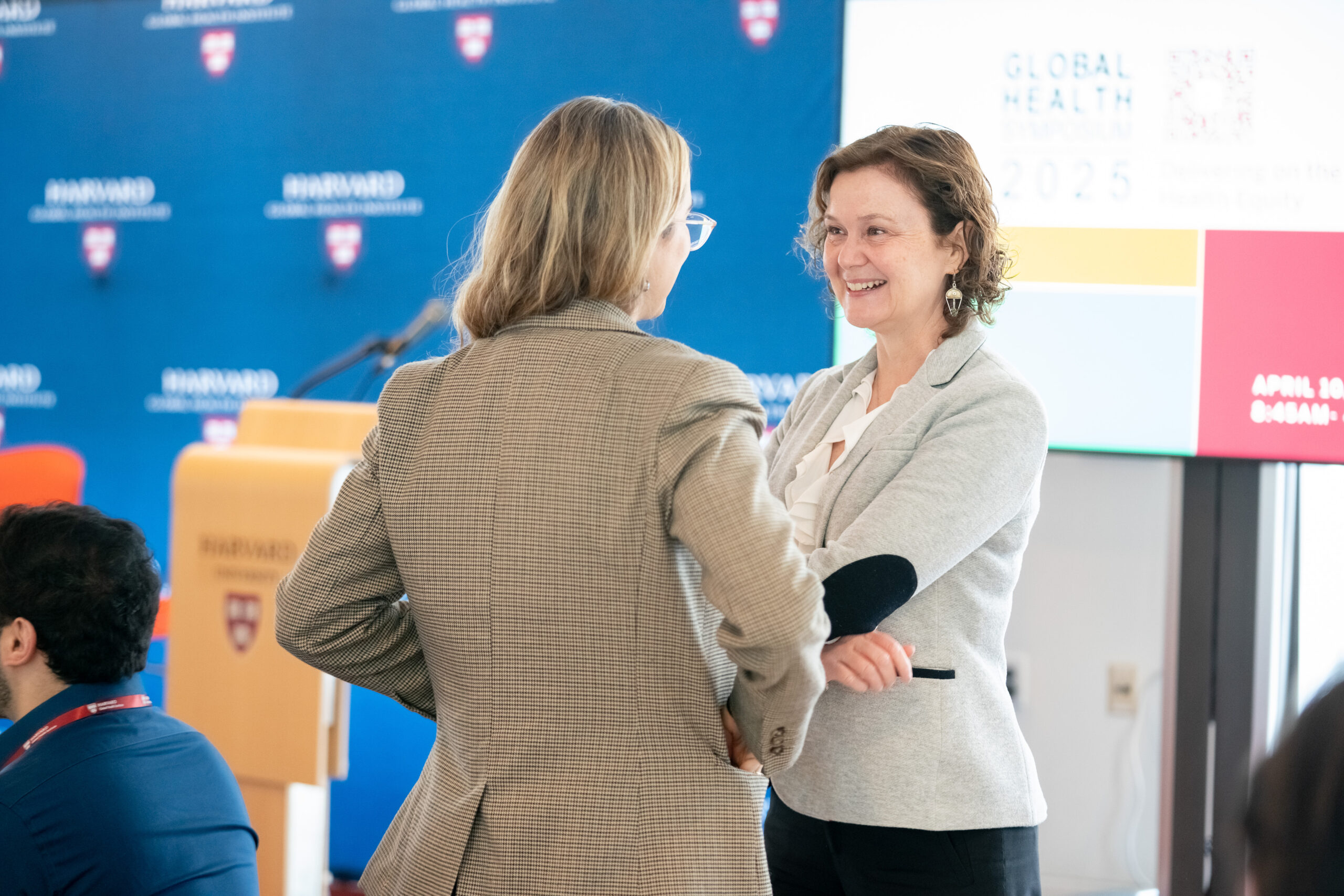




Petra Khoury, PharmD, Global Director of Health and Care, International Federation of Red Cross and Red Crescent


John Green, New York Times bestselling author and philanthropist


John Green, New York Times bestselling author and philanthropist, being interviewed by Carole Mitnick, ScD, Professor Global Health & Social Medicine, Harvard Medical School

Video by WHO Director-General, Dr. Tedros Adhanom Ghebreyesus


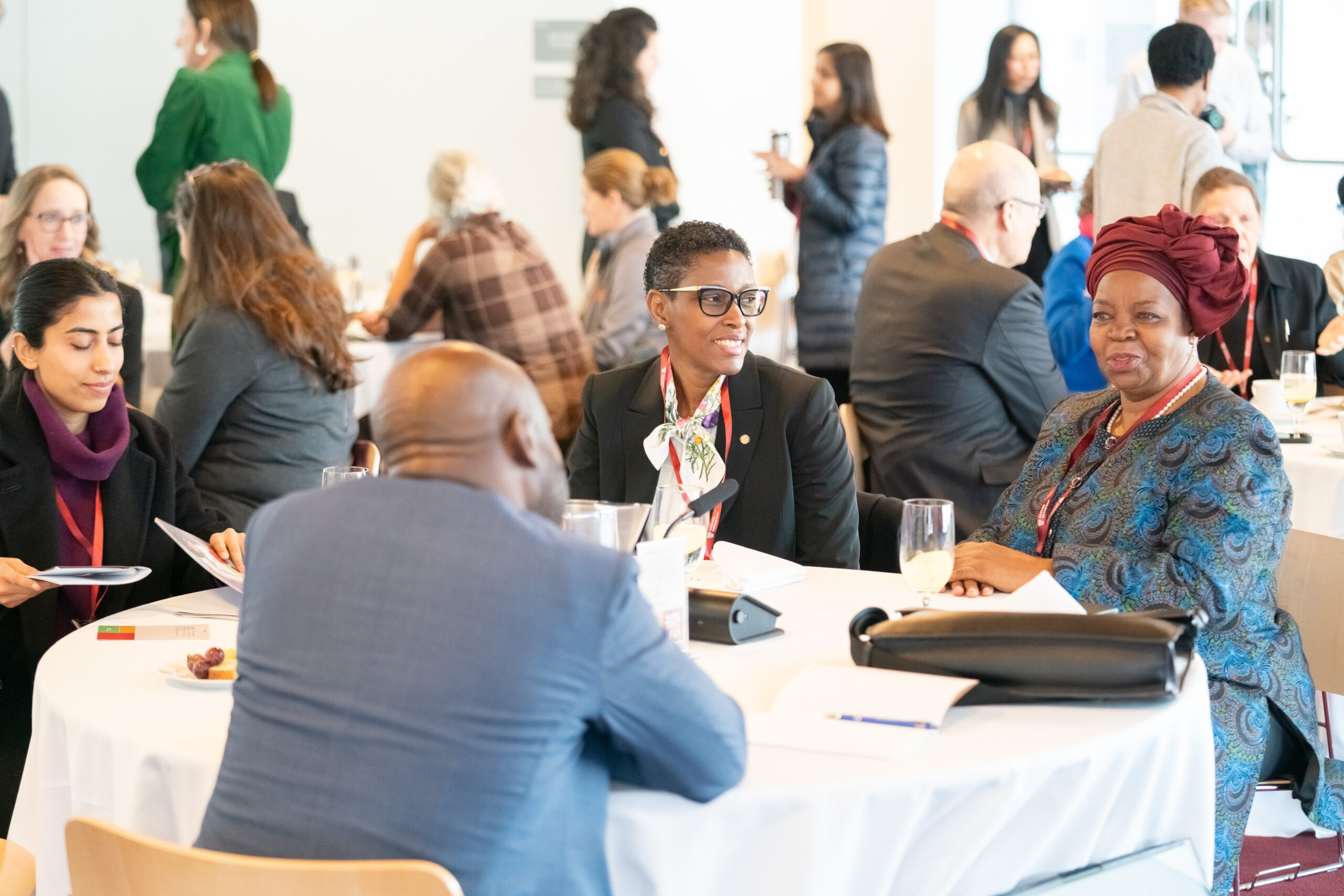
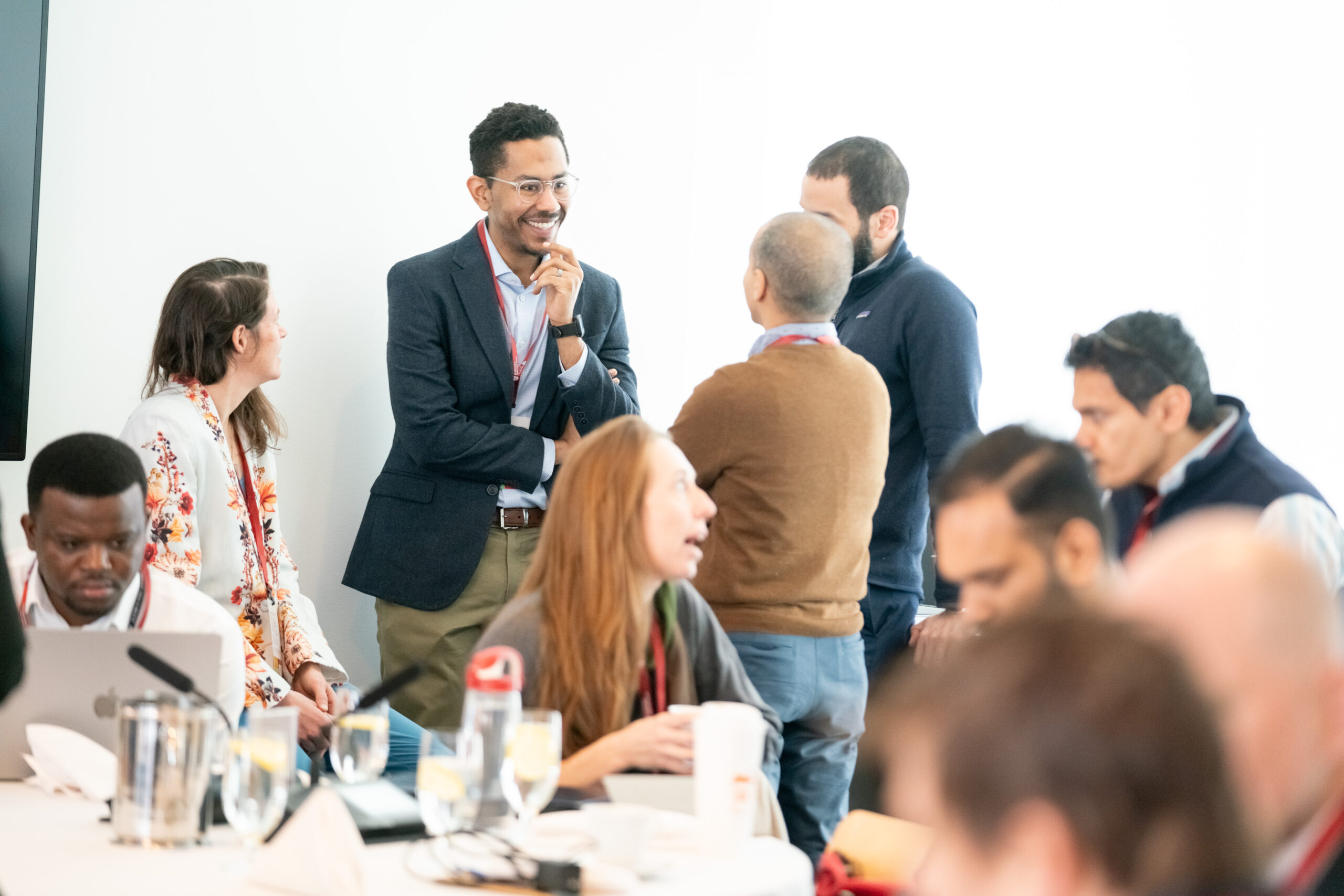
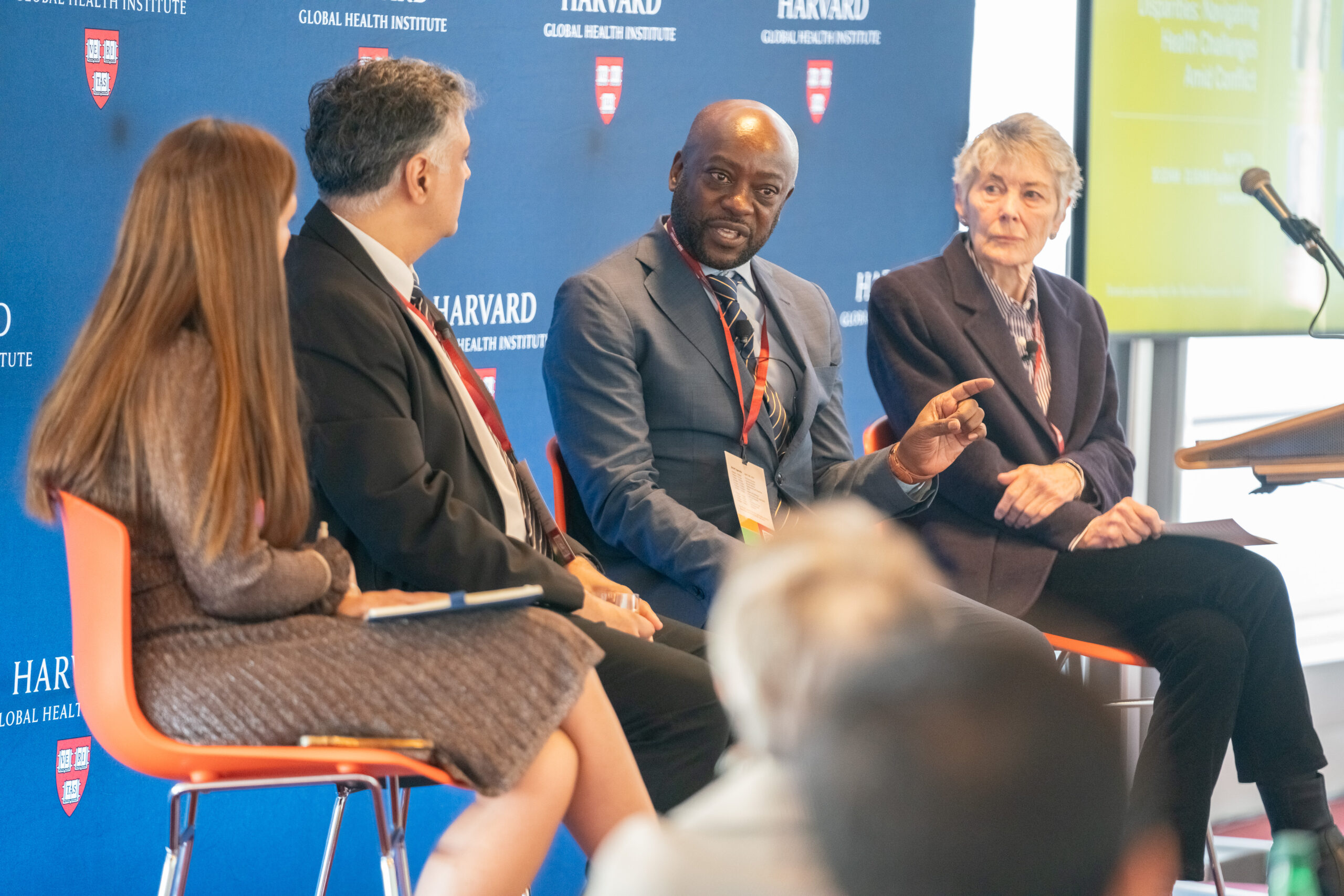
Harvard Global Health Institute 2025 Global Health Symposium 4/10/25. Photo by Bryce Vickmark.

Harvard Global Health Institute 2025 Global Health Symposium 4/10/25. Photo by Bryce Vickmark.

Andrea Baccarelli, MD, PhD, Dean of Faculty, Harvard T.H. Chan School of Public Health

Louise Ivers, MD, MPH, DTM&H, Director, Harvard Global Health Institute

Sheila Tlou, PhD, RN, FAAN., FCAN, Co-Chair, Global HIV Prevention Coalition with Beth Holt, MD, MPH Associate Director of Health Systems, Global Primary Health Care at HMS.