Date: April 16th, 2026
Time: 9:00am – 4:00pm Eastern Time



On April 16, 2026, the Harvard Global Health Institute (HGHI) will host its 4th Annual Global Health Symposium, Global Health Forward: Strength Through Innovation and Collective Action. Convening experts from Harvard and around the world, the symposium will examine the most pressing challenges in global health and explore collective, innovative solutions.
Designed for students, faculty, practitioners, policymakers, and global health leaders, the symposium features a full day of keynote remarks and expert-led discussions addressing critical issues such as global health governance, emergency preparedness, and the global health workforce, highlighting regional and institutional perspectives on sustainable, collaborative solutions.
The 2026 Symposium will feature a keynote address by Dr. Sania Nishtar, CEO of Gavi, the Vaccine Alliance, whose leadership has advanced vaccine equity, strengthened health systems, and fostered global cooperation in health.
Held in a hybrid format and livestreamed worldwide, the event is free and open to the public. In-person attendance is by invitation only.
Date: April 16th, 2026
Time: 9:00am – 4:00pm Eastern Time
Louise Ivers, MD, MPH, DTM&H, Director, Harvard Global Health Institute; Director, Massachusetts General Hospital Center for Global Health; David Bangsberg MD, MPH Endowed Chair in Global Health Equity, Mass General Hospital; Professor of Global Health and Social Medicine, and Professor of Medicine at Harvard Medical School
George Daley, MD, PhD, Dean, Harvard Medical School; Caroline Shields Walker Professor of Medicine, Harvard Medical School
Sania Nishtar, SI, FRCP, PhD, CEO, Gavi, the Vaccine Alliance
hosted in partnership with the Harvard T.H. Chan School of Public Health
Introduced by Ole Norheim, MD, Mary B. Saltonstall Professor of Ethics and Population Health, Harvard T. H. Chan School of Public Health
John-Arne Rottingen, MD, PhD, MSc, MPA, Chief Executive Officer, Wellcome Trust
Kalipso Chalkidou, MD, PhD, Director of the Performance, Financing and Delivery (PFD) Department, World Health Organization
Addis Tamire, MD, MPH, Senior Director of Health System Strengthening, Amref Health Africa
Moderated by Joia Mukherjee, MD, MPH, Chief Medical Officer, Partners In Health; Associate Professor of Global Health and Social Medicine, Harvard Medical School
This session will examine how health priorities should be set when resources are scarce, at a moment of profound strain on global health financing. Against the backdrop of significant cuts in international aid and growing uncertainty in development assistance, hard choices about what to fund, whom to protect, and how to act in solidarity have become unavoidable. The discussion is framed by the Lusaka Agenda, a shared vision developed by major global health actors to better coordinate efforts, strengthen local agenda setting, reduce fragmentation, and ensure that limited resources are used more effectively and equitably. Panelists will reflect on principles of solidarity and global justice, and consider how transparent, evidence-informed decision-making can help governments and global institutions navigate scarcity without abandoning commitments to fairness, inclusion, and the needs of the most vulnerable.
A conversation with Dick Chamla, MD, MPH, Emergency Preparedness Lead, Emergency Hub Coordinator, Nairobi, WHO Africa Regional Office
Interviewed by Louise Ivers, MD, MPH, DTM&H
Across Africa, emergency preparedness is shaped by long-standing efforts to strengthen public health systems, improve coordination, and apply lessons learned from past outbreaks and crises. This discussion will examine the current landscape of preparedness on the continent and explore how the WHO Africa Regional Office is supporting countries to build readiness, enhance surveillance, and strengthen rapid response capacities. It will also consider how regional collaboration, workforce development, and data-driven decision-making contribute to more resilient health systems that can prevent, detect, and manage health emergencies effectively.
hosted in partnership with the Department of Global Health and Social Medicine, Harvard Medical School
Introduced by Joseph Rhatigan, MD, Associate Professor of Medicine, Paul Farmer Chair in Global Health, Brigham and Women’s Hospital; Associate Professor, Department of Global Health and Population, Harvard T.H. Chan School of Public Health; Associate Professor of Global Health and Social Medicine and Director of Curriculum Development for Global Health Delivery Training Programs, Harvard Medical School
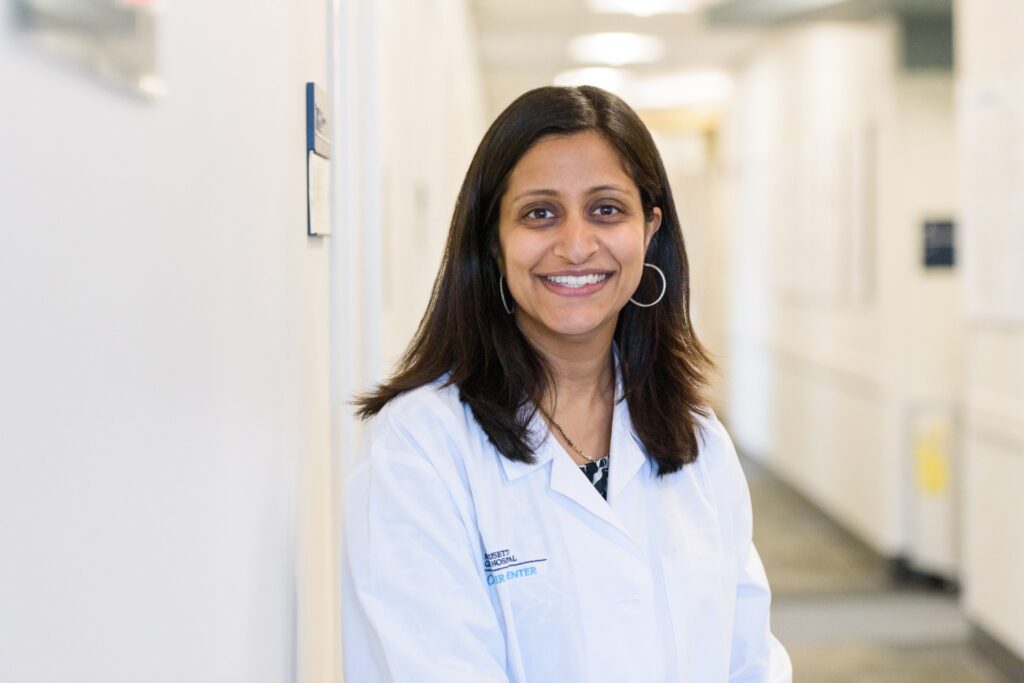
Aparna Parikh, MD, Associate Professor of Medicine, Harvard Medical School; Gastrointestinal Oncologist, MGH Cancer Center; Director, Global Cancer Care Program, Massachusetts General Hospital; Program Director, GI Oncology, Mass General Brigham Cancer Institute
Sriram Shamasunder, MD, DTM&H, Professor of Medicine, University of California San Francisco (UCSF); Co-Founder and Faculty Director, HEAL Initiative
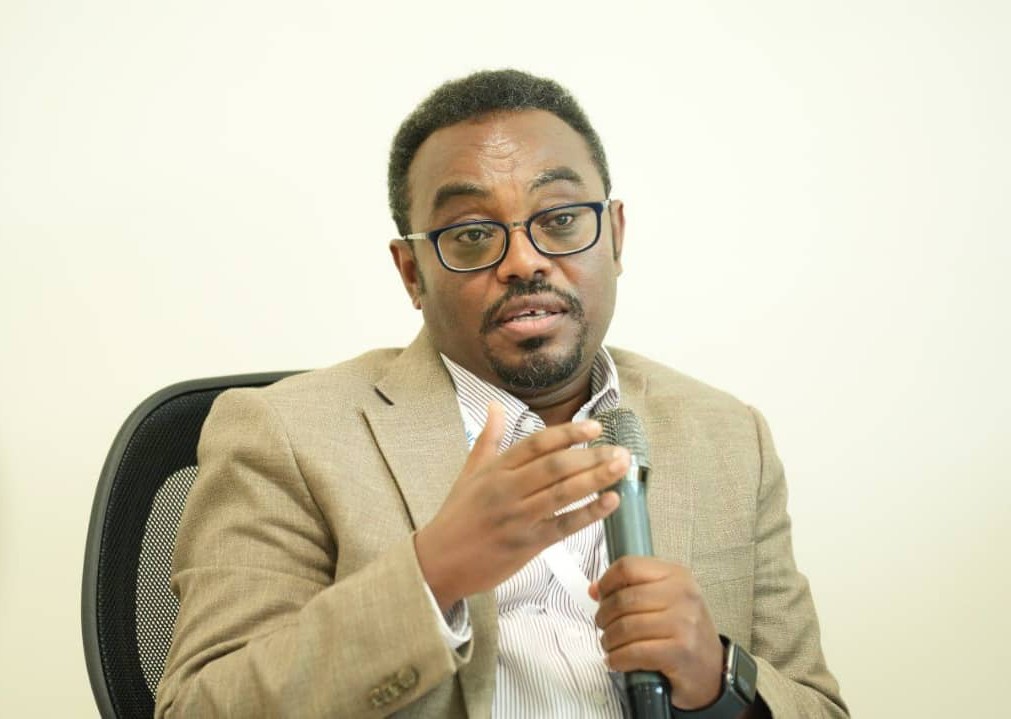
Abebe Bekele, MD, PhD, FCS (ECSA), FACS, FRCS (Ed), MAMSE, Deputy Vice Chancellor of Academic and Research Affairs, Founding Dean, School of Medicine, University of Global Health Equity, Rwanda
Moderated by Ingrid Bassett, MD, MPH, Co-Director, Harvard Center for AIDS Research; Professor of Medicine, Harvard Medical School; Division of Infectious Diseases, Massachusetts General Hospital
Medical education programs and university partnerships can play a central role in addressing persistent healthcare workforce shortages and strengthening health system capacity worldwide. This plenary will examine how collaborative training models, cross-institutional partnerships, and context-responsive education are helping to expand and sustain the health workforce, particularly in low-resource and underserved settings. The discussion will explore lessons from global health and medical education initiatives, highlighting approaches that align training with population needs, support faculty and institutional development, and contribute to more equitable and resilient health systems.
Reading by Evan Wang, Harvard College Class of ‘29, 2025-2026 National Youth Poet Laureate of the United States
hosted in partnership with the Petrie-Flom Center for Health Law, Policy, Biotechnology, and Bioethics, Harvard Law School
Alejandro Gaviria, PhD, Former Minister of Health and Social Protection (2012-2018); Former Minister of National Education (2022-2023), Colombia
Claudia Pescetto, MA, Regional Advisor, Evidence and Information for Health Economics and Financing, PAHO/WHO
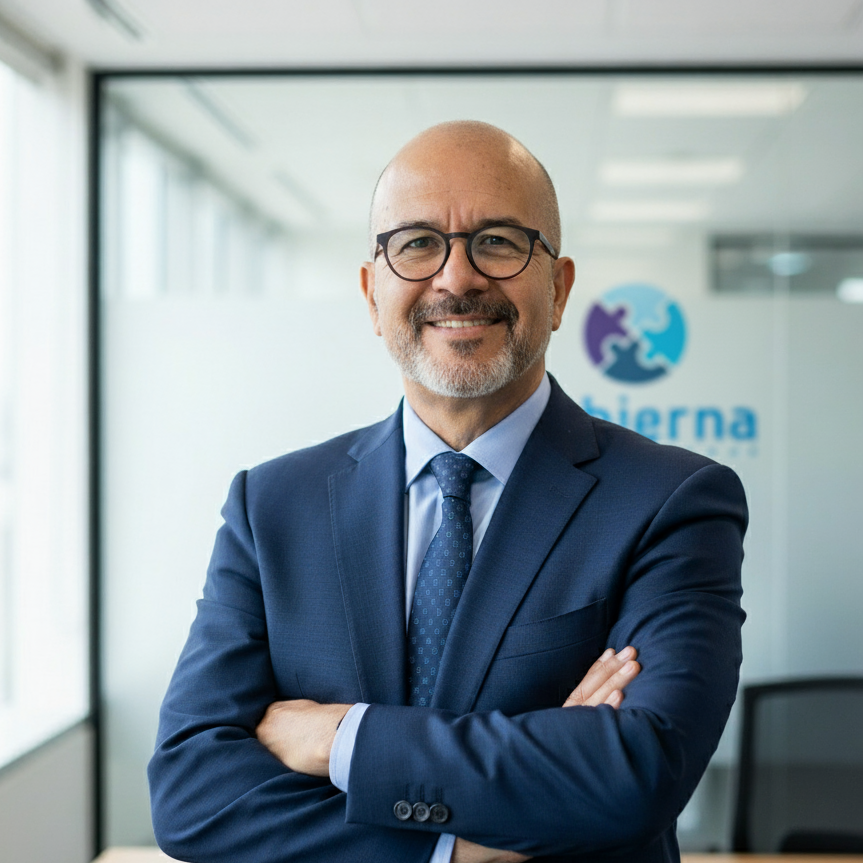
Victor Zamora, MD, MA, Former Minister of Health, Peru; Professor of Health Policy at the School of Government and Public Policy, Pontifical Catholic University of Peru; Executive Director, Gobierna Consultores SAC
Moderated by Alicia Ely Yamin, JD, MPH, PhD, Lecturer on Law and the Senior Fellow on Global Health and Rights, Petrie-Flom Center, Harvard Law School; Adjunct Senior Lecturer on Health Policy and Management, Harvard T.H. Chan School of Public Health
Latin America is an extremely diverse region, but there are some commonalities across countries in terms of socio-economic and other inequalities that deeply impact social determinants of health. Most countries have fragmented health systems that further aggravate inequities and present challenges for achieving Universal Health Coverage (UHC). The COVID-19 pandemic brought many health systems to verge of collapse. The region faces a growing burden of chronic diseases, while governance is affected by regulatory deficits, the absence of systematic priority-setting, and high degrees of judicialization of health rights. Further, multiple countries in the region are moving toward more conservative governments aligned with the Trump administration, and these shifts may directly affect health financing and governance. This session will address some of these themes as well as the role for PAHO at this critical juncture.
Louise Ivers, MD, MPH, DTM&H
Speakers will share their own perspectives; they do not speak for the university.
If any questions arise, please email HGHI_Programs@harvard.edu.