Displacement and Disparities: Navigating Health Challenges Amid Conflict
Panel Description
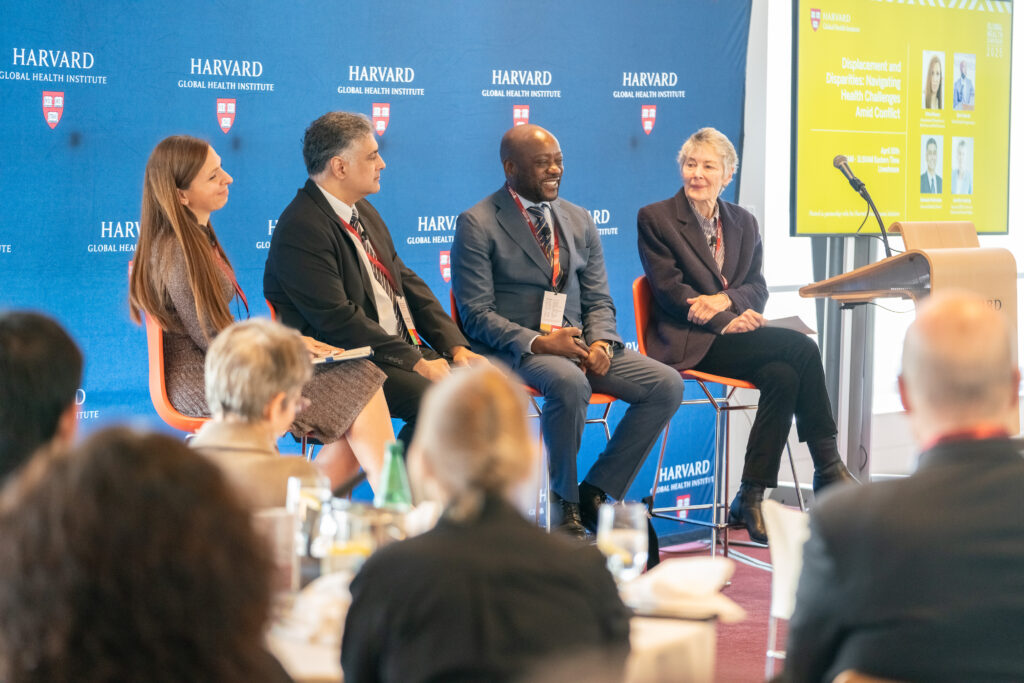
The escalation of global conflict has given rise to an increasingly complex health and humanitarian crisis, with growing migration exacerbating interconnected challenges to human well-being. From the immediate effects of armed conflict to the long-term impacts of post-war recovery, these crises deepen health inequities and place vulnerable populations at even greater risk. The impacts of conflict do not stop at the border, and neighboring countries are receiving a significant influx of displaced populations, further stretching already fragile health systems. This session will explore the critical issues of healthcare access and mass displacement, focusing on the heightened risk of infectious diseases, physical injuries, and mental health challenges. Panelists will share insights on how humanitarian organizations and governments respond to these crises, highlighting strategies for strengthening health systems and security, managing emergencies, and implementing innovative medical interventions.
Key Takeaways
“I wonder if this opens the door to a whole different game, where people can say, “We value the sanctity of life and we just don’t want this many people to die.” And so we have to prioritize HIV medicines, or TB medicines, or diabetes medicines for that matter, or whatever it may be. So I think there’s that glimmer of hope in recasting this order.”
– Salmaan Keshavjee
Speakers
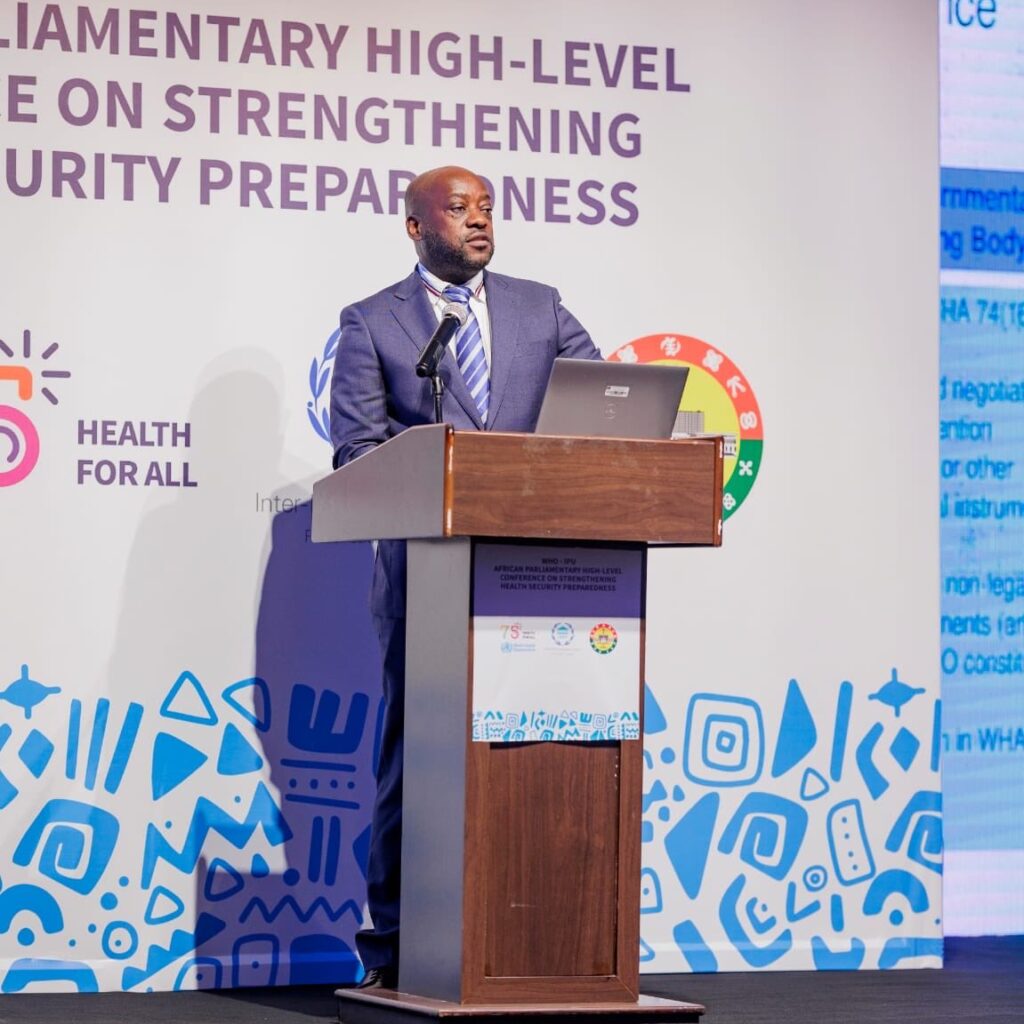
Dick Chamla, MD, MPH
Head, Emergency Preparedness for World Health Organization, Africa Region
Dr. Dick Chamla leads emergency preparedness at WHO AFRO, overseeing investments to strengthen member states’ compliance with International Health Regulations (IHR), the National Action Plan for Health Security (NAPHS), Pandemic Fund, and regional disease elimination strategies. He coordinates risk assessments, pandemic preparedness, and innovations in medical countermeasures. He plays a key role in Africa’s engagement in Pandemic Treaty negotiations, supporting the Africa Group Plus Egypt. With 27 years of experience in development and humanitarian crises across Africa, the Middle East, Latin America, and Asia, he has led responses to major outbreaks, and spearheaded efforts in rebuilding health systems devasted by conflicts and promoting humanitarian-development-peace nexus in countries such as Afghanistan and Yemen. Dr. Chamla champions primary health care and leverages technologies like AI for health security and universal health coverage. Previously, he held leadership roles at UNICEF, WHO Geneva, Red Cross, and Médecins du Monde, consistently driving transformative changes in complex environments.

Petra Khoury, PharmD
Global Director of Health and Care, International Federation of Red Cross and Red Crescent Societies
Dr. Petra Khoury is the Global Director of Health and Care at IFRC headquarters in Geneva. In her current role, she oversees the IFRC operational plan on global health security, health protection and water, sanitation and hygiene (WASH). She works with a network of 191 National Red Cross Red Crescent Societies on health preparedness, readiness and emergency response plans. Prior to this role, she held a public health leadership role serving as Senior Health Adviser to the Prime Minister of Lebanon and led the national COVID-19 response plan as well as chairing the national COVID-19 Vaccination Executive Committee. In this capacity, she developed and executed the operational response and vaccination plan and became the nation’s scientific spokesperson on COVID-19-related matters. She also coordinated the national health disaster plan after the 2020 Beirut explosion on 4 August. Prior to joining the public health sector, Petra was Chief Quality and Compliance Officer and part of the Executive Leadership Team at the American University of Beirut Medical Centre (AUBMC). In this role, she had oversight over quality, safety, risk management, medico-legal matters, Joint Commission accreditations and regulatory compliance. She started her clinical career as a healthcare professional at Massachusetts General Hospital (MGH) covering different patient care services as infectious disease specialist and managed the antimicrobial stewardship programme. Petra holds a doctorate degree in Pharmacy. She completed her residency training at MGH, where she specialized in infectious diseases. She also earned a post-graduate certificate in Quality, Safety, Leadership and Informatics from Harvard Medical School. She is fluent in Arabic, English and French.

Salmaan Keshavjee, MD, PhD, ScM
Director, Harvard Medical School’s Center for Global Health Delivery; Professor of Global Health and Social Medicine, Department of Global Health and Social Medicine, Harvard Medical School; Associate Professor of Medicine, Division of Global Health Equity, Brigham and Women’s Hospital
Salmaan Keshavjee, MD, PhD, ScM, is the Director of Harvard Medical School’s Center for Global Health Delivery and a Professor in the Department of Global Health and Social Medicine. He is also an Associate Professor of Medicine at Brigham and Women’s Hospital. Dr. Keshavjee has led the Center for Global Health Delivery since 2014, focusing on improving healthcare delivery systems and patient outcomes across the UAE, Middle East, North Africa, and surrounding regions, with an emphasis on diabetes, obesity, infectious diseases, mental health, and surgery. With advanced training in medicine and anthropology, Dr. Keshavjee is a leading expert in drug-resistant tuberculosis (TB) and health policy. He is the author of Blind Spot: How Neoliberalism Infiltrated Global Health. Dr. Keshavjee has worked extensively with Partners in Health, focusing on TB treatment and conducting research in Russia since 2000. From 2006 to 2008, he helped launch one of the first community-based programs for multi-drug-resistant TB and HIV co-infection in Lesotho. His research has resulted in significant clinical and policy changes in TB and MDR-TB treatment. Dr. Keshavjee has served as a member and later Chair of the WHO Green Light Committee for MDR-TB. He has contributed to creating alternative drug procurement and implementation mechanisms and co-authored a U.S. Institute of Medicine white paper on expanding MDR-TB treatment. He also leads a major initiative at Harvard Medical School aimed at achieving zero deaths from TB, including his work on the Zero TB Cities Initiative in collaboration with global partners.
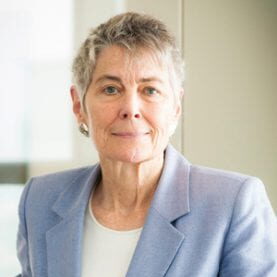
Jennifer Leaning, MD, SMH
Senior Research Fellow, Harvard FXB Center for Health and Human Rights; Professor of the Practice of Health and Human Rights, retired; Harvard T.H. Chan School of Public Health
Jennifer Leaning, MD, SMH is a senior fellow at the Harvard FXB Center and a retired Professor of Health and Human Rights at the Harvard T.H. Chan School of Public Health. She is a faculty member in the Department of Emergency Medicine at Brigham and Women’s Hospital. Dr. Leaning previously served as director of the Harvard FXB Center (2010-2018) and co-directed the Harvard Humanitarian Initiative. She has extensive field experience in crisis situations globally, including the Middle East, Afghanistan, and Somalia, and her research focuses on public health, international law, and responses to war, disaster, and mass atrocities. She has published widely, advised US and UN agencies, and served on the boards of organizations such as Physicians for Human Rights and Oxfam America. Currently, she serves on the Board of the Norwegian Refugee Council USA and the American Red Cross, Massachusetts Region. She is the author of many academic articles, and has co-edited two books, including Humanitarian Crises: The Medical and Public Health Response (Harvard University Press, 1999). Dr. Leaning earned an AB from Radcliffe College, an MSc from the Harvard School of Public Health, and an MD from the University of Chicago Pritzker School of Medicine. She was trained in internal medicine at Massachusetts General Hospital and is board certified in both emergency and internal medicine. The escalation of global conflict has given rise to an increasingly complex health and humanitarian crisis, with growing migration exacerbating interconnected challenges to human well-being. From the immediate effects of armed conflict to the long-term impacts of post-war recovery, these crises deepen health inequities and place vulnerable populations at even greater risk. The impacts of conflict do not stop at the border, and neighboring countries are receiving a significant influx of displaced populations, further stretching already fragile health systems. This session will explore the critical issues of healthcare access and mass displacement, focusing on the heightened risk of infectious diseases, physical injuries, and mental health challenges. Panelists will share insights on how humanitarian organizations and governments respond to these crises, highlighting strategies for strengthening health systems and security, managing emergencies, and implementing innovative medical interventions