April 16th, 2026
Global Health Forward: Strength Through Innovation and Collective Action

From Risk to Resilience: Emergency Preparedness in Africa

Key Takeaways

  • Effective emergency response depends on the same foundational elements as strong health systems, including primary health care, workforce capacity, and surveillance infrastructure. Linking preparedness to primary health care investment and mechanisms such as the Pandemic Fund was highlighted as a key opportunity for building more resilient and responsive systems.
  • Data-driven decision-making and digital tools are becoming central to modern preparedness strategies. Platforms such as the Preparedness Data Exchange (PDX) illustrate how integrating fragmented data sources, ranging from outbreak intelligence to climate and political risk indicators, can support real-time decision-making. The use of AI tools was presented as a way to reduce delays between data collection and action, enabling ministries of health to respond more independently and rapidly.
  • African ownership is essential for sustainable preparedness systems. Strengthening readiness requires domestic investment, integration of community health workers, training within local institutions, and leadership in defining priorities. Collaboration with external partners is most effective when it is structured as mutual exchange, with African data, needs, and priorities shaping the design of tools, technologies, and financing mechanisms.
  • Preparedness must be understood as a shared, cross-sectoral responsibility across human, animal, and environmental health systems. The scale and frequency of emergencies in the region highlight the need for integrated approaches, often described as “One Health”, that bridge disciplines and institutions. Building resilience therefore depends not only on technical capacity, but also on coordination, trust, and long-term political commitment to prevention rather than response.
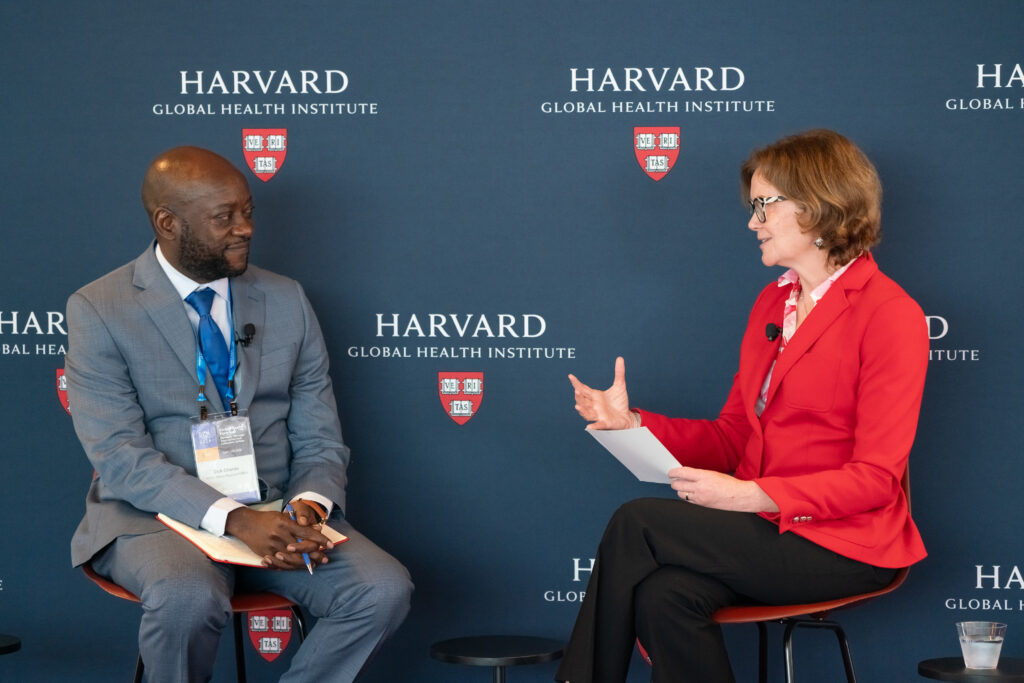
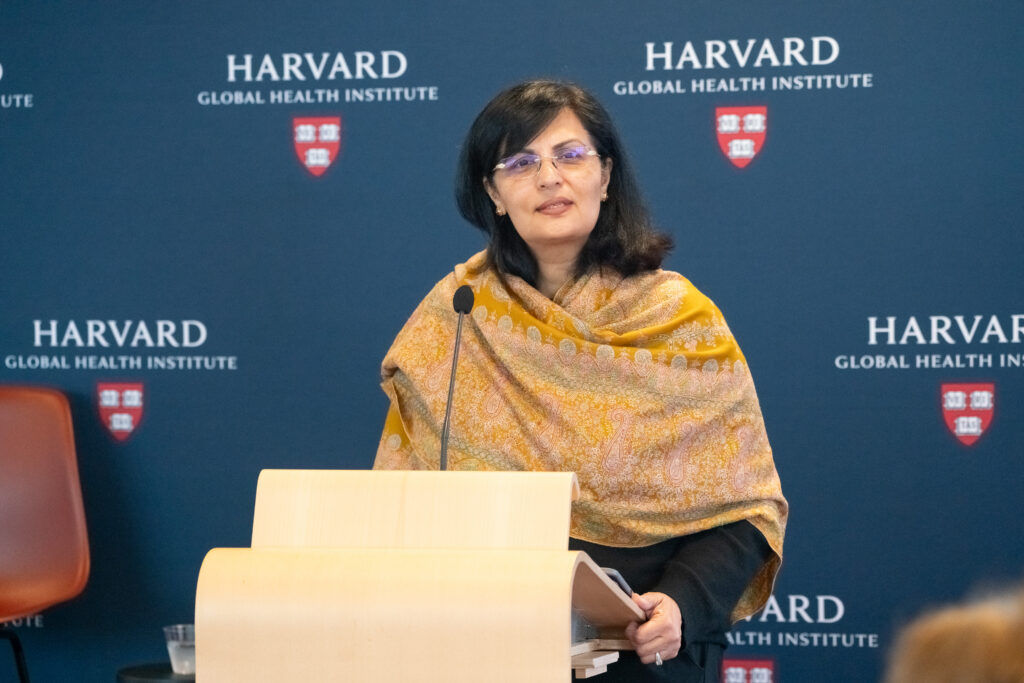
Dick Chamla and Louise Ivers at the fireside chat, From Risk to Resilience: Emergency Preparedness in Africa

“You wouldn’t have strong preparedness if you do not have a stronger health system. In order to strengthen preparedness, it implies you have to have a long‑term investment.”

– Dick Chamla

Resources

Speaker Details

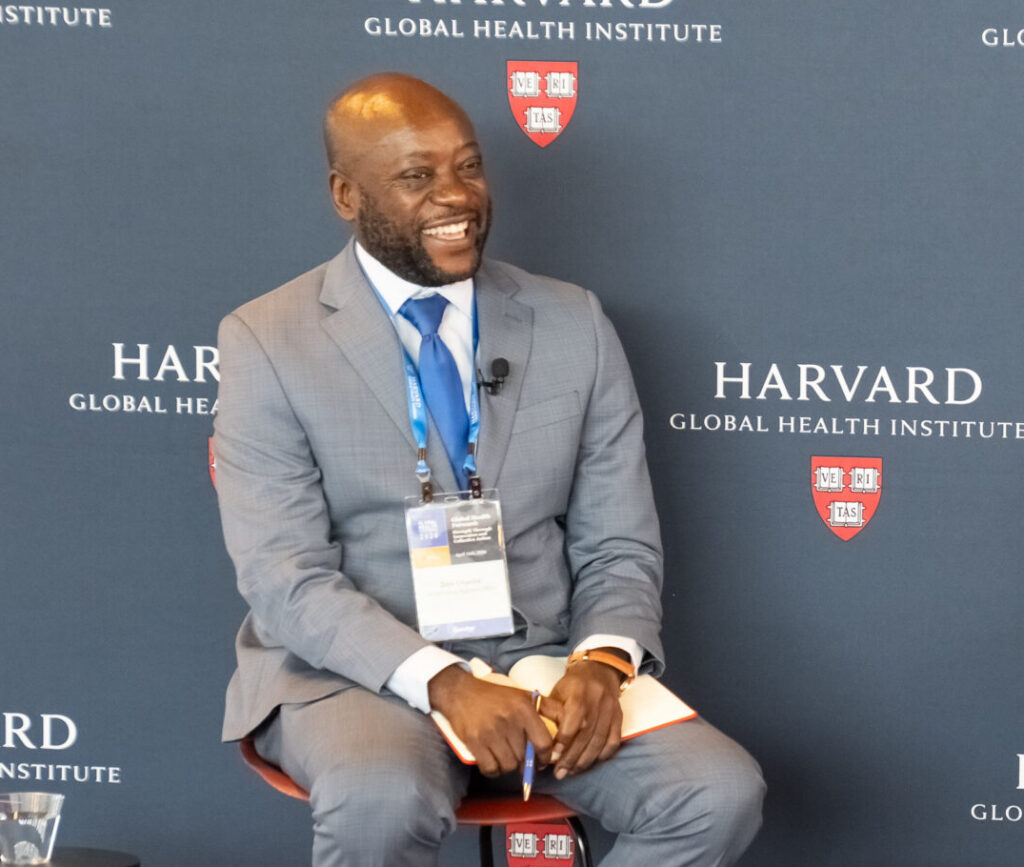
Photo of Dick Chamla at the 2026 Global Health Symposium

Dick Chamla, MD, MPH

Emergency Preparedness Lead, Emergency Hub Coordinator, Nairobi, WHO Africa Regional Office

Dr. Dick Chamla leads the Emergency Preparedness portfolio and coordinates the Emergency Hub in the WHO AFRO region, managing investments and strengthening capacities among member states for the implementation of and compliance with the International Health Regulations (IHR). He also provides oversight to the teams responsible for predicting the risk of high-threat pathogens, assessing countries’ readiness capacities, researching innovations for medical countermeasures, and implementing regional frameworks for the elimination of cholera, yellow fever, and meningitis. He is currently leading WHO AFRO engagement in the Pandemic Treaty negotiations under the Inter-governmental Negotiation Body (INB), providing strategic support to the Africa Group and Egypt. Dr. Chamla is highly experienced in both development and complex emergencies, with a career dating back 27 years. He started with the Red Cross refugee program in western Tanzaniaand has worked in conflict-affected northern Uganda, Nigeria, Yemen, Somaliaand Afghanistan. More recently, he led the WHO response to the largest cholera outbreak in Malawi and the Marburg outbreak in Tanzania. His expertise in health systems and recovery is anchored in advancing primary health care and optimizing opportunities presented by technologies such aArtificial Intelligence to achieve health security and universal health coverage (UHC). Prior to his current role at WHO AFRO, Dr. Chamla has run large health programs at UNICEF in New York and Afghanistan, WHO in Geneva, Ugandaand IST/Harare, Medecins du Monde in China, New South Wales Health in Australiaand the Red Cross in Tanzania. 

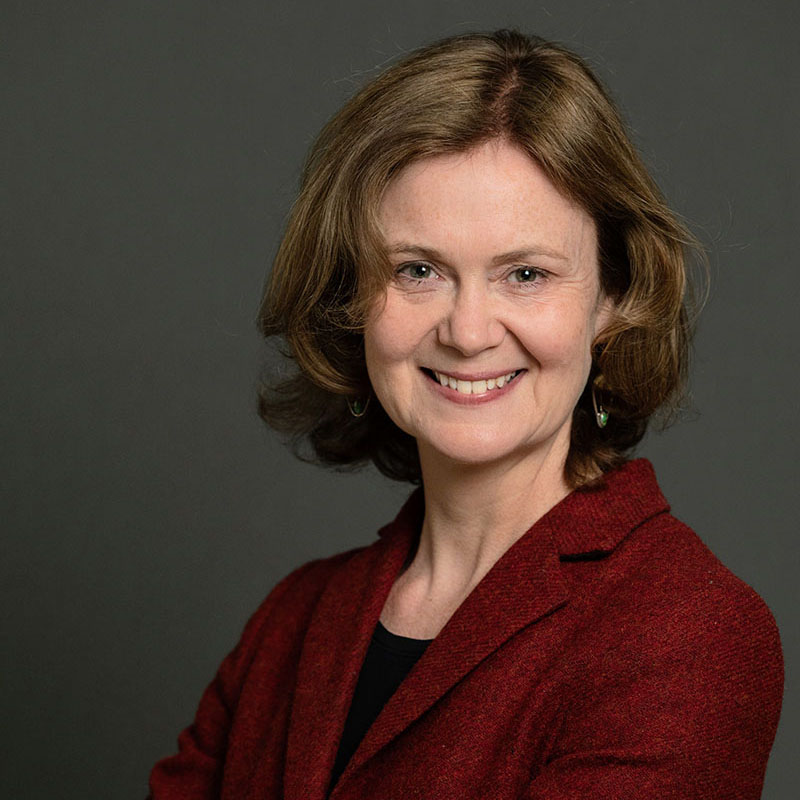
Louise Ivers Profile Picture

Louise Ivers, MD, MPH, DTM&H

Director, Harvard Global Health Institute; Director, Massachusetts General Hospital Center for Global Health; David Bangsberg MD, MPH Endowed Chair in Global Health Equity, Mass General Hospital; Professor of Global Health and Social Medicine, and Professor of Medicine at Harvard Medical School

Dr. Louise C. Ivers, MD, MPH, DTM&H is the Faculty Director of the Harvard Global Health Institute (HGHI) and the Executive Director of the Massachusetts General Hospital (MGH) Center for Global Health. Dr. Ivers is also the David Bangsberg Endowed Chair in Global Health Equity at MGH and a Professor of Medicine and Professor of Global Health and Social Medicine at Harvard Medical School.

Dr. Ivers has spent her career providing care to the rural and urban poor and engaging in patient-oriented investigation that offer solutions to barriers to healthcare. She works on the design, implementation, and evaluation of large-scale public health programs in resource-limited settings with the goal of achieving health equity. She has worked on healthcare delivery in India, Southeast Asia, and Africa. From 2003-2017, Dr. Ivers served in various leadership roles for Partners in Health, including Clinical Director, Chief of mission, and Director of strategic implementation. In addition to expanding access to healthcare for the poor, Dr. Ivers has contributed to published research articles on HIV/AIDS, food insecurity, and cholera treatment and prevention and is involved in global policy and advocacy.