April 16th, 2026
Global Health Forward: Strength Through Innovation and Collective Action

Training Tomorrow’s Health Workforce: The Role of Academic Partnerships in Health Systems Strengthening

Panel Description

Hosted in partnership with the Department of Global Health and Social Medicine, Harvard Medical School.

Medical education programs and university partnerships can play a central role in addressing persistent healthcare workforce shortages and strengthening health system capacity worldwide. This plenary examined how collaborative training models, cross-institutional partnerships, and context-responsive education are helping to expand and sustain the health workforce, particularly in low-resource and underserved settings.

Key Takeaways

  • The global health workforce crisis is structural, not a shortage of training alone. Expanding the workforce requires rethinking how and where health professionals are trained, not simply increasing numbers.
  • Training must be locally grounded and context-responsive. Education models are most effective when designed around local disease burdens, health systems, and community needs, rather than imported from high-income settings.
  • Strong partnerships are built on shared vision and mutual accountability. Sustainable academic collaborations depend on trust, alignment on health equity goals, and long-term, non-transactional engagement.
  • Retention depends on addressing root causes of workforce migration. Health workers leave due to limited professional growth, weak systems, and lack of support, not just higher salaries elsewhere, requiring more holistic retention strategies.
  • Communities of practice are essential to sustaining the workforce. Peer networks, mentorship, and cohort-based models foster belonging, resilience, and long-term commitment, often proving as valuable as formal training itself
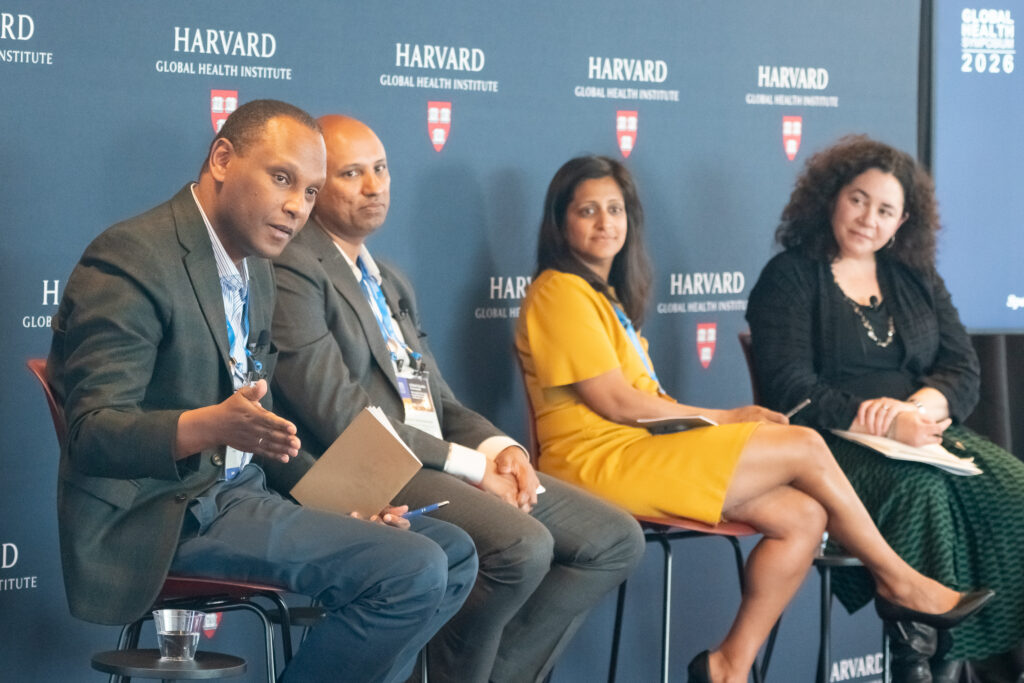
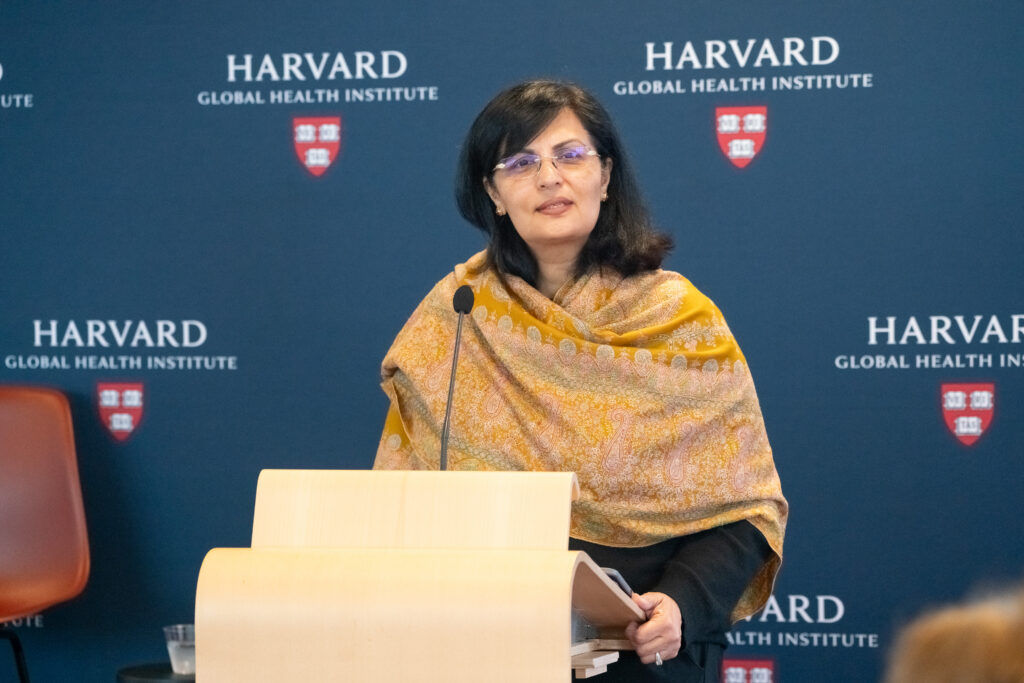
Speakers at the panel "Training Tomorrow’s Health Workforce: The Role of Academic Partnerships in Health Systems Strengthening"

“You can’t partner with a group or an individual you don’t share a vision with. It’s not about doing this job and then part ways. It’s a journey. It’s a long‑term journey.”

Abebe Bekeleu

Resources

Speaker Details

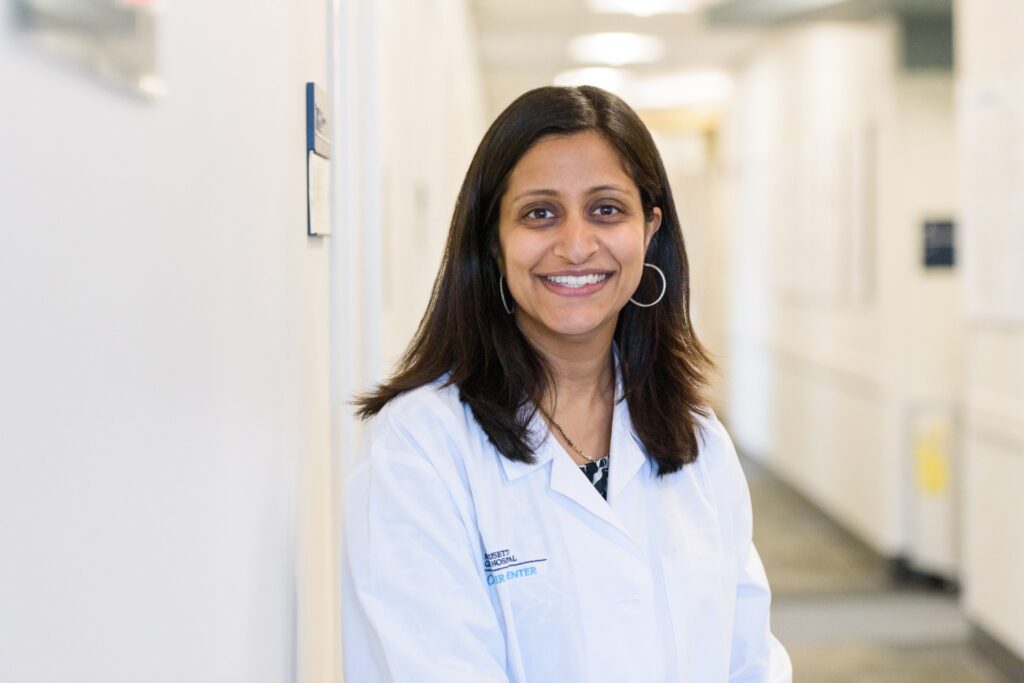
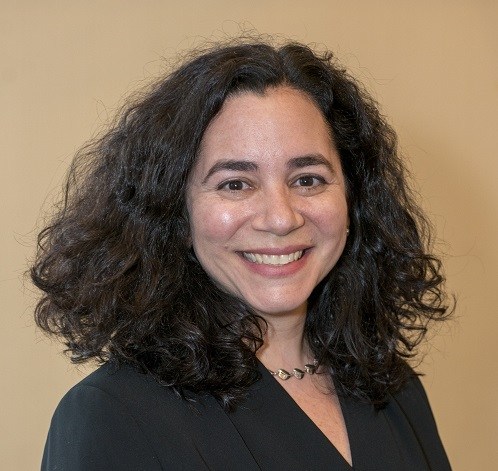
Aparna P. HEADSHOT

Aparna Parikh, MD

Associate Professor of Medicine, Harvard Medical School; Gastrointestinal Oncologist, MGH Cancer Center; Director, Global Cancer Care Program, Massachusetts General Hospital; Program Director, GI Oncology, Mass General Brigham Cancer Institute

Dr. Aparna Parikh is aAssociate Professor of Medicine at Harvard Medical School and a gastrointestinal oncologist at the MGH Cancer Center. She leads the Colorectal Medical Oncology Research and Young Adults Colorectal Cancer programs and is internationally renowned for her expertise on gastrointestinal cancers and work in liquid biopsy and ctDNA. She is the co‑founder and CEO/Chief Scientist of Reversing Early Recurrence and serves as Director of the MGH Global Cancer Care Program, and Co-Director of the GI Cancer Prograat the MGB Cancer Institute. Dr. Parikh is a respected clinician, researcher and advocate for equitable cancer care worldwide. 

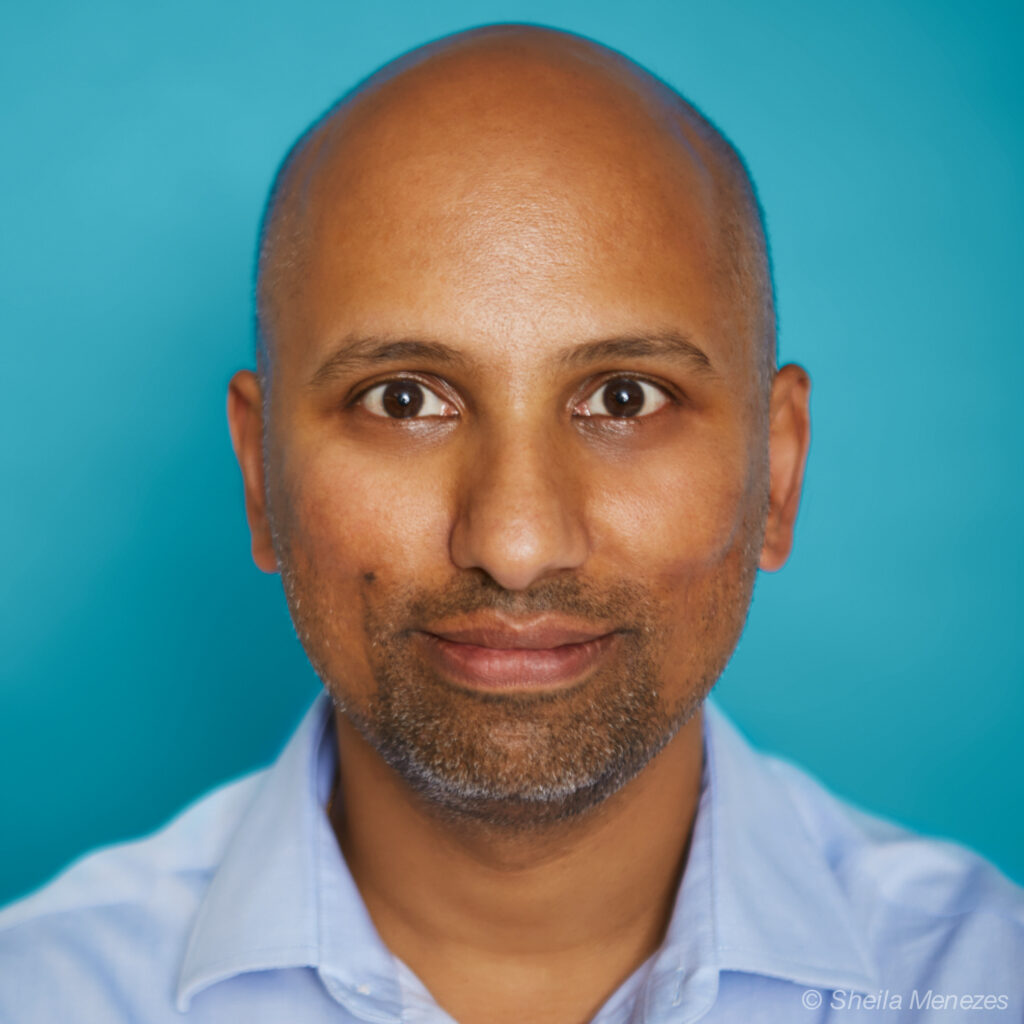
Sriram_ShamasunderPortrait_WEB_WM_SQUARE (1)

Sriram Shamasunder, MD, DTM&H

Professor of Medicine, University of California San Francisco (UCSF); Co-Founder and Faculty Director, HEAL Initiative

Dr. SriraShamasunder is a Professor of Medicine at UCSF, and co-founder and faculty director of the HEAL Initiative, a health workforce strengthening fellowship working in Navajo Nation and 9 countries around the world. Over the last nine years, HEAL has grown to include over 270 fellows, half of whom are Native American or from low- and middle-income countries (LMICs). Dr. Shamasunder was named the Young Physician of the Year in 2010 by the Northern California Chapter of the American College of Physicians and was named aAsia21 Fellow by the Asia Society in 2012, a Fulbright-Nehru Scholar to India in 2012, and a Draper Richards Kaplan Entrepreneur in 2016. He waan Emerson Dial Fellow in 2021 and received the UCSF Chancellor’s Edison T. Uno Award for Public Service in 2023. Sri is a published poet who studied and taught with June Jordan’s Poetry for the People while at UC Berkeley. Dr. Shamasunder is interested in the role of solidarity in elevating untold stories and advancing health equity. In 2016, he gave a Berkeley TEDx talk entitled “Whose Suffering Matters Less, and Why?”

Abebe Bekele Headshot

Abebe Bekele, MD, PhD, FCS (ECSA), FACS, FRCS (Ed), MAMSE

Deputy Vice Chancellor of Academic and Research Affairs, Founding Dean, School of Medicine, University of Global Health Equity, Rwanda

Abebe Bekele, MD, PhD, FCS (ECSA), FACS, FRCS(Ed), MAMSE, is Deputy Vice Chancellor of Academic and Research Affairs and founding Deaof the School of Medicine at the University of Global Health Equity (UGHE) in Rwanda. He has served as the CEO of the Black Lion Teaching Hospitaand Dean of the School of Medicine aAddis Ababa University in Ethiopia. He is a Full Professor of Surgery (Generaand Thoracic Surgery), and holds full professorial faculty positions at UGHE, Addis Ababa University, and the University of Rwandaas well aa professorship in global health at Duke University in the USA. He has over 26 years of experience in medicaand surgical education, and he is a fellow of both the EthiopiaAcademy of Sciences and the Academy of Master Surgical Educators of the American College of Surgeons. Professor Abebe is the Secretary General of the College of Surgeons of East Centraand Southern Africa (COSECSA). He is the Editor-in-Chief of the East and CentraAfrica Journal of Surgery and sits on the editorial board of the JAMA Health Forum, BMC Medical Education, and the Ethiopian Medical Journal. He is also the founder and the secretary-general of the Consortium of Medical Schools of Africa (COMSA). Professor Abebe is actively engaged in Global Safe Surgery and has served aa senior advisor to the Federal Ministry of Health, Ethiopia, in the Saving Lives Through Safe Surgery initiative. He is the founder and current chairman of the PaAfrican Surgical HealthCare Forum (PASHeF). His research interests include trauma, surgical oncology, equity in global surgery, and education. 

Ingrid Bassett Headshot

Ingrid Bassett, MD, MPH

Co-Director, Harvard Center for AIDS Research; Professor of Medicine, Harvard Medical School; Division of Infectious Diseases, Massachusetts General Hospital

Dr. Ingrid V. Bassett is a Professor of Medicine at Harvard Medical School and an Infectious Disease physiciaat Massachusetts General Hospital. She has over 20 years of experience leading clinical research in South Africa with the goal of improving HIV care and prevention for people living at the center of the global HIV epidemic. She is the Co-Director of the Harvard University Center for AIDS Research, which provides research, training, and educational opportunities for early-stage investigators. She is also the recipient of an NIH K24 award that supports her role aa research mentor; she has mentored >30 US- and Africa-based investigators. Dr. Bassett graduated from Harvard Medical School and waan Internal Medicine Resident and Chief Medical Resident at Brighaand Women’s Hospital before training in Infectious Disease at the joint Massachusetts General Hospital/Brighaand Women’s Hospital program. She also earned an MPH from the Harvard T.H. Chan School of Public Health. Dr. Bassett was the winner of the 2015 HIV Medicine Association Research Award.